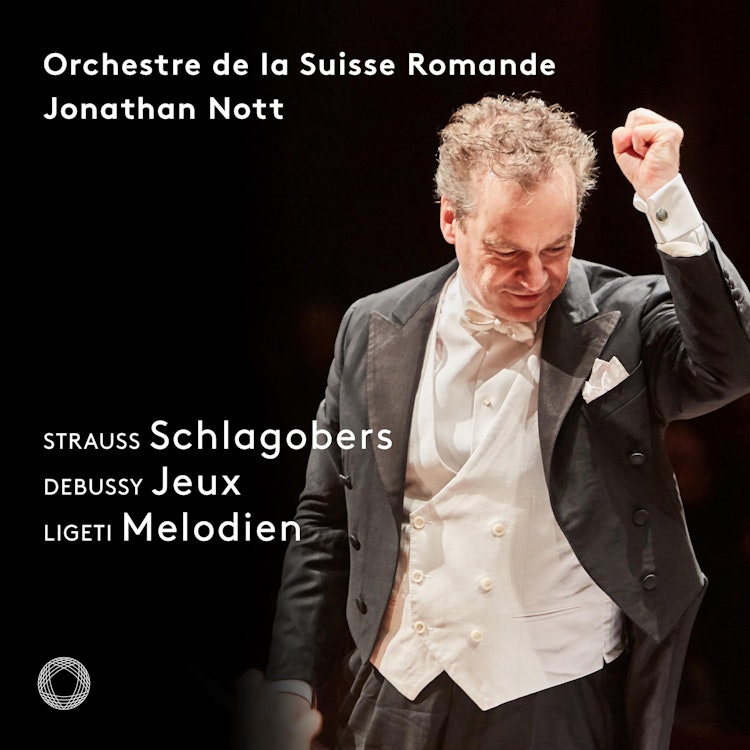
The Orchestre de la Suisse Romande, founded in 1918 by Ernest Ansermet, is known for its historical recordings and its interpretations of 20th-century French and Russian repertoire.
Composer's Artistic Vision
Claude Debussy initially rejected the scenario for his ballet "Jeux" as 'idiotic,' finding the plot trivial despite its underlying homoerotic fantasy conceived by Sergei Diaghilev.
Recording & Production
This album was recorded in June 2018 at the Victoria Hall in Geneva, with Erdo Groot as the recording producer, balance engineer, and editor.
Compositional Technique
György Ligeti's "Melodien" was inspired by Gustav Klimt's mosaics and Pieter Brueghel's 'Series of the Months,' and features ascending streams of chromatic scales that are 'combed through' to remove certain pitches.
Composition History
Debussy composed his work "Jeux" in an unusually short time, completing it within a single month in 1912, following a commission from Sergei Diaghilev's Ballet Russes.
Performer Biography
Jonathan Nott, the conductor on this album, has held chief conductor positions with the Lucerne Symphony Orchestra, Ensemble intercontemporain, and Bamberg Symphony Orchestra, and is currently Music Director of the Tokyo Symphony Orchestra and Music and Artistic Director of the Orchestre de la Suisse Romande.
Critical Reception
Richard Strauss's ballet "Schlagobers" was heavily criticized by Viennese critics at its premiere in 1924, which affected the composer, though Romain Rolland found the music 'highly agreeable'.
You might also enjoy...
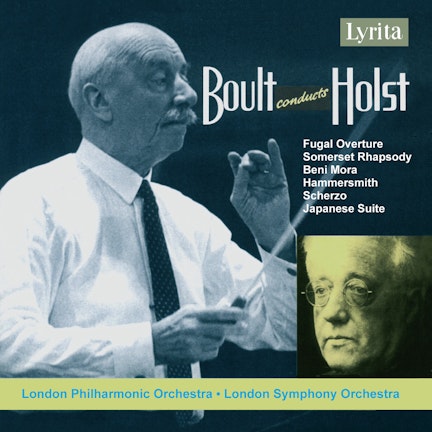
Boult Conducts Holst
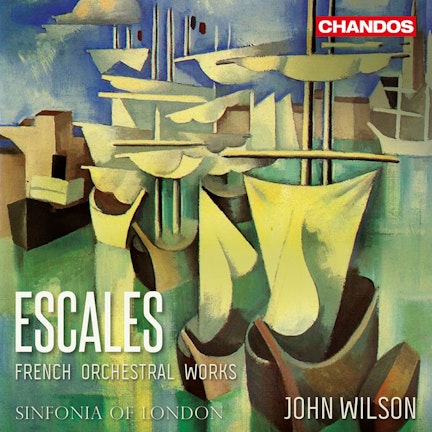
Escales: French Orchestral Works
Pierre Boulez in Moscow (Live)
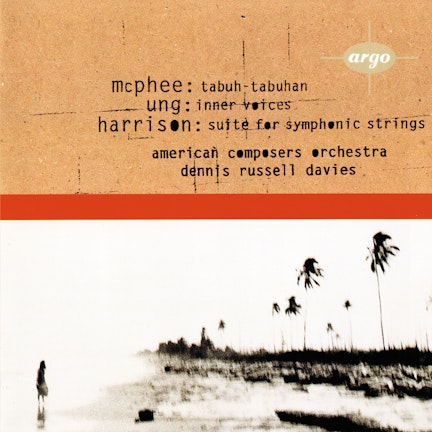
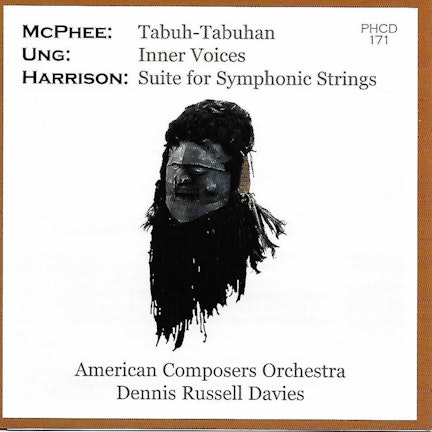
Ung: Inner Voices / McPhee: Tabuh-Tabuhan / Harrison: Suite for Symphonic Strings
Barenboim conducts Stravinsky, Debussy and Boulez
Pierre Boulez in Moscow (Live)
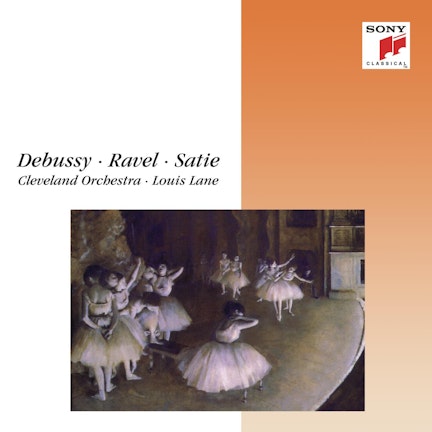
Debussy: Petite Suite - Satie: Gymnopédies Nos. 1 & 3 - Ravel: Introduction et Allegro, M. 46
Stravinsky: Le sacre du printemps - Debussy: La Mer - Boulez: Notations VII
McPhee: Tabuh-tabuhan - Ung: Inner Voices - Harrison: Suite for Symphonic Strings
Tchaikovsky: Orchestral Suite No. 3 - Rimsky-Korsakov: Capriccio espagnol - Tcherepnin: La Princesse lointaine