Strauss: Ein Heldenleben, Op. 40, TrV 190 - Der Rosenkavalier Suite, Op. 59, TrV 227d
3/16/2016, 2 Tracks, 1:11:53
Featuring
Yutaka Sado
Lieke te Winkel
Tonkünstler-Orchester
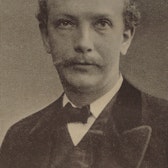
Richard Strauss
Did you know?
1/7
Performer Biography
Yutaka Sado, the conductor, was a long-time assistant to both Leonard Bernstein and Seiji Ozawa, and won prestigious conducting awards, including the Premier Grand Prix at Besançon.
Composition History
Richard Strauss worked on two tone poems simultaneously: "Ein Heldenleben" (A Hero's Life) and "Don Quixote," conceiving them as direct counterparts.
Composer's Artistic Vision
Richard Strauss humorously suggested that he composed "Ein Heldenleben" (A Hero's Life) to address the unpopularity of Beethoven's "Eroica" Symphony among conductors, even titling it in the same key.
Compositional Technique
In "Ein Heldenleben," Richard Strauss incorporated themes from his earlier works, such as "Don Juan" and "Also sprach Zarathustra," into the section depicting "The Hero's Works of Peace."
Cultural Impact
Richard Strauss's opera "Der Rosenkavalier" was so popular after its 1911 premiere that it sparked a "Rosenkavalier" mania in Germany, with trains and cigarettes named after it.
Compositional Technique
The waltz in "Der Rosenkavalier" serves as a musical symbol for Vienna during the Austro-Hungarian monarchy, used by Strauss in a symphonic style with dramatic force and sarcastic sharpness.
Composer Biography
Richard Strauss, a renowned composer and conductor, was denied the position of General Music Director in Munich at age 35 for being too inexperienced, despite having already composed 40 works.
You might also enjoy...
R. Strauss: Aus Italien, Op. 16 - Wolf-Farrari: Suite veneziano
Strauss, R.: Alpine Symphony (An) / Rosenkavalier Suite (Dresden Philharmonic, Fruhbeck De Burgos)
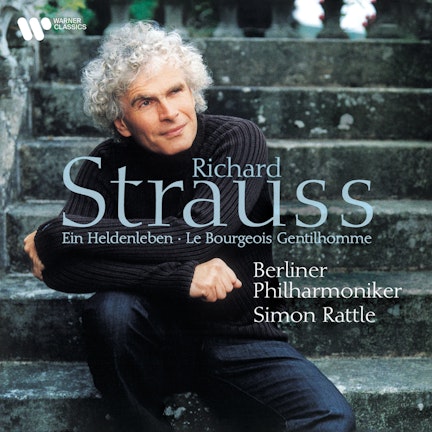
Strauss: Ein Heldenleben & Le bourgeois gentilhomme
Schubert: Symphony No. 9 "Great" - Strauss: Don Juan, Till Eulenspiegels lustige Streiche & Excerpts
Sibelius: Valse Triste / Finlandia / Legenden 1 - 4
Scenes from the Kalevala
Strauss: Ein Heldenleben, Der Rosenkavalier Suite
Debussy & Schoenberg: Pelléas & Mélisande
Rimsky-Korsakov: Scheherazade / Stravinsky: The Firebird Suite
R. Strauss: Der Rosenkavalier Suite & Ein Heldenleben
Max Reger: Four Tone Poems after Böcklin; Romantic Suite
Alexander Scriabin: Poeme de l'extase / Isaac Albeniz: Iberia, Book 1