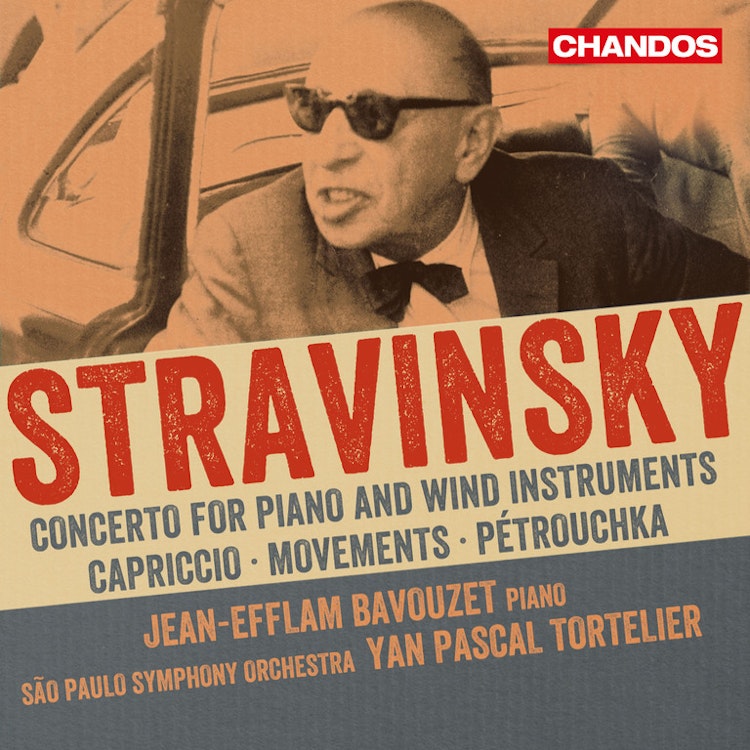
Stravinsky: Concerto for Piano, Capriccio, Movements & Petrushka
1/1/2015, 15 Tracks, 1:19:41
Featuring
Yan Pascal Tortelier
Jean-Efflam Bavouzet
Orquestra Sinfônica do Estado de São Paulo
Igor Stravinsky
Did you know?
1/7
Composer's Artistic Vision
Stravinsky stated that he found the piano's 'neat, clear sonority and polyphonic resources' suited the 'dryness and neatness' he sought in the structure of his music.
Composition History
The idea for Stravinsky's ballet Pétrouchka came to him while awaiting the birth of his third child, envisioning a puppet 'suddenly endowed with life' exasperating an orchestra.
Notable Performances
At the 1911 premiere of Pétrouchka, the score, rigorously conducted by the 36-year-old Pierre Monteux, stole the limelight, a first for the Ballets Russes.
Composition History
Stravinsky's Movements was a commissioned work for $15,000 for ten minutes of music, a significant sum at the time, by Swiss tycoon Karl Weber for his pianist wife, Margrit.
Compositional Technique
The Capriccio's form was inspired by Praetorius's definition of 'capriccio' as a synonym for 'fantasia,' a free form made of fugato instrumental passages.
Composition History
Stravinsky's first piece for piano and orchestra, initially conceived as a concert-piece dialogue in 1910, was soon incorporated into his ballet Pétrouchka.
Interpretation
Pianist Jean-Efflam Bavouzet found it challenging to blend into the orchestral sound during rehearsals, being accustomed to a more prominent solo role.
You might also enjoy...
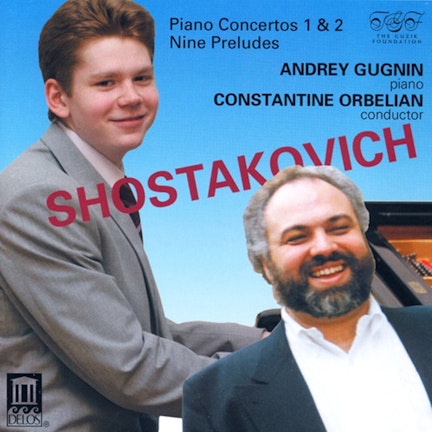
Shostakovich: Piano Concertos Nos. 1 and 2
Kabalevsky: Colas Breugnon: Overture / Piano Concerto Nos. 2 and 3 / The Comedians
Rachmaninov: Piano Concerto No.2; Symphony No.2 etc.
Prokofiev: The Piano Concertos/Violin Concertos etc
Tcherepnin, A.: Piano Concertos Nos. 1, 3 / Festmusik / Symphonic March
The Best of Rachmaninoff
Prokofiev : Concertos [Prokofiev Edition Vol.2]
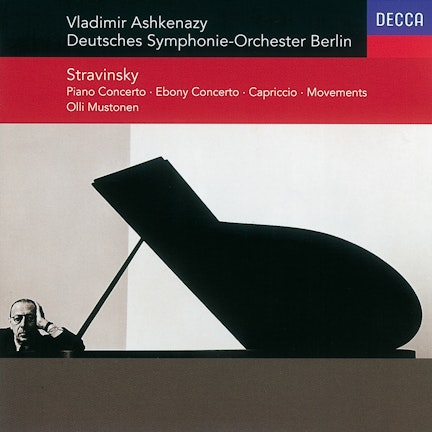
Stravinsky: Concerto for Piano & Winds/Ebony Concerto/Capriccio/Movements
Shostakovich, D.: Piano Concertos Nos. 1 and 2 / 24 Preludes (Excerpts)
Rachmaninov: Complete Symphonies & Piano Concertos
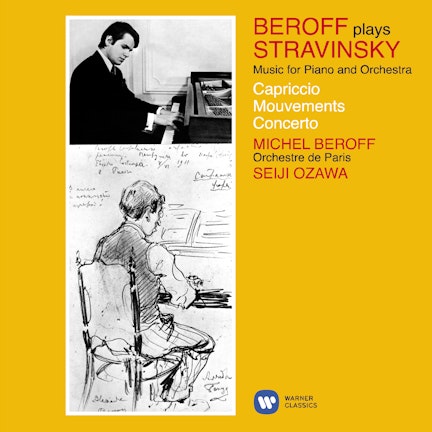
Stravinsky: Music for Piano and Orchestra (Capriccio, Movements & Concerto)
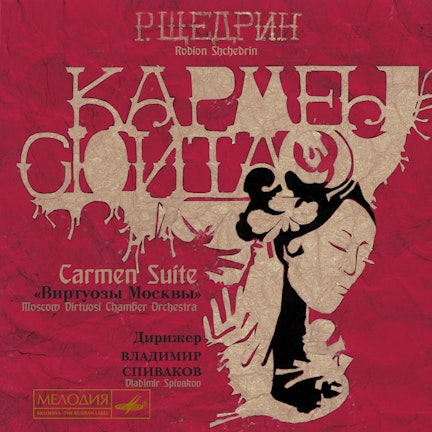
Shchedrin: Carmen Suite (Live)
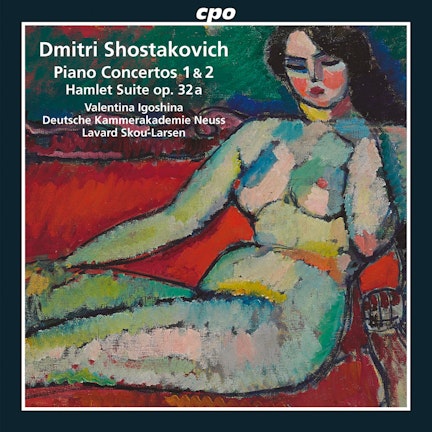
Shostakovich: Piano Concertos Nos. 1 & 2 - Hamlet Suite