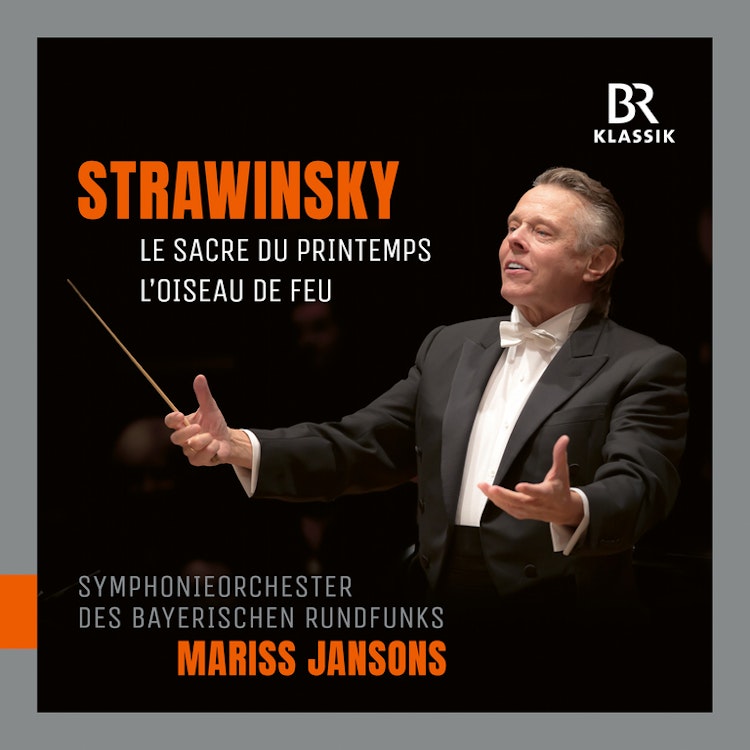
Stravinsky: Le sacre du printemps & The Firebird Suite
11/2/2018, 12 Tracks, 1:04:42
Featuring
Mariss Jansons
Symphonieorchester des Bayerischen Rundfunks
Igor Stravinsky
Did you know?
1/7
Composer's Artistic Vision
Igor Stravinsky conceived of "Le sacre du printemps" (The Rite of Spring) from a vision of a pagan ceremony where an old wise man watched a young maiden dance to her death as a sacrifice to the god of spring.
Composition History
The libretto for "The Firebird" was co-written by Stravinsky, choreographer Mikhail Fokine, and costume designer Léon Bakst, drawing on Russian legends.
Composition History
Stravinsky collaborated with his painter friend Nicholas Roerich, an expert in pagan incantation, to develop the libretto for "Le sacre du printemps."
Recording & Production
This recording features the 1945 suite of "The Firebird," which Stravinsky personally preferred due to its medium-sized orchestration and expanded movements.
Compositional Technique
In "Le sacre du printemps," Stravinsky's emancipation of rhythm is a dominant element, often transforming the orchestra into a large percussion instrument with irregular accents and frequent meter changes.
Critical Reception
The 1913 premiere of "Le sacre du printemps" in Paris was a major artistic scandal, with the audience laughing, booing, hissing, and even engaging in a brawl.
Composition History
Sergei Diaghilev, a brilliant impresario, commissioned Igor Stravinsky to compose "The Firebird" for his 'Ballets Russes' company, aiming to create a new form of ballet art.
You might also enjoy...
Stravinsky: The Rite of Spring & The Firebird
Stravinsky, I.: Rite of Spring (The) / The Firebird Suite (1919 Version)
Stravinsky: Suites from Petrouchka & The Firebird
Stravinsky: The Rite of Spring & Suite from "The Firebird"
Strawinsky: Feuervogel/Pulcinella
Stravinsky: The Rite of Spring, K015 & The Firebird Suite, K010 (1919 Version)
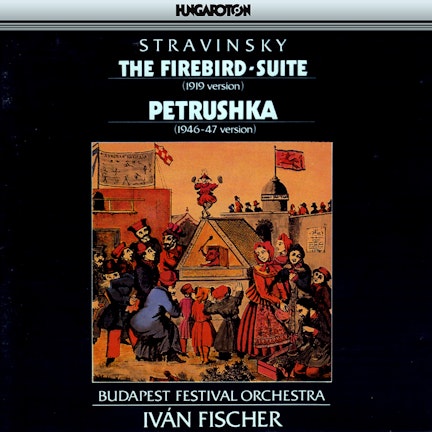
Stravinsky: Firebird Suite (The) / Petrushka
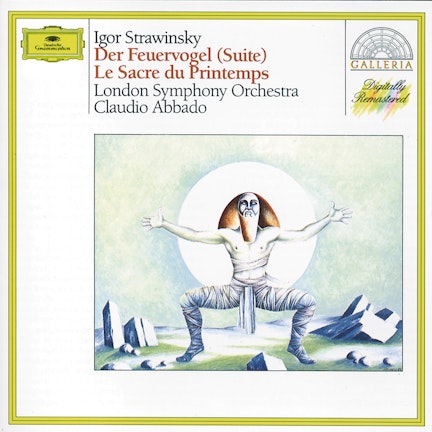
Stravinsky: L'Oiseau de Feu (Suite); Le Sacre du Printemps
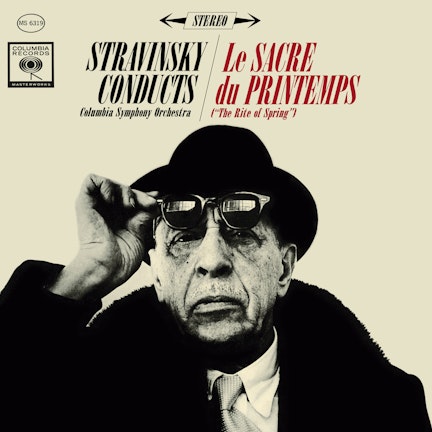
Stravinsky: Le sacre du printemps (The Rite of Spring)
Stravinsky: The Firebird
Stravinsky: The Rite of Spring & Suite from "The Firebird"
Igor Stravinsky. The Ballets: Firebird / The Rite of Spring
Stravinsky: The Firebird Suite & Petrushka
Stravinsky: The Rite of Spring & Suite from "The Firebird"