Stravinsky had already begun composing The Firebird when Diaghilev commissioned it in December 1909, surprising the impresario.
Performer Biography
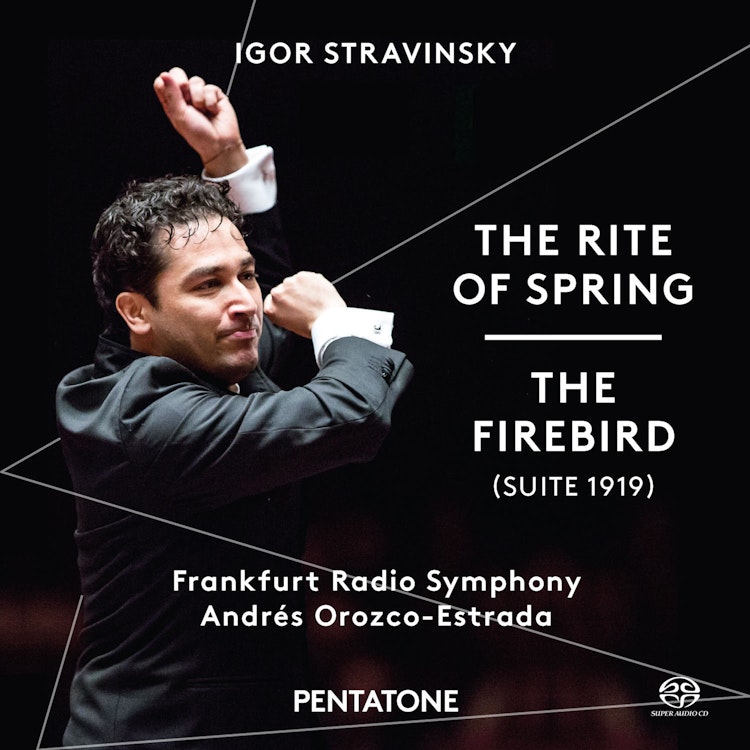
Andrés Orozco-Estrada, born in Colombia and trained in Vienna, is Music Director of the Frankfurt Radio Symphony and the Houston Symphony Orchestra, and Principal Guest Conductor of the London Philharmonic Orchestra.
Critical Reception
The premiere of Le Sacre du printemps (The Rite of Spring) in Paris was a scandal, with a police report detailing 27 injured people and a damaged concert hall, yet it was acclaimed by its third performance.
Composition History
Igor Stravinsky established his worldwide reputation with just three ballet works: L'Oiseau de Feu (The Firebird), Petrushka, and Le Sacre du printemps (The Rite of Spring), all written between 1910 and 1913.
Composer's Artistic Vision
Diaghilev, the impresario behind the Ballets Russes, prioritized music above all else in ballet, followed by choreography, and then decor and costumes only if they suited the music.
Compositional Technique
In The Firebird, Stravinsky used diatonic music for Prince Ivan and the princess, chromaticism for the sorcerer Kastcheï, and fluttering sounds for the Firebird, showing influences of Rimsky-Korsakov and Tchaikovsky.
Historical Context
Serge Diaghilev, leader of the 'World of Art' movement, aimed to merge music, literature, and art to comprehensively renovate the art scene in Paris, where Russian art previously played a minor role.
You might also enjoy...
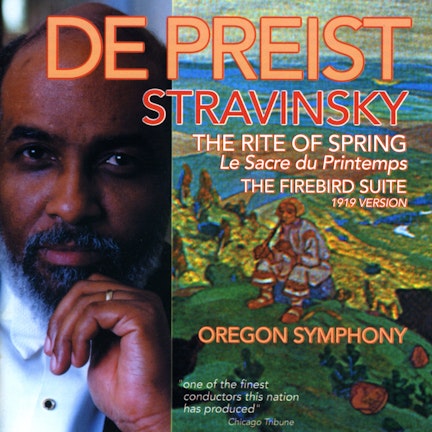
Stravinsky, I.: Rite of Spring (The) / The Firebird Suite (1919 Version)
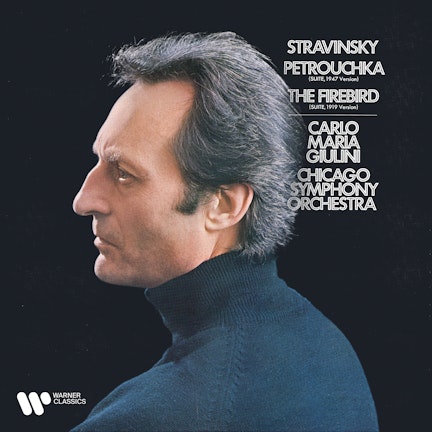
Stravinsky: Suites from Petrouchka & The Firebird
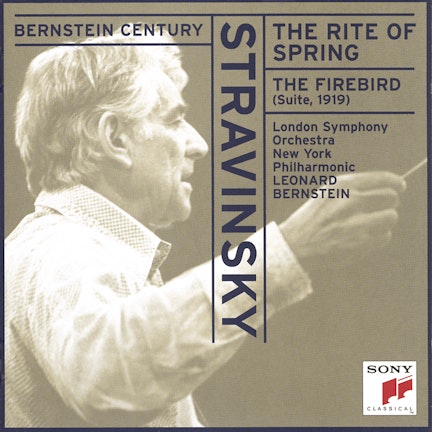
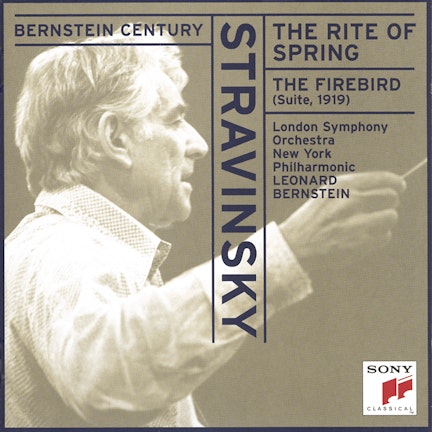
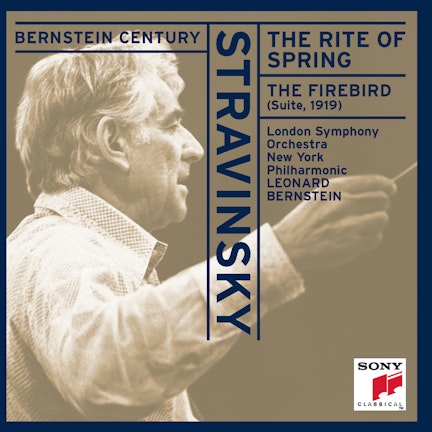
Stravinsky: The Rite of Spring & Suite from "The Firebird"
Strawinsky: Feuervogel/Pulcinella
Stravinsky: The Rite of Spring, K015 & The Firebird Suite, K010 (1919 Version)
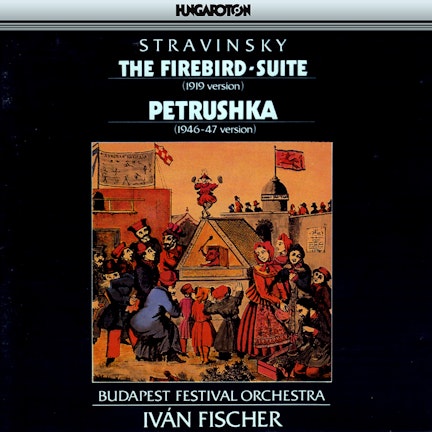
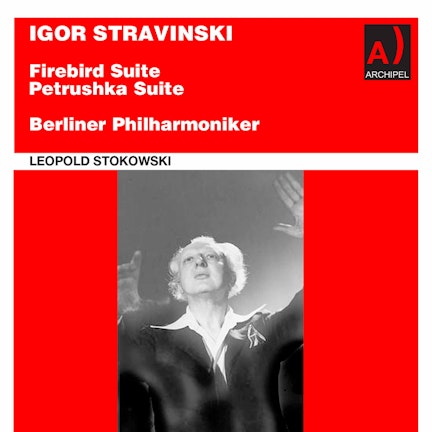
Stravinsky: Firebird Suite (The) / Petrushka
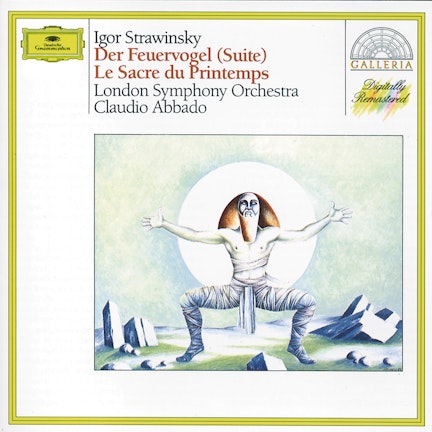
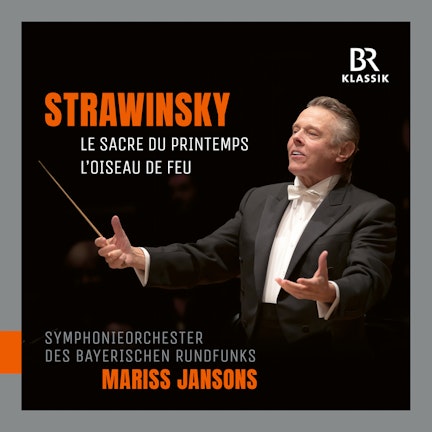
Stravinsky: L'Oiseau de Feu (Suite); Le Sacre du Printemps
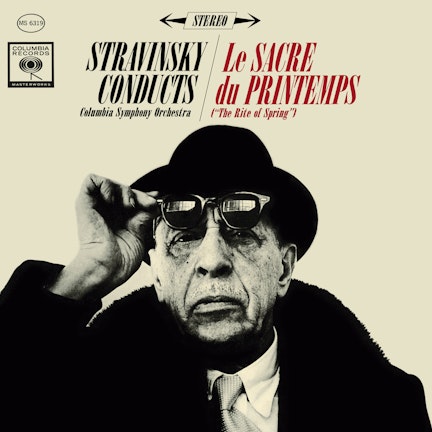
Stravinsky: Le sacre du printemps (The Rite of Spring)
Stravinsky: The Firebird
Stravinsky: The Rite of Spring & Suite from "The Firebird"
Stravinsky: Le sacre du printemps & The Firebird Suite
Igor Stravinsky. The Ballets: Firebird / The Rite of Spring
Stravinsky: The Firebird Suite & Petrushka
Stravinsky: The Rite of Spring & Suite from "The Firebird"