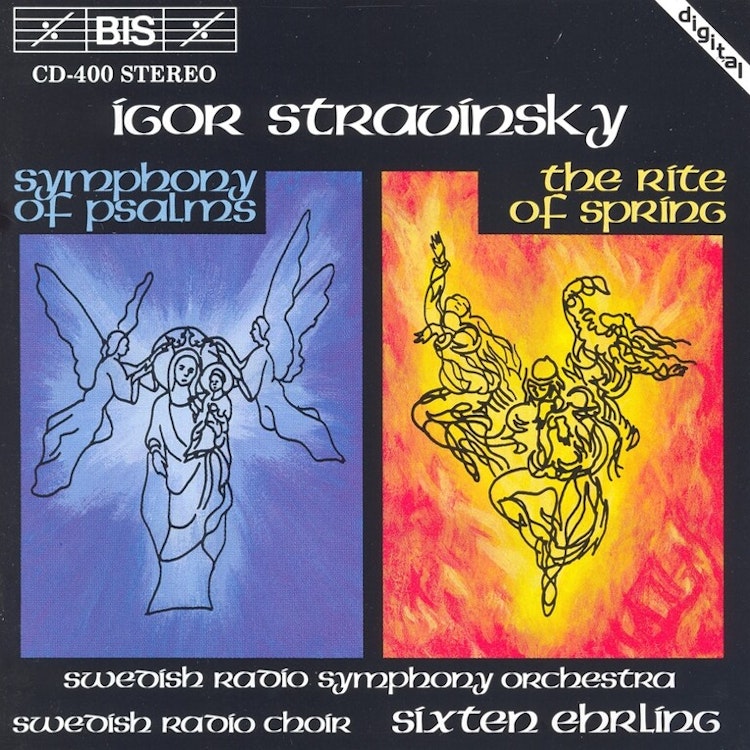
Stravinsky: Symphony of Psalms / The Rite of Spring
1/31/1989, 5 Tracks, 56:02
Featuring
Sixten Ehrling
Sveriges Radios Symfoniorkester
Radiokören
Igor Stravinsky
Did you know?
1/7
Composition History
Igor Stravinsky's "Symphony of Psalms" was commissioned in 1930 by the Boston Symphony Orchestra to celebrate its 50th anniversary.
Composer Biography
Stravinsky conceived "The Rite of Spring" after a vision of a pagan feast where old wise men watched a young girl's death dance, sacrificed to propitiate the god of spring.
Compositional Technique
Despite large forces, Stravinsky was economical with musical material in the "Symphony of Psalms," constructing it with strict logic and archaic melodic elements.
Compositional Technique
For his "Symphony of Psalms," Stravinsky omitted violins and violas entirely, instead using a mixed choir, a strengthened wind section, and two pianos.
Notable Performances
The 1913 premiere of Stravinsky's "The Rite of Spring" in Paris was a major scandal, with audience members fighting and the choreographer Nijinsky yelling numbers to dancers over the din.
Composition History
Sergei Koussevitsky, the chief conductor of the Boston Symphony Orchestra, suggested commissioning his compatriot and fellow exile, Igor Stravinsky, for a new work.
Composer's Artistic Vision
Stravinsky chose psalm texts for his "Symphony of Psalms" to give the new work a religious imprint.
You might also enjoy...
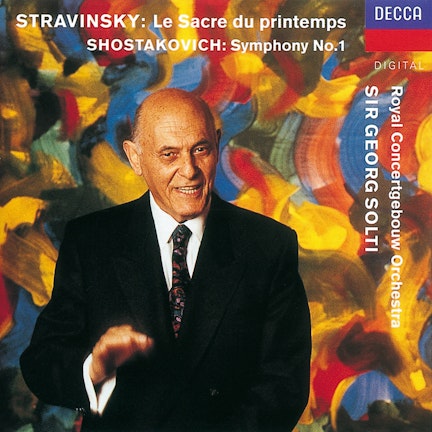
Shostakovich: Symphony No.1/Stravinsky: Le Sacre du printemps
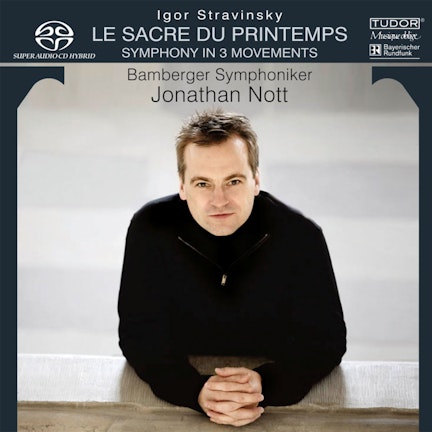
Stravinsky, I.: Rite of Spring (The) / Symphony in 3 Movements
Stravinsky: Le Sacre du printemps (Rite of Spring) & Symphony of Psalms
Stravinsky : Le sacre du printemps [Rite of Spring]
Stravinsky: Le Sacre du printemps (Rite of Spring) & Symphony of Psalms
Stravinsky / Shostakovich
Stravinsky: Oedipus Rex, Symphonies, Concertos, Ballets and other works
Stravinsky: The Firebird & A Symphony of Psalms
Shostakovich Under Stalin's Shadow - Symphony No. 10