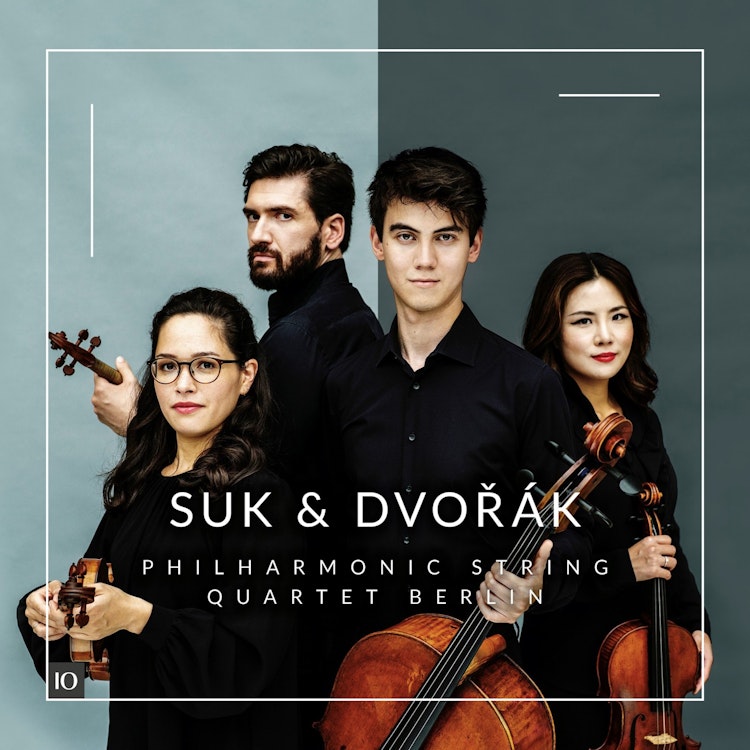
Josef Suk's life and compositional style radically changed after the deaths of his father-in-law Antonín Dvořák in 1904 and his wife Otýlie in 1905, leading to a new, condensed style.
Historical Context
The region where Dvořák grew up was described by English music historian Charles Burney in 1773 as the 'Conservatory of Europe' due to the widespread musicality of its people.
Composer's Artistic Vision
Josef Suk described his artistic philosophy as 'the philosophy of the heart of a South Bohemian man,' aiming to express the 'depths of a full soul' with pure music, rejecting 'isms' like subjectivism or romanticism.
Composer Biography
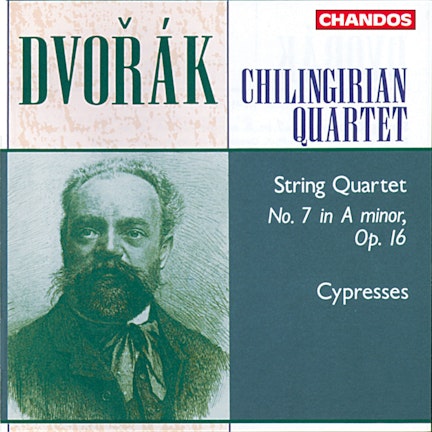
Antonín Dvořák, born in 1841, learned the family trade of butchery from his father before deciding to study church music.
Composition History
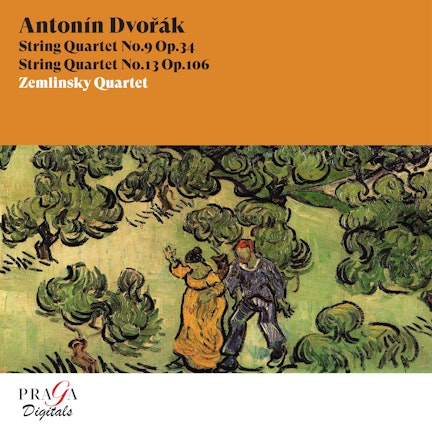
Dvořák composed his String Quartet in G major, Op. 106, between November 11 and December 9, 1895, after returning to Bohemia from America, reflecting an 'unspeakably happy' state.
Critical Reception
Josef Suk's String Quartet No. 2, Op. 31, caused a tumult at its 1912 Berlin premiere, with the audience divided between admiration and horror, leading Suk to be branded 'the most terrible anarchist next to Schönberg'.
Composer Biography
Josef Suk, a highly talented student, became Antonín Dvořák's favorite pupil at the Prague Conservatoire and later married Dvořák's daughter, Otýlie.
You might also enjoy...
Fauré & Chausson: Quatuors à cordes
Bruckner & Klose: String Quartets
Elgar & Walton: String Quartets
Mendelssohn, Felix: String Quartet No. 2 / Grieg, E.: String Quartet in G Minor