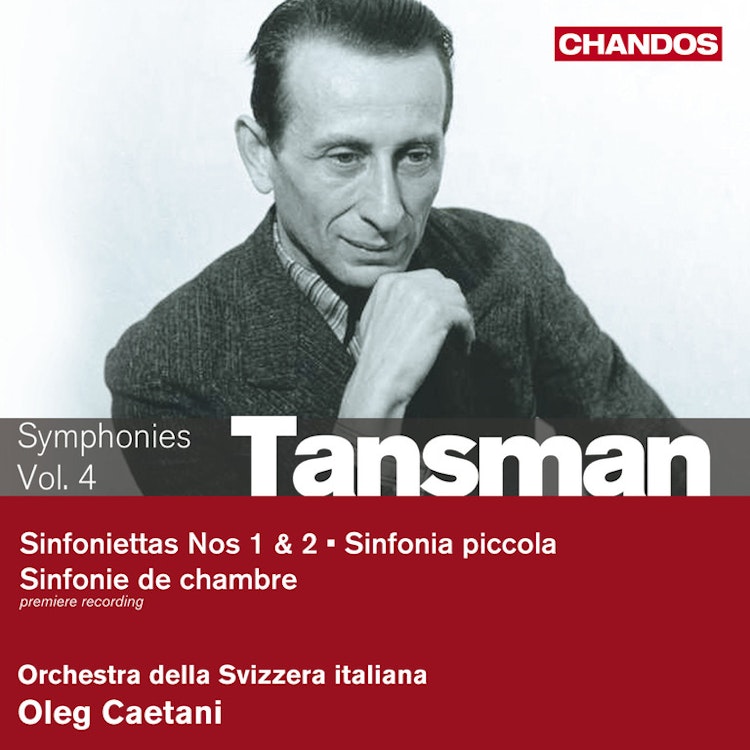
After World War II, Alexandre Tansman's polyglot neoclassical style fell out of favor with the avant-garde, and he was "blacklisted" by the Polish socialist government for over thirty years.
Composer's Artistic Vision
Alexandre Tansman, the composer, found inspiration in diverse sources including Baroque, Classical, and Romantic periods, Polish and Jewish folklore, American jazz, Asian traditions like gamelan, and the works of composers like Bach, Chopin, Stravinsky, and Ravel.
Compositional Technique
The two Sinfoniettas on this album, written 54 years apart, demonstrate Alexandre Tansman's consistent mastery of form, harmony, orchestration, polyphony, and fugues, despite the first being neoclassical and the second using dodecaphonic techniques.
Composer Biography
Alexandre Tansman, the composer, won the top three prizes in the first post-war Polish Composers' Competition in 1919, leading him to move to Paris and embark on an illustrious career.
Performer Biography
Oleg Caetani, the conductor, was discovered by Nadia Boulanger and studied conducting with Kirill Kondrashin and Ilya Musin, winning the RAI Turin and Karajan competitions.
Recording & Production
This album was recorded using 24-bit technology, which offers a dynamic range up to 48 dB greater and 256 times the resolution of standard 16-bit recordings.
Historical Context
As a Jew, Alexandre Tansman and his family spent a year in hiding in Nice during World War II, waiting for American visas secured through the efforts of friends like Charlie Chaplin and Serge Koussevitzky.
You might also enjoy...
Beethoven Reimagined
Mckay: From A Moonlit Ceremony / Harbor Narrative
Haig Mardirosian: Symphonic Works
Mckay: From A Moonlit Ceremony / Harbor Narrative
Matthew H. Fields: Double Cluster & Space Sciences
Warsaw Philharmonic:Brahms & Bach Orchestrated By Schonberg
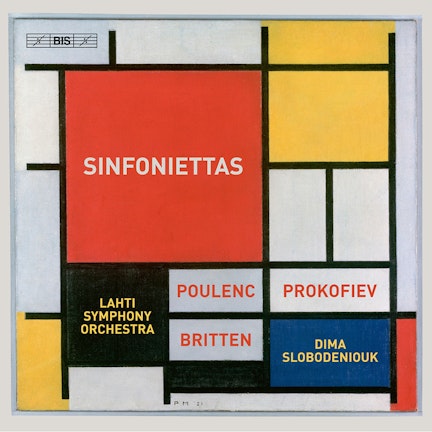
Poulenc, Prokofiev & Britten: Sinfoniettas
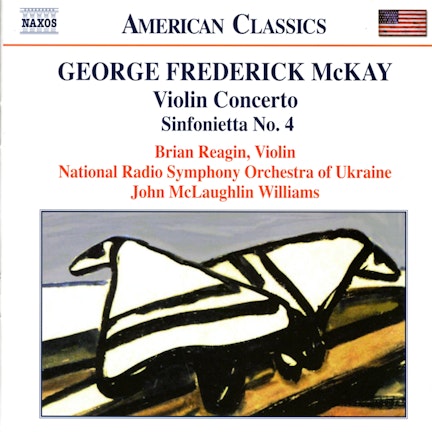
Mckay: Violin Concerto / Sinfonietta No. 4 / Song Over the Great Plains
Torke: Colour Music
Leo Ornstein: Nocturne & Dance of the Fates - Arthur Foote: Francesca Da Rimini - Arthur Bird: Carnival Scene
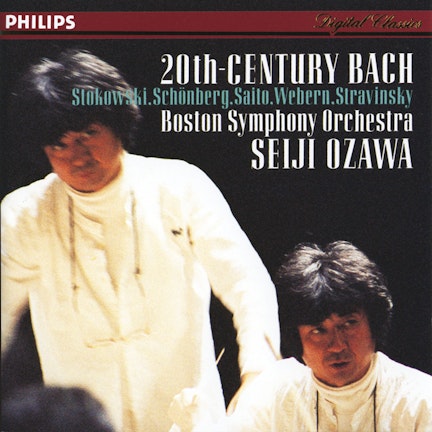
Bach, J.S.: Transcriptions by Stokowski/Schoenberg/Stravinsky/Webern