Tartini, G.: Violin Concertos, Vol. 7 (L'Arte Dell'Arco) - D. 16, 48, "Rondinella Vaga E Bella", 57, 76
7/1/2000, 12 Tracks, 1:02:50
Featuring
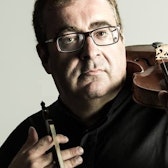
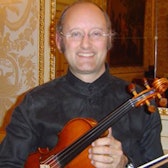
Giovanni Guglielmo
Federico Guglielmo
Carlo Lazari
L`Arte dell`Arco
Giuseppe Tartini
Did you know?
1/7
Instruments
All instruments used by L'Arte dell'Arco are either original Italian-made instruments or modern copies of them.
Composition History
Most of Tartini's violin concertos exist only as manuscripts, as he, like many composers of his era, did not bother to date them, making chronological ordering difficult.
Compositional Technique
Tartini's 'second creative period,' starting around 1735, is characterized by more demanding technique, audacious harmony, large-scale slow movements, and the use of encoded poetic mottos in his manuscripts.
Recording & Production
The recording project faced challenges due to Tartini's difficult-to-decipher autograph manuscripts, which feature jumbled writing, frequent corrections, and unusual notation.
Composer's Artistic Vision
Tartini's 'second creative period' showed a stronger stylistic individuality, with highly virtuosic instrumental writing free from Vivaldian influence, and a deeper search for lyricism in slow movements.
Composer Biography
Giuseppe Tartini, an Italian 18th-century composer, focused his entire musical output on the violin, his chosen instrument, largely neglecting other popular genres of his time.
Interpretation
The ensemble L'Arte dell'Arco aims to recreate a bright sound in the high register by using a higher pitch standard and specially calibrated gut strings, based on research into 18th-century Venetian practice.
You might also enjoy...
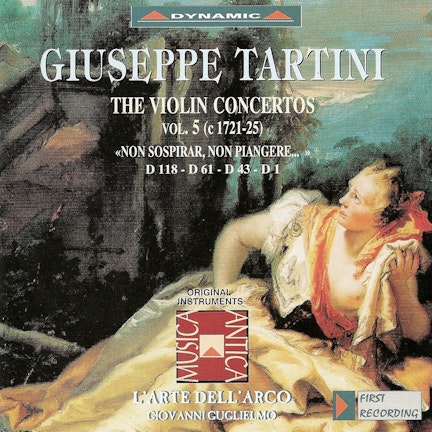
Tartini, G.: Violin Concertos, Vol. 5 (L'Arte Dell'Arco) - D. 1, 43, 61, 118, "Non Sospirar, Non Piangere…"