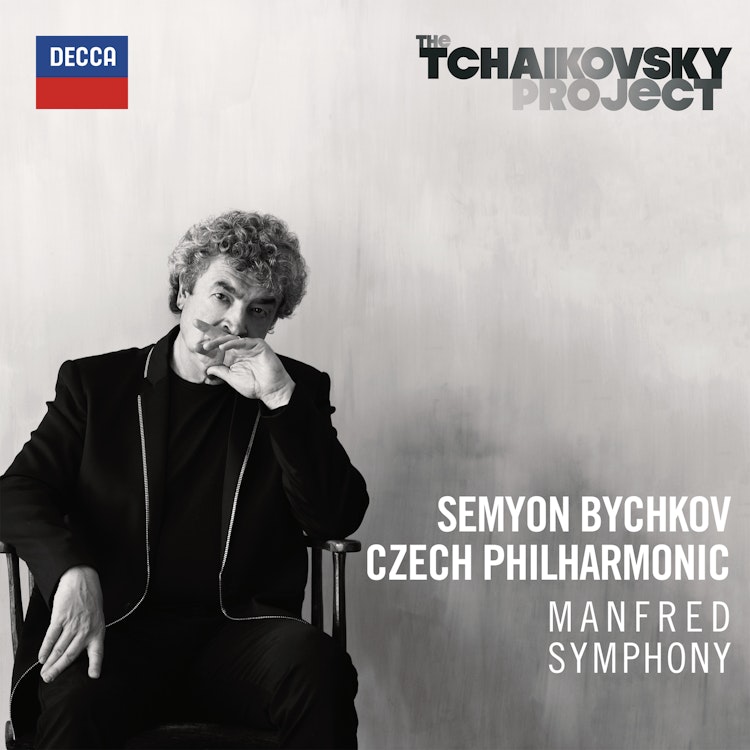
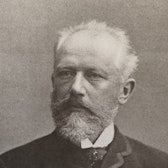
The theme of forbidden sexuality in Byron's poem, potentially autobiographical for Byron, might have attracted Tchaikovsky, a homosexual composer.
Performer Biography
The Czech Philharmonic was initially unfamiliar with the Manfred Symphony score, finding it difficult to play, but eventually came to love and empathize with the work.
Critical Reception
Despite its quality, the Manfred Symphony has a 'puzzling reputation as a secondary piece' and is rarely performed, with concert promoters wary of scheduling it.
Composition History
Tchaikovsky initially believed his Manfred Symphony to be his best work, but after its 1886 Moscow premiere, he declared dissatisfaction and wished to burn the last three movements.
Interpretation
Conductor Semyon Bychkov views the Manfred Symphony as an 'opera without words' and believes that its dramatic truths are crucial for a proper interpretation.
Composition History
The Manfred Symphony is loosely based on Lord Byron's 1817 supernatural gothic dramatic poem, also titled Manfred, which tells a story of despair and redemption.
Compositional Technique
Tchaikovsky's Manfred Symphony uses leitmotivic writing, where themes are constantly changed in tempo, instrumentation, or direction, making them sound new each time.
You might also enjoy...
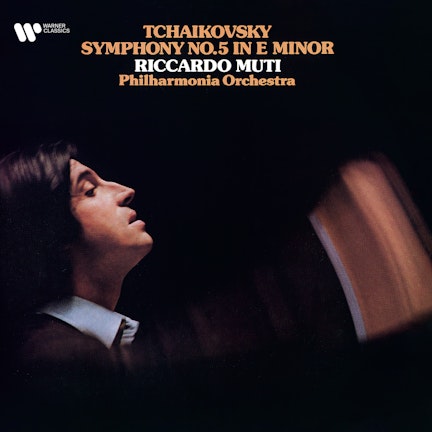
Tchaikovsky: Symphony No. 5 in E Minor, Op. 64
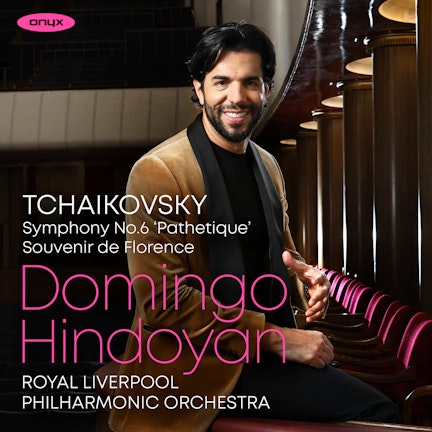
Tchaikovsky: Symphony No.6 "Pathétique"
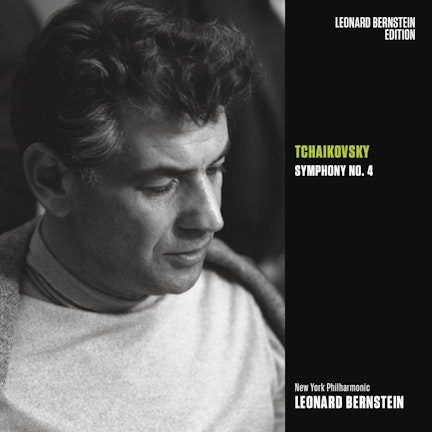
Tchaikovsky: Symphony No. 4
Rachmaninov: Symphony No. 2
Miaskovsky: Symphony No. 6, Op. 23
Prokofiev: Symphonies Nos. 2 & 6
Tschaikowsky: Symphonien No. 4, 5 & 6 Pathétique
Tchaikovsky: Symphony No. 4 in F Minor, Op. 36, TH 27
Taneyev, S.I.: Symphonies Nos. 1 and 3
Symphony No. 6 in B Minor, Op. 74, "Pathetique": II. Allegro con grazia