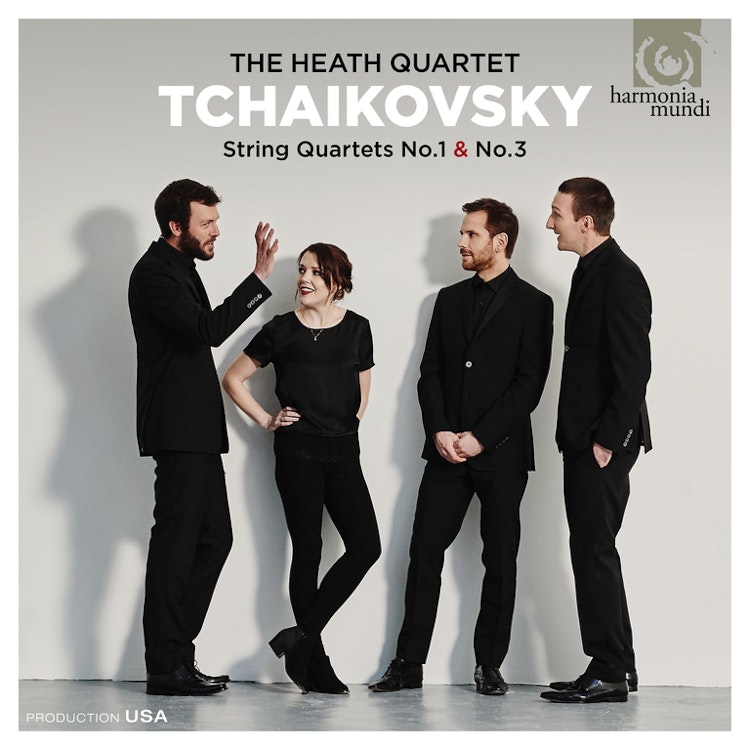
Tchaikovsky's First Quartet, Op.11, was partially intended as a publicity exercise to build his compositional reputation and generate income, suggested by Nikolay Rubinstein, director of the Moscow conservatoire.
Critical Reception
The Third Quartet's funeral march movement made a deep impression, with Tchaikovsky reporting to his brother Modest, 'Many of the audience wept (so I am told) during the Andante. If this is true, it means a serious success.'
Critical Reception
Tchaikovsky was both gratified by the enthusiasm for his First String Quartet in Western Europe and exasperated by the public's obsession with its Andante movement, complaining, 'Why always the Andante?'
Composition History
Tchaikovsky's three string quartets, composed between 1871 and 1876, are closely linked to Moscow's musical and literary scene, where he began working in 1866.
Composition History
Tchaikovsky composed his Third Quartet, Op.30, in response to the death of Ferdinand Laub, a distinguished Czech violinist and composer who was the first violinist in the premieres of Tchaikovsky's first two quartets.
Composer Biography
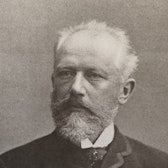
Piotr Ilyich Tchaikovsky, a young employee of the Ministry of Justice and a skilled pianist, was among the earliest students at Russia's first conservatoire, which opened in St Petersburg in 1862.
Performer Biography
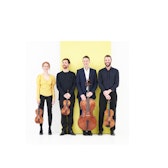
The Heath Quartet was formed in 2002 at the Royal Northern College of Music and its members are now Professors of Chamber Music at the Guildhall School of Music & Drama.
You might also enjoy...
Summary, Vol. 1: Tchaikovsky – String Quartets
Schönberg: String Quartets, D Major & Op. 7
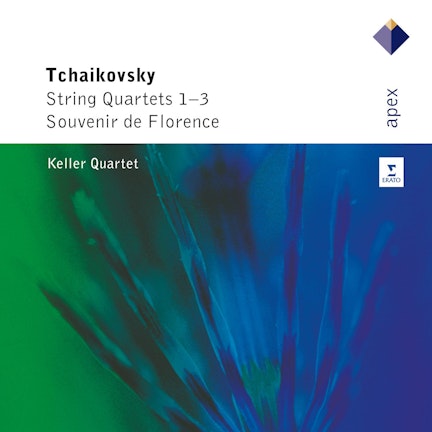
Tchaikovsky : String Quartets 1-3 & Souvenir de Florence
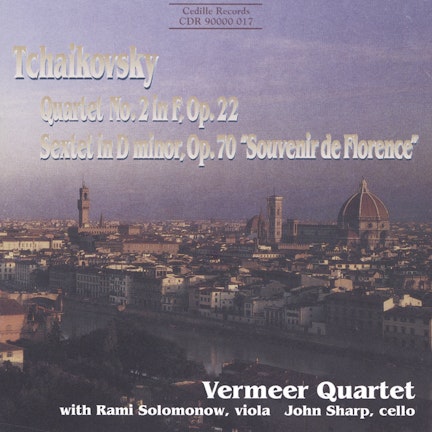
Tchaikovsky: String Quartet No. 2 in F Major / Souvenir De Florence
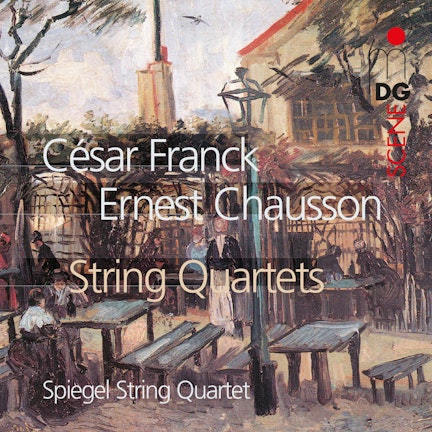
Franck & Chausson: String Quartets
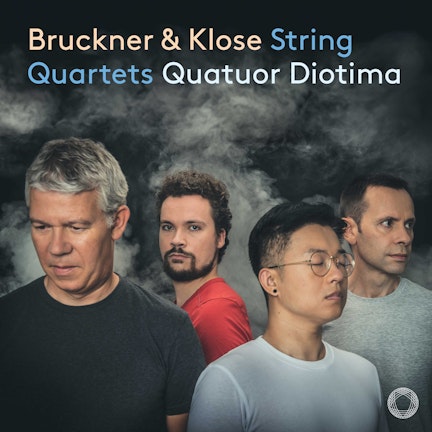
Bruckner & Klose: String Quartets
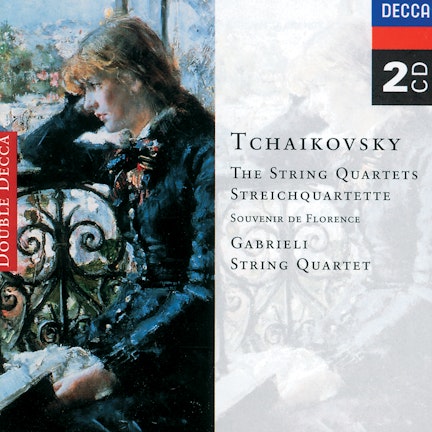
Tchaikovsky: The String Quartets/Souvenir de Florence
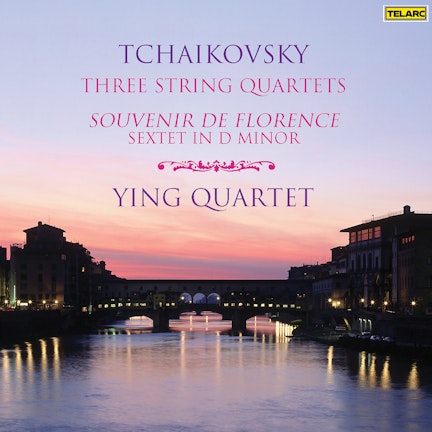
Tchaikovsky: Three String Quartets & Sextet in D Minor "Souvenir de Florence"
Borodin Quartet 60th Anniversary
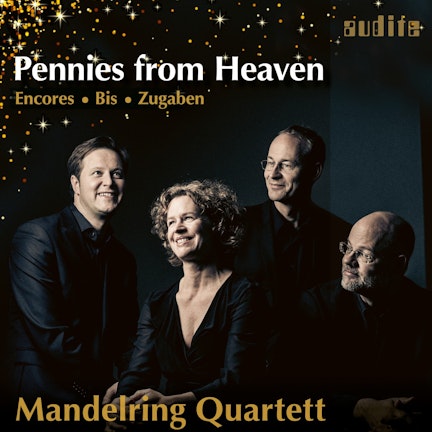
Pennies from Heaven
String Quartets from Magic Mountain Chamber Music Festival