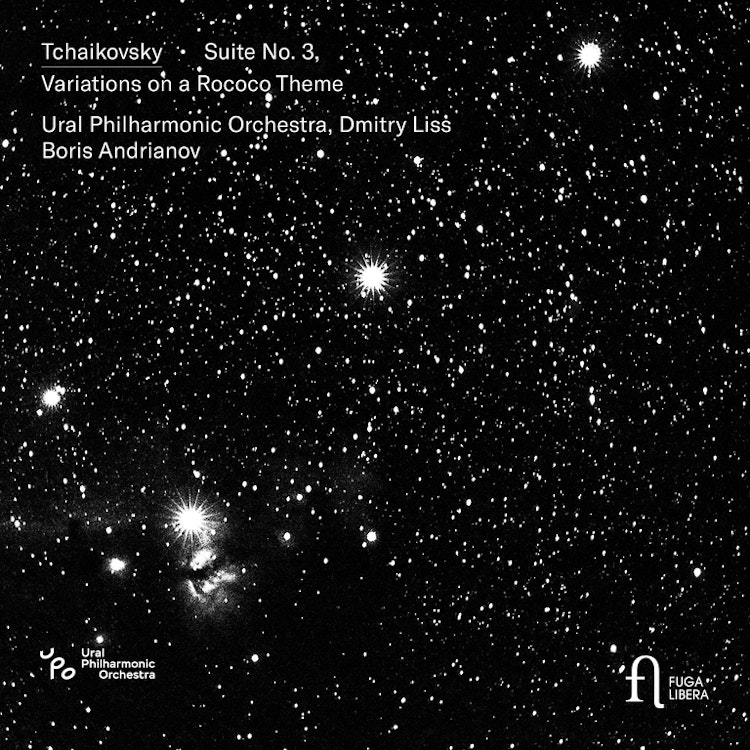
Tchaikovsky: Suite No. 3 & Variations on a Rococo Theme
2/21/2025, 12 Tracks, 59:36
Featuring
Dmitry Liss
Boris Andrianov
Ural Philharmonic Orchestra
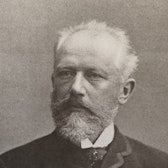
Pyotr Ilyich Tchaikovsky
Did you know?
1/7
Compositional Technique
In the Suite No. 3, Tchaikovsky intentionally imitates various musical styles, including a Bach-like fughetta, a flashy gigue, a church chorale, and a dashing trepak.
Composer's Artistic Vision
Tchaikovsky described Rococo as 'a light and serene joyfulness,' seeking peace of mind after completing his fantasia on Francesca da Rimini and before his dramatic Symphony No. 4.
Composer's Artistic Vision
Tchaikovsky considered the suite his most ideal form, using it frequently in his mature period as an alternative to the symphonic genre.
Compositional Technique
Tchaikovsky's Suite No. 3's Finale is an expanded movement written as a 'suite within a suite,' featuring a theme and twelve variations.
Composition History
Tchaikovsky composed his Suite No. 3 at his sister Alexandra Davydova's estate in Kamenka, a place he loved to visit for creative work.
Notable Performances
The premiere of Tchaikovsky's Suite No. 3 was overwhelmingly successful and was conducted by Hans von Bülow, who was touring Saint Petersburg at the time.
Compositional Technique
The Variations on a Rococo Theme combines Russian melodiousness with Mozartean courtliness, transparency of texture, and clarity of line, and also incorporates the French galant style.