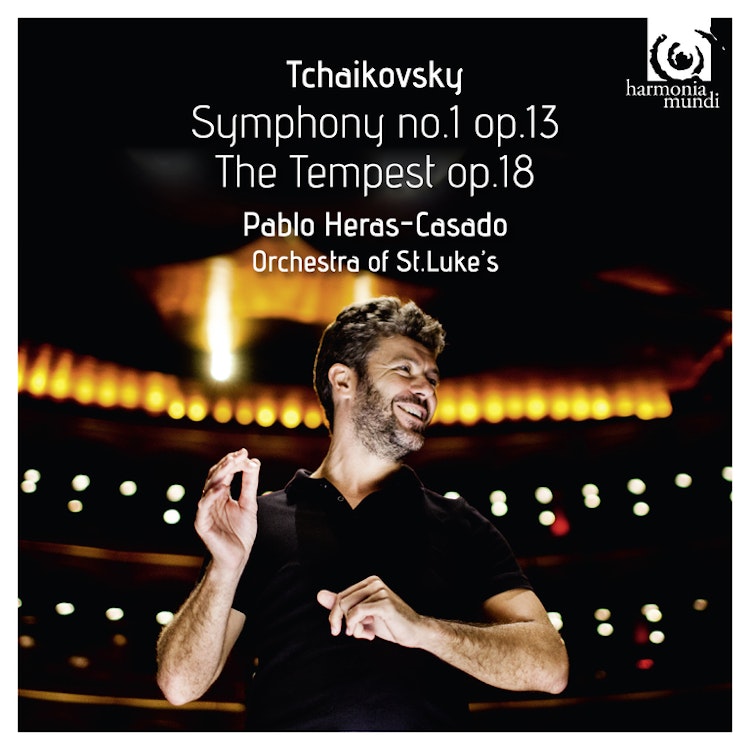
Tchaikovsky: Symphony No.1, Op. 13 & The Tempest, Op. 18
11/4/2016, 5 Tracks, 1:08:21
Featuring
Pablo Heras-Casado
Orchestra of St. Luke's
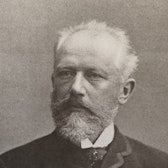
Pyotr Ilyich Tchaikovsky
Did you know?
1/7
Compositional Technique
The scherzo of Tchaikovsky's First Symphony reuses material from his First Piano Sonata, written in 1865, and features a waltz that foreshadows his famous ballets like Swan Lake.
Composition History
Tchaikovsky's First Symphony was premiered on February 3, 1868, in Moscow, conducted by Nikolay Rubinstein, brother of his former teacher Anton Rubinstein, who had demanded revisions to the score.
Composition History
Tchaikovsky's First Symphony, inspired by Russian winter landscapes, was composed when he was 26 years old, shortly after transitioning from student to professor at the Moscow Conservatory.
Composition History
The idea for Tchaikovsky's symphonic fantasia The Tempest came from Vladimir Stasov, a musicologist and art critic, who provided a detailed program for the work.
Composition History
The composition of Tchaikovsky's First Symphony caused him significant psychological distress, leading to a serious nervous breakdown, as documented in his letters to his brother Anatoly.
Compositional Technique
Tchaikovsky initially questioned whether to include a storm scene in his work The Tempest, asking Vladimir Stasov where it should be placed in the score.
Composer Biography
Tchaikovsky declared, "I am Russian, Russian, Russian!" to assert his national identity as a composer, anticipating those who might label him "eclectic" or "cosmopolitan."
You might also enjoy...
Tchaikovsky: Symphony No. 5 in E Minor, Op. 64 & The Tempest, Op. 18
Tchaikovsky: The Voyevode, Op. 78, TH 54 & Manfred Symphony in B Minor, Op. 58, TH 28
Tchaikovsky: Symphony No. 4 / Fate (Reconstructed by R. R. Shoring)
Tchaikovsky: Symphony No. 5 - Francesca da Rimini
Rachmaninov: Symphony No. 2 / The Rock
Balakirev: Symphony No. 2 / Russia
Rachmaninov: Symphony No.1;The Isle of the Dead
Tchaikovsky: Manfred Symphony / Voyevoda
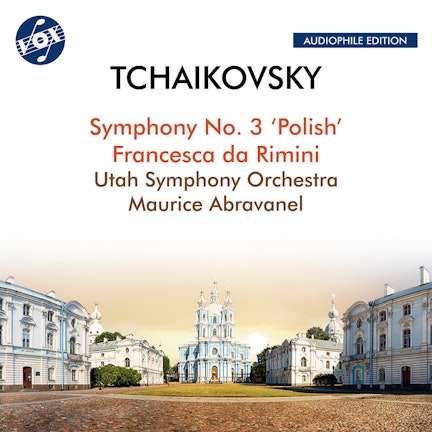
Tchaikovsky: Symphony No. 3 "Polish" & Francesca da Rimini
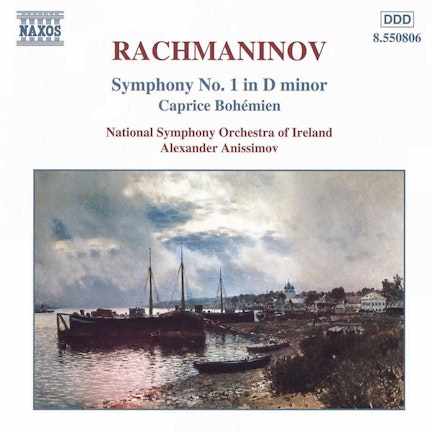
Rachmaninov: Symphony No. 1 / Caprice Bohemien
Tchaikovsky, P.I.: Symphony No. 6, "Pathetique" / Francesca Da Rimini
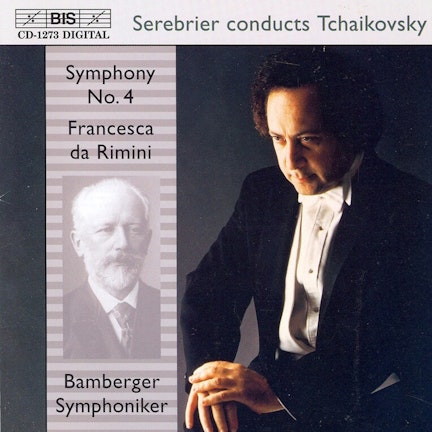
Tchaikovsky: Symphony No. 4 / Francesca Da Rimini
Tchaikovsky: Symphony No. 5 & The Voyevoda
Tchaikovsky: Symphony No. 1 & Francesca da Rimini, Op. 32