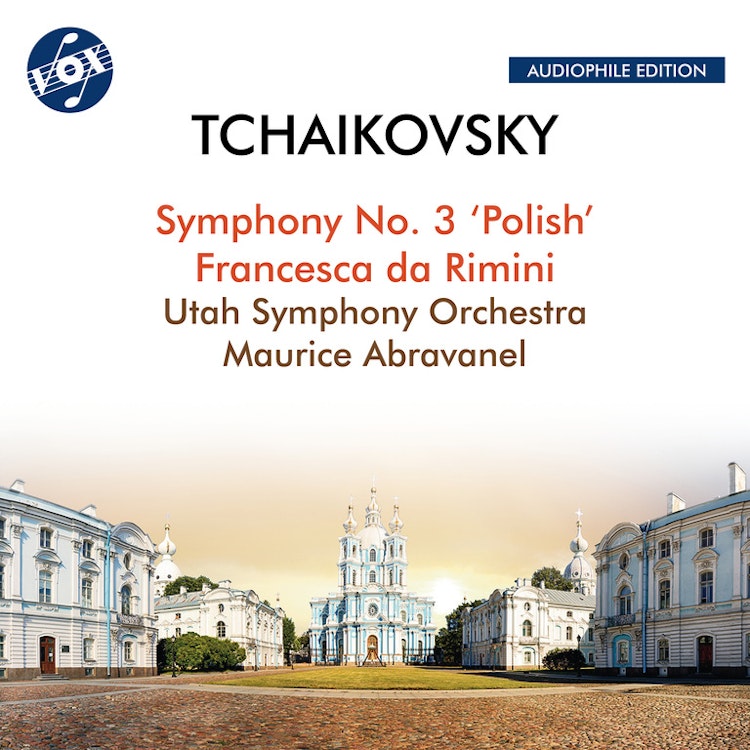
Tchaikovsky: Symphony No. 3 "Polish" & Francesca da Rimini
9/22/2023, 6 Tracks, 1:07:57
Featuring
Maurice Abravanel
Utah Symphony Orchestra
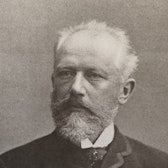
Pyotr Ilyich Tchaikovsky
Did you know?
1/7
Performer Biography
The Utah Symphony Orchestra, founded in 1940, became internationally recognized under Maurice Abravanel, its Music Director from 1947 to 1979, undertaking four international tours and releasing over 100 recordings.
Composer's Artistic Vision
Tchaikovsky was a thorough professional, selective in his idols (Mozart), modest towards his contemporaries, and extremely self-critical, often revising works like Romeo and Juliet multiple times.
Critical Reception
For decades, Tchaikovsky's music was disdained in some circles for being too popular, even as his concerts consistently sold out.
Performer Biography
Maurice Abravanel, conductor of the Utah Symphony Orchestra, was the youngest and most controversial conductor to step onto the Metropolitan Opera podium in 1936.
Compositional Technique
Tchaikovsky's Symphony No. 3 is his only symphony in a major key and the only one with five movements, an addition to the conventional four.
Composition History
The nickname 'Polish' for Tchaikovsky's Symphony No. 3 was not given by the composer but by Sir August Manns six years after Tchaikovsky's death, based solely on the final movement's 'Tempo di polacca' marking.
Cultural Impact
Many of Tchaikovsky's melodious works were adapted into popular songs and 'Hit Parade' favorites, with themes from his Piano Concerto No. 1 and Fifth Symphony becoming Tin Pan Alley classics.
You might also enjoy...
Franck: Symphony in D Minor & Rédemption
Tchaikovsky: Symphony No. 5 & The Voyevoda
Tchaikovsky: Symphony No. 5 - Francesca da Rimini
Rachmaninov: Symphony No. 2 / The Rock, Op. 7
Tchaikovsky: Symphony No. 5 & Romeo and Juliet, Fantasy-Overture
Tchaikovsky: Symphony No. 4 / Romeo and Juliet
Sergei Rachmaninov: Symphony No. 2 - Caprice Bohèmien
Rachmaninoff: The Isle of the Dead & Symphony No. 1
Tchaikovsky, P.I.: Symphony No. 6, "Pathetique" / Francesca Da Rimini
Tchaikovsky: Symphony No. 4 & Romeo & Juliet
Tchaikovsky: Symphony No. 6 "Pathétique"; Romeo and Juliet