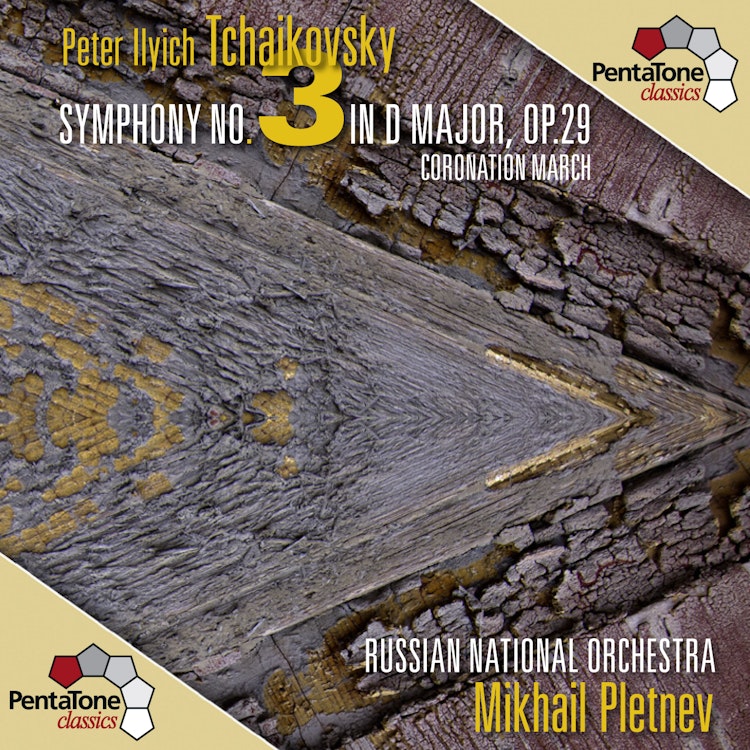
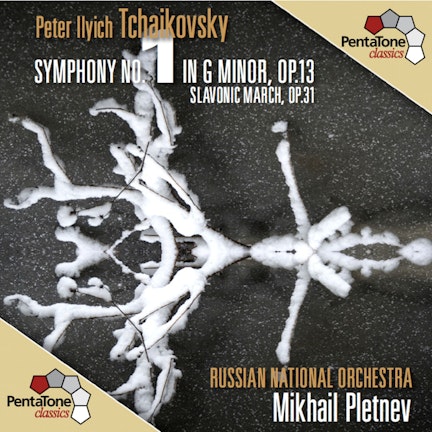
Tchaikovsky: Symphony No. 3 in D major, Op. 29 - Coronation March
10/2/2012, 6 Tracks, 52:05
Featuring
Mikhail Pletnev
Russian National Orchestra
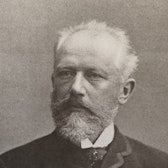
Pyotr Ilyich Tchaikovsky
Did you know?
1/7
Performer Biography
The Russian National Orchestra, founded by Mikhail Pletnev in 1990, was the first Russian orchestra to win a Grammy Award, for their 2004 recording of Prokofiev's Peter and the Wolf.
Historical Context
Tchaikovsky composed the Coronation March in 1883 to celebrate the coronation of Tsar Alexander III, who had commissioned the work.
Critical Reception
The premiere of Tchaikovsky's Symphony No. 3 in Moscow on November 7, 1875, was favorably received by both audiences and critics.
Composition History
Tchaikovsky composed his Symphony No. 3 in D Major in just a few weeks during the summer of 1875, around the same time as his ballet Swan Lake and Piano Concerto No. 1.
Performer Biography
Mikhail Pletnev, the conductor on this album, won the Gold Medal and First Prize at the 1978 Tchaikovsky International Piano Competition in Moscow at age 21.
Compositional Technique
Tchaikovsky's Symphony No. 3 is his only symphony written in a major key and is laid out in five movements, similar to Robert Schumann's Rhenish Symphony.
Cultural Impact
Tchaikovsky's Coronation March was used to conclude the state ceremony for the reopening of the Bolshoi Theatre in Moscow in 2011, following years of renovation.
You might also enjoy...
Tchaikovsky: Symphony No. 5 in E minor, Op. 64; Slavonic March, Op. 31