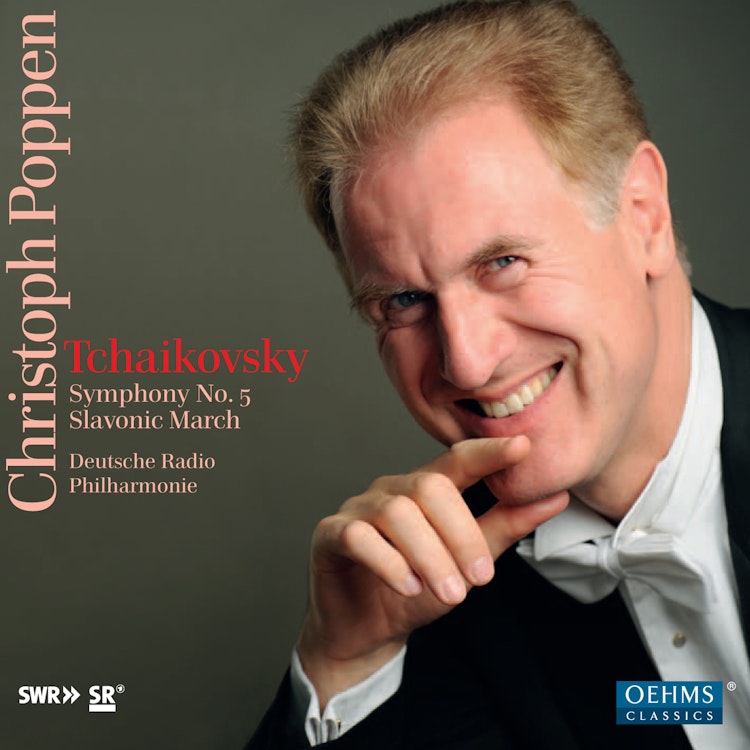
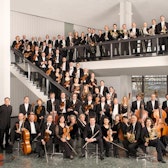
Deutsche Radio Philharmonie Saarbrücken Kaiserslautern
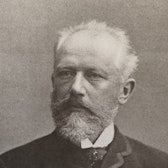
Pyotr Ilyich Tchaikovsky
Did you know?
1/7
Composer Biography
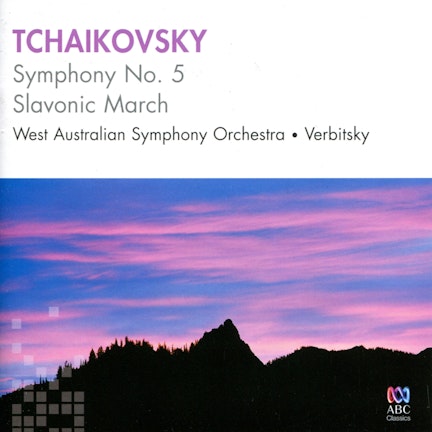
Tchaikovsky, plagued by self-doubt and an outsider due to his homosexuality, felt lonely and misunderstood at 48, leading him to compose his Fifth Symphony.
Compositional Technique
The Slavonic March incorporates three Serbian folksongs and uses programmatic elements, such as trumpet blares for cries for help and the hymn 'God Save the Tsar' for Russian support.
Composition History
Tchaikovsky's Fifth Symphony was intended to help him overcome a personal and creative crisis, as he expressed to his patroness Nadezhda von Meck.
Notable Performances
The premiere of the Slavonic March on November 17, 1876, in Moscow, was met with overwhelming patriotic enthusiasm, described as one of the most moving moments of the year.
Historical Context
Tchaikovsky composed his Slavonic March in 1876 for a benefit concert for wounded soldiers, amidst the Balkan conflicts where Serbs and Bulgarians rebelled against Ottoman rule.
Compositional Technique
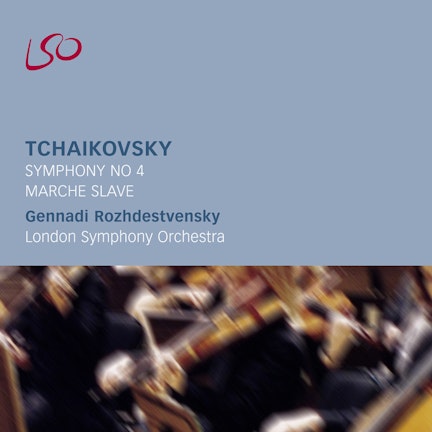
Like his Fourth Symphony, Tchaikovsky's Fifth Symphony uses a recurring 'fate theme' that cyclically spans the work, representing 'complete submissiveness to fate'.
Critical Reception
Despite his public popularity, Tchaikovsky faced negative and contradictory press, with some critics finding his music too 'Russian' and others too 'cosmopolitan'.