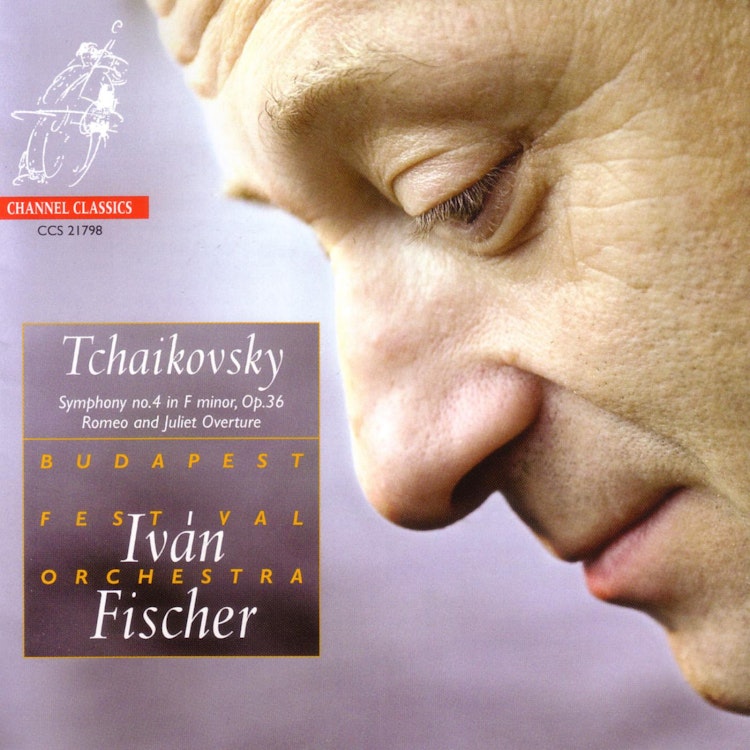
Tchaikovsky described his Fourth Symphony as having a hidden program, detailing how the music represents fate, human lament, daydreams, and attempts to find solace.
Composition History
Tchaikovsky revised his Romeo and Juliet Overture twice after a lukewarm premiere, incorporating advice from Mili Balakirev, who suggested the powerful closing chords of the definitive 1880 version.
Recording & Production
This recording was made in Budapest at The Italian Institute between February 11-14, 2004, using Bruel & Kjaer 4006 and Schoeps microphones.
Composer Biography
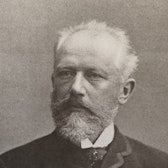
Tchaikovsky's Fourth Symphony was composed against the backdrop of his nervous breakdown and attempted suicide following a short-lived marriage, which he entered to conceal his homosexuality.
Performer Biography
Iván Fischer, the conductor, founded the Budapest Festival Orchestra in 1983, introducing intense rehearsal methods and an emphasis on chamber music.
Composition History
Tchaikovsky's Romeo and Juliet Overture was encouraged by Mili Balakirev, a leading figure of 'The Mighty Handful' group of Russian composers.
You might also enjoy...
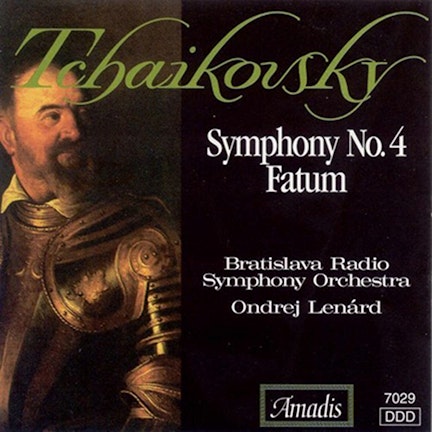
Tchaikovsky: Symphony No. 4 / Fate (Reconstructed by R. R. Shoring)
Tchaikovsky: Symphony No. 4 / Romeo and Juliet
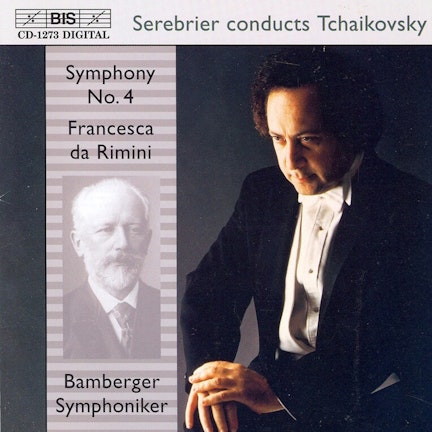
Tchaikovsky: Symphony No. 4 / Francesca Da Rimini
Scriabin: Symphony No.3 In C Minor, Op.43 "Le Poème Divin"; Le Poème de l'Extase, Op.54
Tchaikovsky: Symphony No. 5
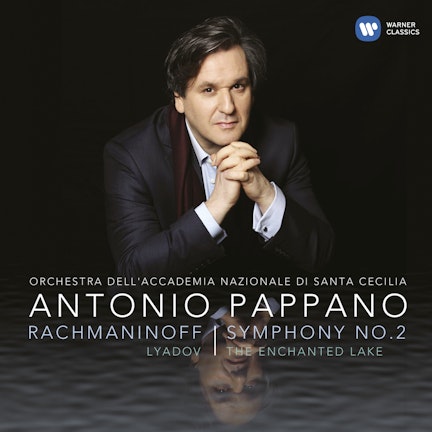
Rachmaninoff: Symphony no. 2 / The Enchanted Lake
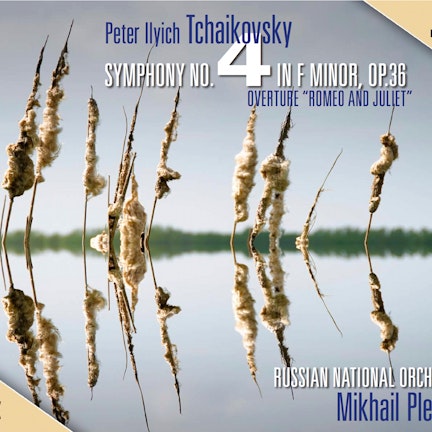
Tchaikovsky: Symphony No. 4 and Romeo & Juliet
Tchaikovsky: Symphony No. 5 & Romeo and Juliet, Fantasy-Overture
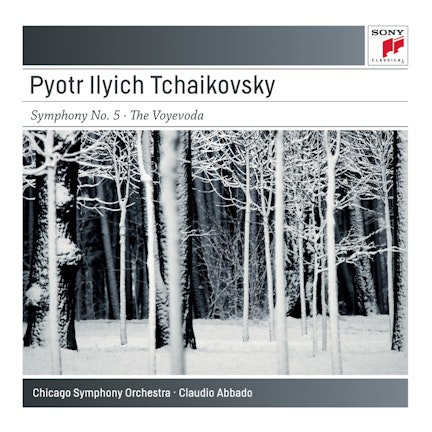
Tchaikovsky: Symphony No. 5 in E Minor, Op. 64; The Voyevode, Op. 78
Tchaikovsky: Symphony No. 4 - Romeo and Juliet Fantasy Overture
Tchaikovsky: Symphony No. 2; The Tempest
Rachmaninov: Symphony No.1; The Isle of Dead
Rachmaninov: Symphony No. 2 / The Rock, Op. 7
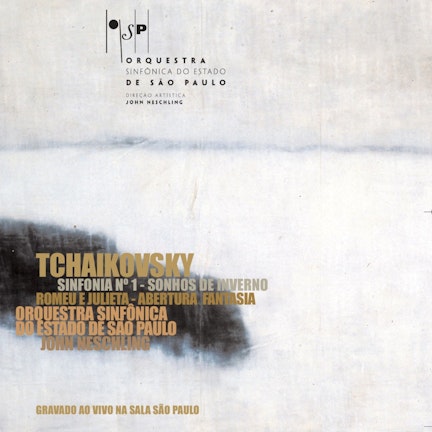
Tchaikovsky: Sinfonia No. 1 em Sol Menor, Op. 13 - Sonho de inverno & Romeu e Julieta - Abertura fantasia