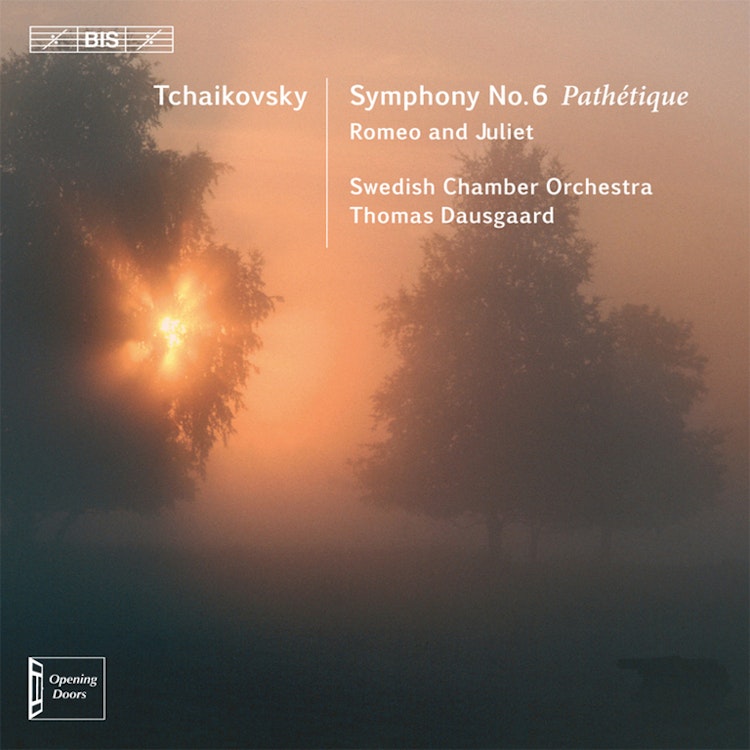
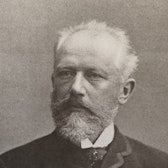
Tchaikovsky's 'Romeo and Juliet' Fantasy Overture, his first and most successful musical adaptation of Shakespeare, was revised multiple times and partly reused in 1893 for a duet fragment.
Notable Performances
The premiere of Tchaikovsky's Symphony No. 6, 'Pathétique', was initially met with reservation, but its second performance, after the composer's death, was an overwhelming success.
Composer's Artistic Vision
Tchaikovsky's Symphony No. 6, 'Pathétique', breaks from traditional symphonic optimism, daring to state that "we have no grounds for hope."
Performer Biography
The Swedish Chamber Orchestra, founded in 1995, has achieved international recognition and toured extensively, including appearances at the London Proms and the Salzburg Festival.
Compositional Technique
The ending of Tchaikovsky's Symphony No. 6, 'Pathétique', uniquely concludes in a minor key with an Adagio lamentoso and a quadruple pianissimo, instead of a traditional major key and concluding jubilation.
Composition History
Tchaikovsky considered his Symphony No. 6, 'Pathétique', superior to all his previous works, stating he "poured [his] entire soul" into it.
Performer Biography
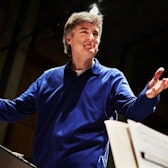
Thomas Dausgaard, the conductor on this album, is renowned for his intense performances and has brought the Swedish Chamber Orchestra to international attention since becoming chief conductor in 1997.
You might also enjoy...
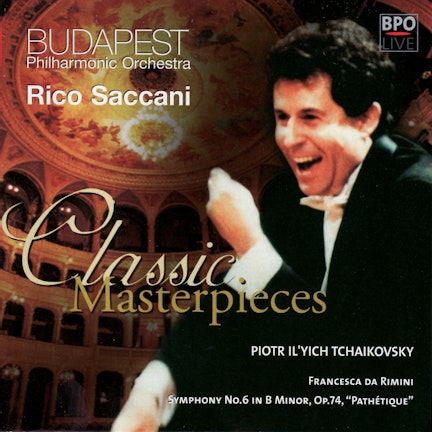
Tchaikovsky, P.I.: Symphony No. 6, "Pathetique" / Francesca Da Rimini
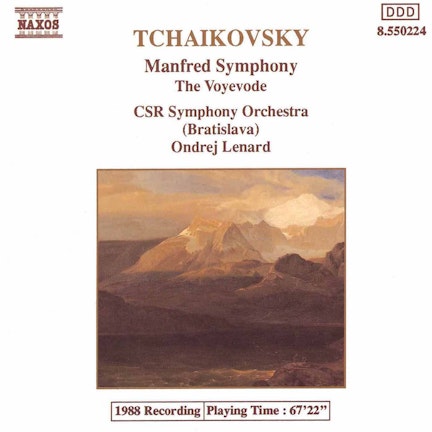
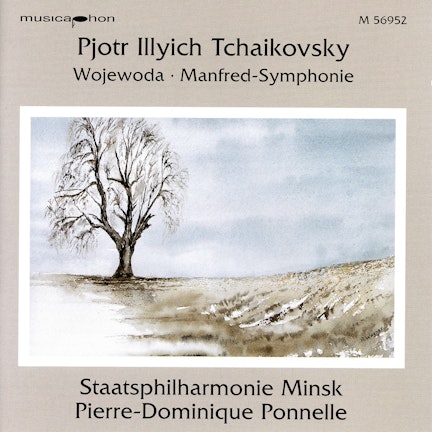
Tchaikovsky: Manfred Symphony / Voyevoda
Tchaikovsky: Symphony No. 6 "Pathetique" & Francesca da Rimini
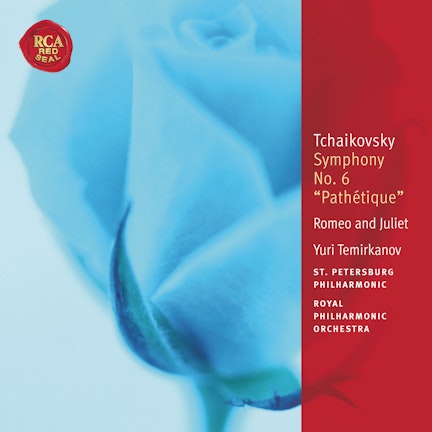
Tchaikovsky: Symphony No. 6 op. 74 (Pathétique) / Romeo and Juliet Fantasy
Tchaikovsky: The Voyevode, Op. 78, TH 54 & Manfred Symphony in B Minor, Op. 58, TH 28
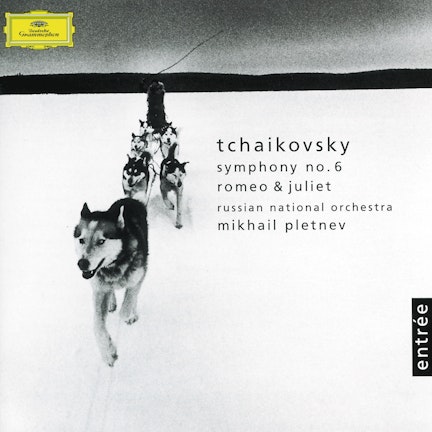
Tchaikovsky: Symphony No. 6 "Pathétique"; Romeo and Juliet
Tchaikovsky - Symphony No. 6/Scriabin
Tchaikovsky: Manfred Symphony; The Tempest
Tchaikovsky: Symphony No. 6, 'Pathetique'
Tchaikovsky: Symphony No.6/Romeo and Juliet
Tchaikovsky: Symphony No. 6 'Pathétique' & Romeo and Juliet