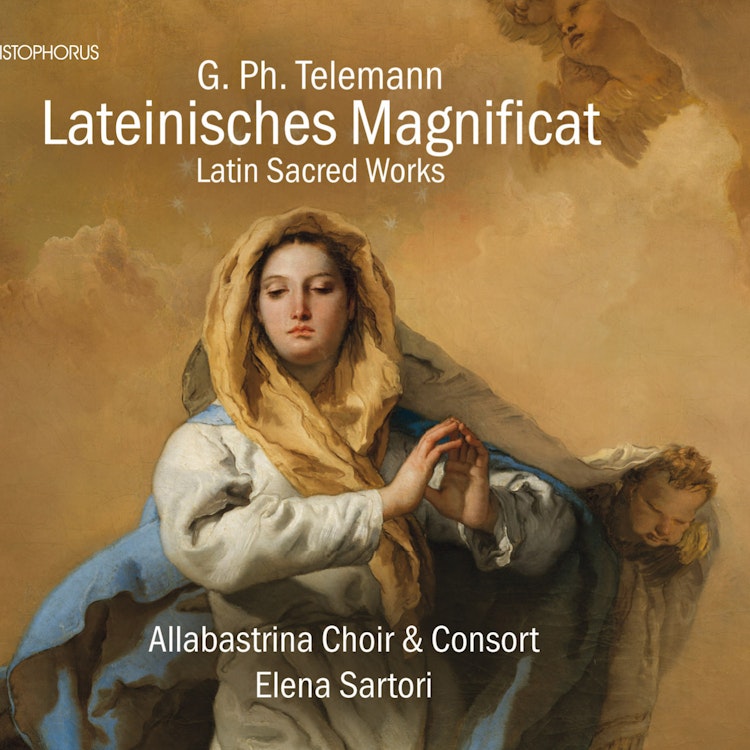
Telemann's Psalm 71, Deus Judicium Tuum, was performed twice in Paris, including for the royal family, and later in Hamburg to public acclaim, remaining popular until the early 19th century.
Recording & Production
The track order on this album was determined by the key relationships between the pieces to create a pleasant listening experience.
Composer's Artistic Vision
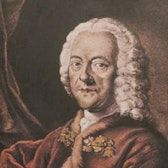
Georg Philipp Telemann composed in all known styles of his time, synthesizing them into a new musical language that anticipated elements of the Classical era.
Composition History
Telemann's Psalm 71, Deus Judicium Tuum, was composed during an eight-month stay in Paris in 1737, where he aimed to expand his professional and political network.
Compositional Technique
Telemann's Psalm 117, Laudate Jehovam omnes gentes, features choral writing that treats the entire choir as a single singer or male and female voices as a duet, a style reminiscent of Mozart's later masses.
Compositional Technique
The Latin Magnificat by Telemann shows an eclectic approach, with instrumentation influenced by J.S. Bach's Magnificat BWV 243, strict counterpoint for the choir, and movements in Italian and French styles.