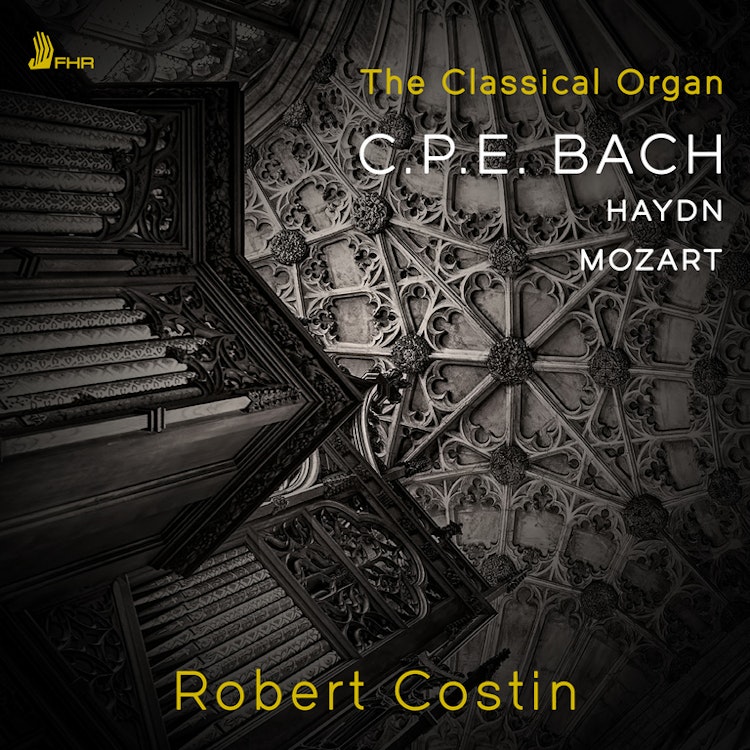
During the Classical period, there was a widespread fascination with mechanical music, leading composers like Haydn and Mozart to create pieces for instruments such as music boxes and musical clocks.
Composer's Artistic Vision
C.P.E. Bach's music, particularly his use of the empfindsamer Stil, embodied the transition from Baroque to Classical and Romantic periods with its frequent mood changes and dramatic harmonic interjections.
Performer Biography
Robert Costin, the organist on this album, is a versatile musician who has performed at prestigious venues including Westminster Abbey, St Paul's Cathedral, and Notre-Dame de Paris.
Instruments
The organ at Sherborne Abbey, where this album was recorded, has a rich history dating back to 1856 and was originally modelled on a gold-medal-winning organ from the 1851 Great Exhibition.
Historical Context
The 18th century saw a musical shift from the Baroque to the Classical period, driven by changing aesthetics and cultural influences, moving away from complex counterpoint to clarity and balance.
Composition History
C.P.E. Bach's organ sonatas were significantly influenced by Princess Anna Amalia of Prussia, sister of King Frederick, who had an organ installed in her living room to immerse herself in the 'learned style'.
Composer Biography
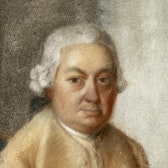
Carl Philipp Emanuel Bach, son of J.S. Bach, began his career as a court composer for Frederick the Great, King of Prussia, before becoming director of music in Hamburg.
You might also enjoy...
Gillian Weir - A Celebration, Vol. 2 - Dandrieu
Ignazio Cirri 12 Sonatas for Organ, Op. 1
Pescetti Complete Keyboard Music
18th Century Organ Sonatas - Ligurian Organ Treasures Vol. 1
Couperin & d'Anglebert: Works for Organ
Johann Sebastian Bach: Conversations
Couperin: The Complete Organ Masses
Bach, C.P.E.: Organ Works
Couperin: Messe pour les Paroisses & Messe pour les Couvents