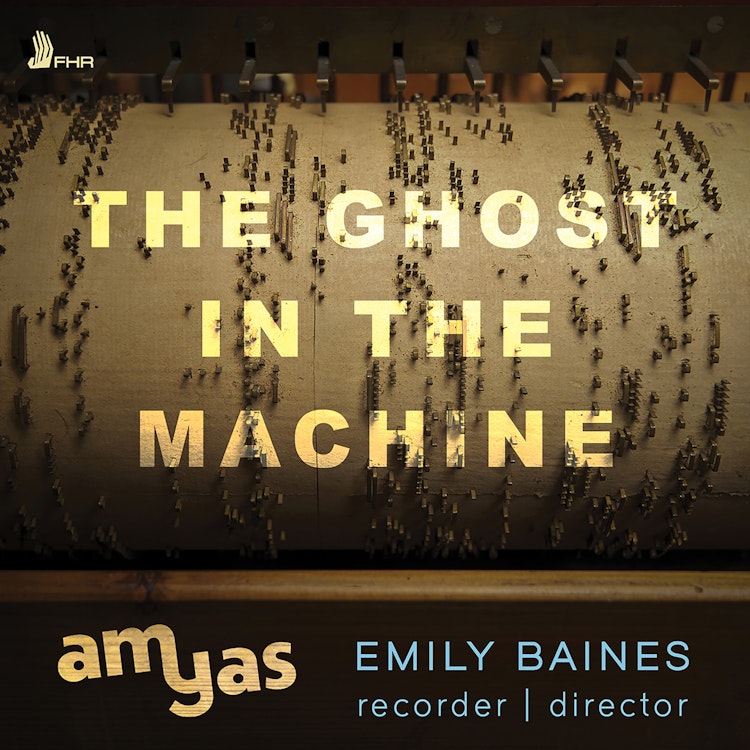
One of the principal sources for this recording is a clock made by Charles Clay, Clockmaker to His Majesty's Board of Works, in London in the 1730s.
Instruments
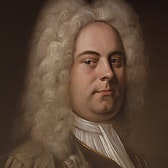
Charles Clay's clocks were advertised as containing music by Corelli, Geminiani, and Handel, and Handel's scribes' scores connect the clock tune arrangements directly back to Handel himself.
Historical Context
During the 18th century, there was a widespread fascination in Europe with the mechanical replication of real life, leading to the development of automata that imitated animals and people.
Compositional Technique
Performances on mechanical musical instruments from the 18th century reveal an abundant use of ornamentation, including types not habitually used today.
Performer Biography
Dr. Emily Baines, the recorder player and director, wrote her doctoral thesis on the role of mechanical musical instruments as sources for 18th-century performance practice.
Interpretation
This recording is centered around the performance style found in 18th-century English mechanical musical instruments like barrel organs and organ clocks.
Instruments
Another key source is a barrel organ made by Henry Holland, nephew and apprentice to George Pyke, which stands as a testament to Handel's enduring popularity, with over half its music being his.
You might also enjoy...
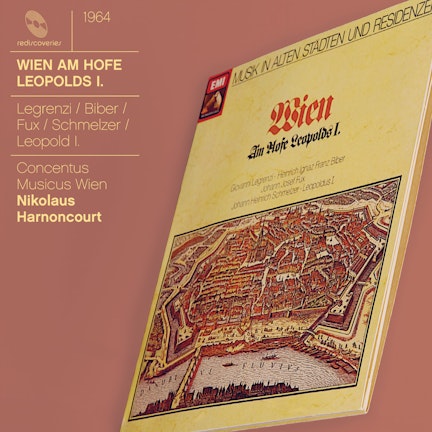
Wien Am Hofe Leopolds I
Bach: Sonate a cembalo obligato e traversiere solo
On a Cold Winter's Day - Early Christmas Music and Carols from the British Isles
Georg Philipp Telemann: Six Quatuors ou Trios 1733
Marcello, B.: Sonatas, Op. 2, Nos. 1-6
Platti: Sonates et trios
Corelli In London
A. Scarlatti: 7 Flute Concertos
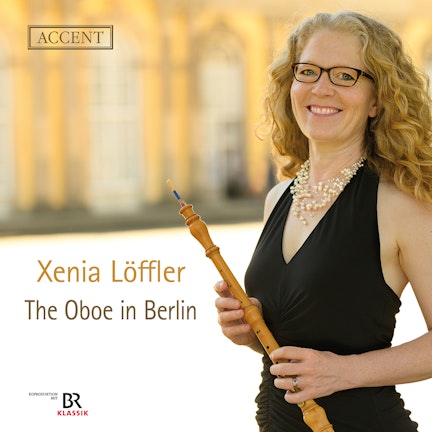
The Oboe in Berlin
Kreüsser: 6 Flute Quintettos, Op. 10
Telemann: Les Plaisirs de la table
Viola Da Gamba Recital: Dornenburg, John - Hume, T. / Sainte-Colombe, J. / Simpson, C. / Kuhnel, A. / Abel, C.F.