The word 'jazz' was first traced back to 1913, when it referred to any activity with 'life, vigor, energy, effervescence of spirit, joy, pep, magnetism, verve, virility, ebulliency, courage, happiness'.
Compositional Technique
For his orchestral work An American in Paris, George Gershwin auditioned authentic French taxi horns to obtain the right discordant pitches to depict the raucous noise of Paris traffic.
Composer Biography
Darius Milhaud, a member of the group 'les six', was a prodigiously prolific composer who wrote an opera lasting only seven and a half minutes and two string quartets playable independently or simultaneously as an octet.
Compositional Technique
The melody in An American in Paris, known to Gershwin as 'La Sorella (La Mattchiche)', has multinational roots, having traveled from a Brazilian opera to a Spanish zarzuela before becoming a rage in Paris.
Composition History
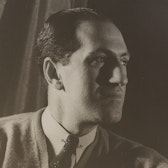
George Gershwin, born Jacob Gershowwitz to Russian immigrants, longed to be taken seriously as a 'legitimate' composer despite his huge celebrity in popular music.
Recording & Production
The two-piano version of An American in Paris on this recording includes additions from the orchestral score to fill in gaps, as Gershwin's original two-piano version was a try-out not intended for publication.
Historical Context
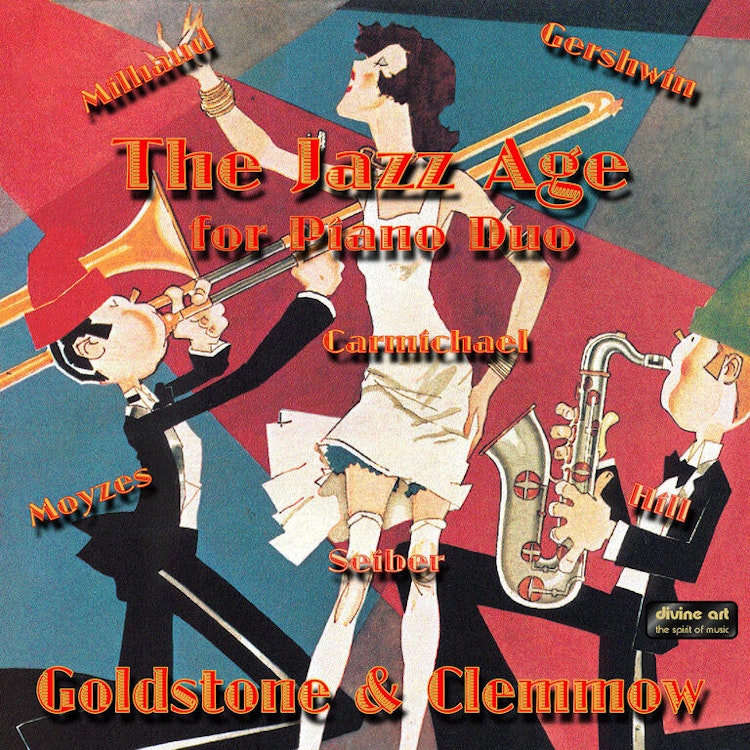
The term 'jazz age' refers to the 'anything goes' period in America after World War I, when jazz music flourished despite political turmoil, racial repression, and Prohibition.