The Russian seven-string guitar, used on this album, differs significantly from the Spanish guitar in construction, tuning, and technique, and was popular in Russia in the late 18th century.
Composition History
Glinka decided to compose his first Russian opera, "A Life for the Tsar," during a trip abroad to Italy, Austria, and Germany.
Historical Context
The title of Glinka's opera "A Life for the Tsar" was a quasi-patriotic choice due to the repressive atmosphere under Nicholas I, and was later changed to "Ivan Susanin" during Soviet times.
Performer Biography
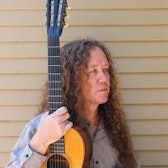
Oleg Timofeyev, a performer on this album, has dedicated his career to researching and reviving the nearly forgotten tradition of the Russian seven-string guitar, unearthing original manuscripts from archives.
Composer's Artistic Vision
Mikhail Glinka, the composer featured on this album, is considered the "Father of Russian National Music" and is compared to Shakespeare or Goethe for his impact on Russian culture.
Compositional Technique
Glinka's opera "Ruslan and Lyudmila" combined exotic and fantastic operatic traditions with elements of the Russian heroic epic, influencing later Russian composers like Balakirev, Borodin, and Rimsky-Korsakov.
Composer Biography
Glinka's first exposure to high-quality music was through his uncle's serf orchestra, a common practice in noble households of the time.
You might also enjoy...
La Mascarade - Music For Solo Baroque Guitar And Theorbo
Corbetta, F.: Varii Scherzi Di Sonate / Mantovana / Sinfonia / Folia (A Guitarist From Pavia Across Europe) (La Ghirlanda Mosicale)
Jonas Tamulionis - Selected Compositions For Guitars
Corbetta: La guitarre royalle
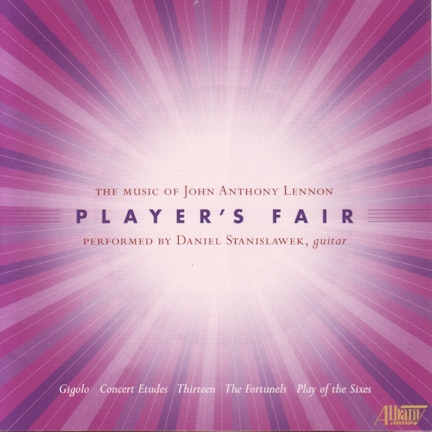
John Anthony Lennon - Player's Fair
Sortilegios
Fast Fantasy
European Renaissance & Baroque Music for Guitar
Krouse, I.: Labyrinth On A Theme of Led Zeppelin / Eagan, M.: Red, White, Black 'N' Blue / York, A.: Quiccan