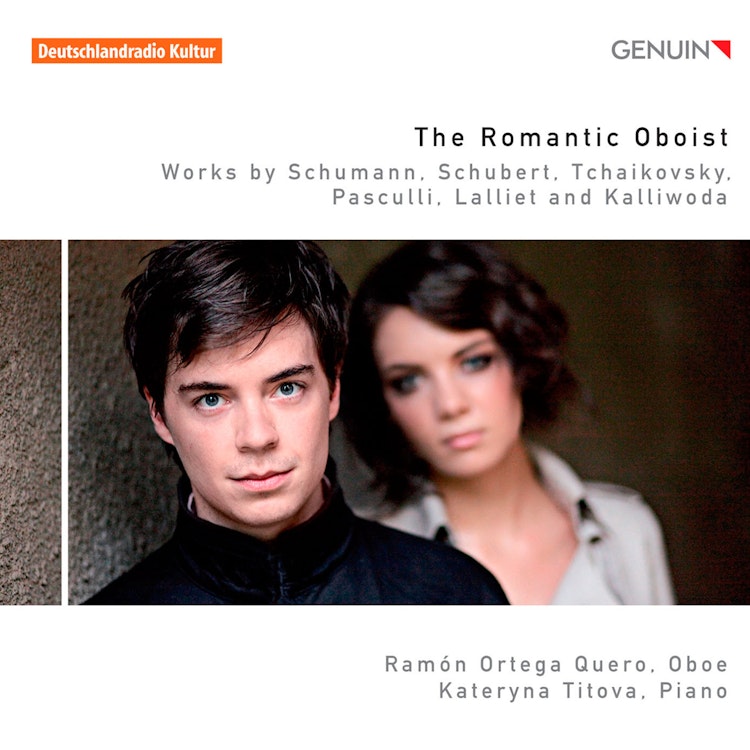
This album offers a journey through 19th-century Europe from the perspective of an oboist, featuring composers from Austria, Germany, Bohemia, France, Poland, Italy, and Russia.
Recording & Production
The album includes two transcriptions by Ramón Ortega Quero himself: Schubert's Impromptus, Op. 90/3, and Tchaikovsky's 'Lensky Aria' from Eugen Onegin.
Performer Biography
Ramón Ortega Quero, the oboist, won First Prize at the ARD Music Competition in Munich in September 2007, which launched his international solo career.
Interpretation
Ramón Ortega Quero, the oboist, chose to record Schumann's 'Drei Fantasiestücke' on the oboe rather than oboe d'amore, believing the oboe offers more brilliance and directness.
Composer Biography
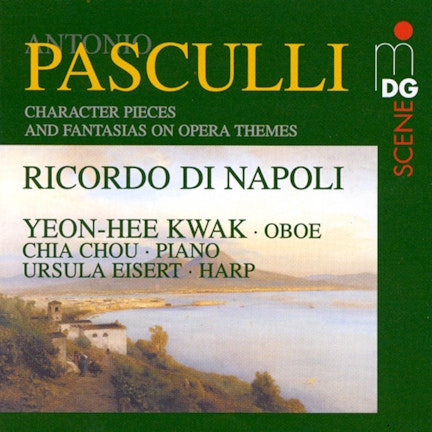
Antonio Pasculli, known as the 'Paganini of the oboe,' wrote works to challenge his own technique, similar to how Paganini did for violin or Liszt and Chopin for piano.
Historical Context
The 19th century was a time of rebellion and independence for composers, who moved away from patrons like kings and churches to express their intimate emotions and feelings.
Compositional Technique
Pasculli often arranged famous opera melodies for the oboe, creating variations in an original way, as seen in his 'Fantasia sull'opera Poliuto di Donizetti'.
You might also enjoy...
Madeleine Dring: Complete Works for Oboe
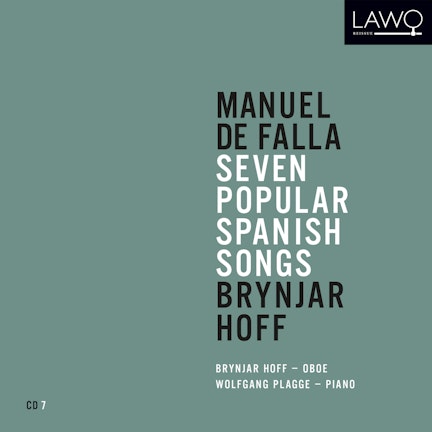
Manuel de Falla: Seven Popular Spanish Songs: Brynjar Hoff
Oboe Recital: Mayer, Albrecht – Faure, G. / Saint-Saens, C. / Pierne, G. / Pierne, P. / Satie, E. / Bozza, E. / Koechlin, C.
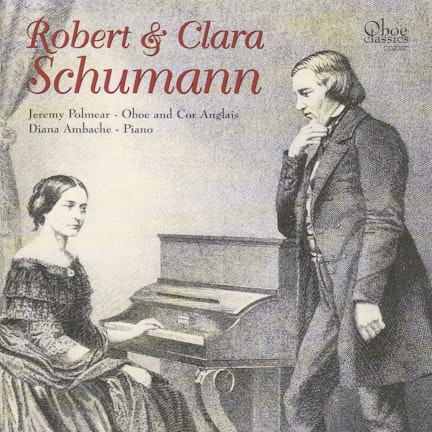
Robert & Clara Schumann
Bienvenue en France
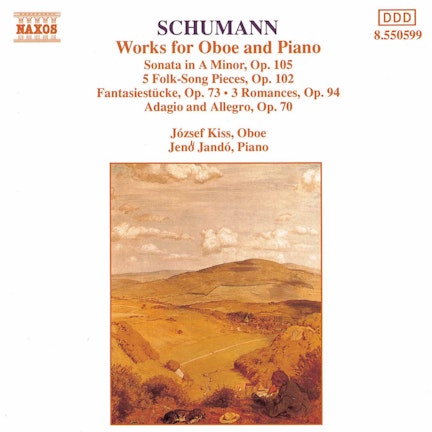
Schumann, R.: Works for Oboe and Piano
20th Century Polish Music for Oboe and Piano
Her Voice: Music for Oboe and Piano by Women Composers
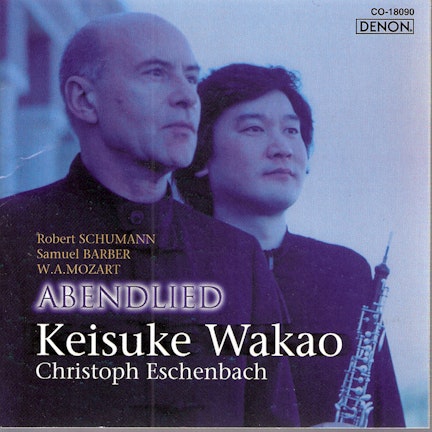
Abendlied: Music of Barber, Schumann & Mozart
Piper of Dreams – Ruth Gipps Chamber Music
Romanzen
The French Oboe
Pasculli: Character Pieces and Opera Fantasias for Oboe and Piano