Joseph Horovitz, born in Vienna, came to Britain at age twelve to escape the Nazis and later became a composition teacher at the Royal College of Music.
Composition History
Joseph Horovitz's Concerto for Euphonium, premiered in 1972, was a landmark work that made history for the euphonium as a solo concerto instrument.
Performer Biography
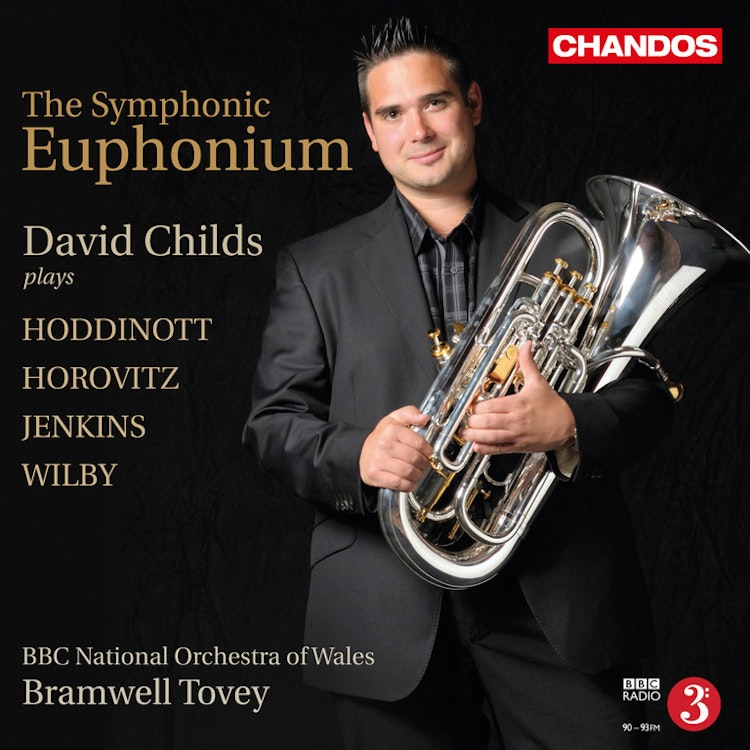
David Childs, the soloist on this recording, is the grandson and son of respected euphonium players from the Welsh Valleys and has premiered twelve euphonium concertos.
Compositional Technique
Joseph Horovitz described his approach to writing concertos as a musical journey, moving from 'head, to heart, and finally to the feet', with the first movement being the most cerebral.
Historical Context
In 1940, composer Denis Wright aimed to elevate the cornet to a respected solo orchestral instrument, challenging the perception of brass band instruments.
Historical Context
Ralph Vaughan Williams's pioneering Tuba Concerto in 1954 was a significant step in revealing the potential of low brass instruments, though widespread acceptance in concertos took nearly two decades.
Instruments
The word 'euphonium' comes from the Greek 'euphonia', meaning 'well sounding', and in orchestral circles, it is often called the 'tenor tuba'.
You might also enjoy...
Arne: 6 Favourite Concertos for Keyboard (English Orpheus 7)
Wesley Jr., Handel & Others: Organ Concertos
Mulsant, Liebermann & Others: Piccolo Concertos
Gitarrenkonzerte
Dittersdorf: Keyboard Concerto in A Major, Kr. deest
Giuliani: Guitar Concertos
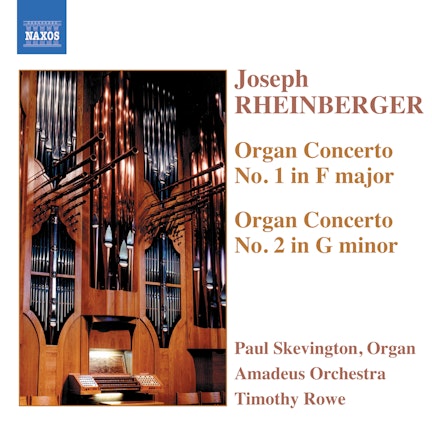
Rheinberger: Organ Concertos Nos. 1 and 2
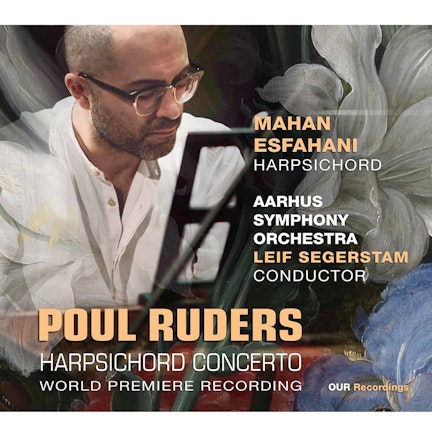
Poul Ruders: Harpsichord Concerto (Live)
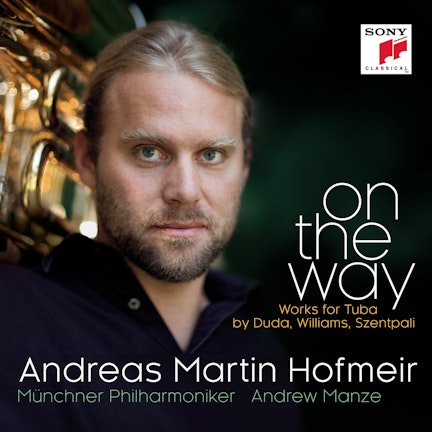
On the Way - Works for Tuba by Duda, Williams, Szentpali