Unlike pianola rolls, Welte piano rolls were the first to capture a pianist's 'live' performance, save it, and play it back on an instrument, including dynamic nuances and pedal activations.
Critical Reception
Debussy and Ravel were often compared, leading to disputes among critics about who was more original, with some even accusing Ravel of plagiarism.
Composer's Artistic Vision
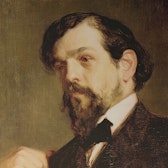
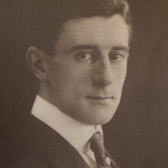
The Welte recordings of composers like Debussy and Ravel playing their own works are invaluable for understanding their personal interpretations.
Historical Context
Welte-Mignon player pianos, sold at exorbitant prices, were found in the music rooms of aristocracy and high society, as well as in grand hotels and ocean liner saloons.
Composer Biography
Both Debussy and Ravel initially aimed for careers as pianists, with Debussy having performed difficult Chopin works and Mendelssohn's Second Piano Concerto by age 17.
Recording & Production
This album is not a historical recording; instead, it uses modern recording techniques to reproduce original 1912 interpretations by Debussy and Ravel via the Welte-Mignon system.
Instruments
The Welte-Mignon player piano, invented in 1904, was a sensational device that could record and authentically reproduce the subtleties of a pianist's performance using perforated paper rolls.