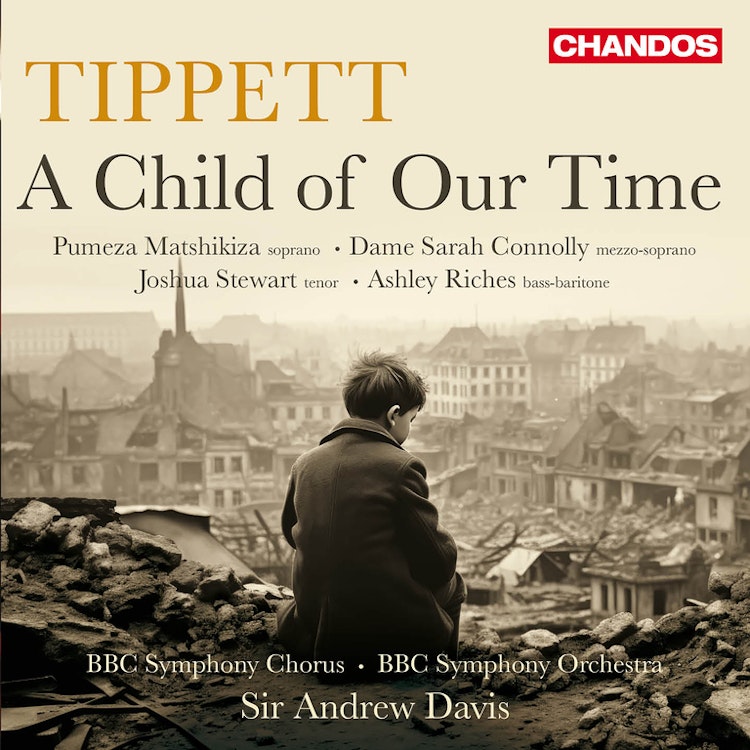
T.S. Eliot, whom Tippett considered his 'spiritual father', declined to write the libretto for A Child of Our Time, leading Tippett to write all his own opera libretti in later decades.
Composer's Artistic Vision
Tippett chose the oratorio form for A Child of Our Time because he felt opera was too dramatic for a contemplative treatment of brutality and political scapegoats, and oratorio offered both vivid drama and personal reflection.
Critical Reception
The creative use of spirituals in A Child of Our Time was initially controversial, with critics perplexed by the mixture of 'sophisticated and popular' elements in the score.
Composition History
Michael Tippett's oratorio A Child of Our Time was inspired by the Kristallnacht pogrom of November 1938, which was unleashed after a Polish Jew, Herschel Grynszpan, shot a German official in Paris.
Notable Performances
Herschel Grynszpan's father, whose son's actions inspired the oratorio, was in the audience for at least two memorable performances of A Child of Our Time in Haifa (1952) and Tel Aviv (1962).
Compositional Technique
Instead of traditional chorales, Tippett incorporated five African American spirituals into A Child of Our Time to reflect shared contemporary experiences and avoid specific religious connotations.
Compositional Technique
Tippett modeled the tripartite structure of A Child of Our Time on Handel's Messiah and drew inspiration from Bach's Passions, viewing Herschel Grynszpan as a 'protagonist of a modern Passion story'.
You might also enjoy...
Elgar: The Dream of Gerontius
Elgar: The Dream of Gerontius
Tavener: The Veil of the Temple
Elgar: The Apostles, Op. 49
Elgar: The Dream of Gerontius, Op. 38
Elgar: The Dream of Gerontius
Elgar: The Light of Life
Elgar: The Dream of Gerontius, Op. 38, Pt. 2: XIII. Softly and Gently "Angel's Farewell"