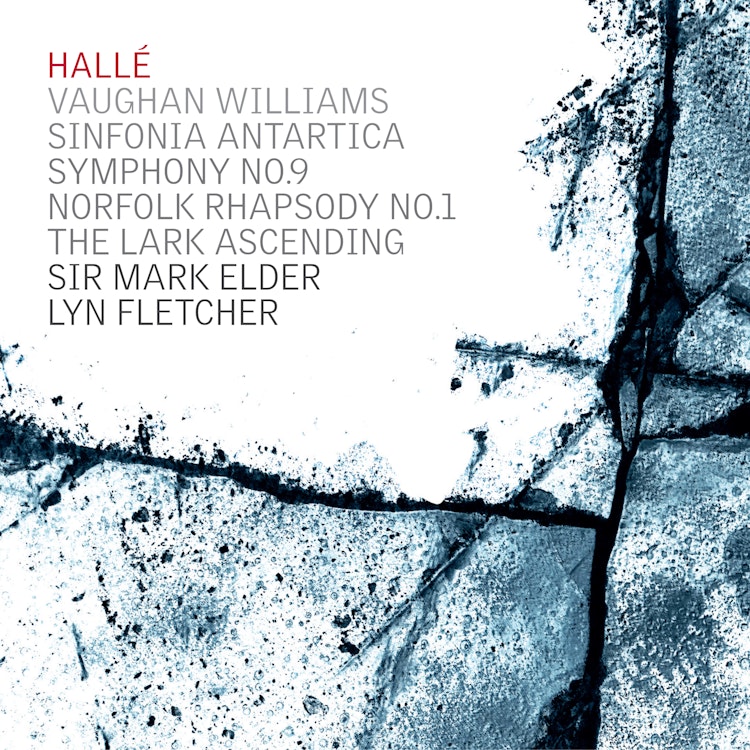
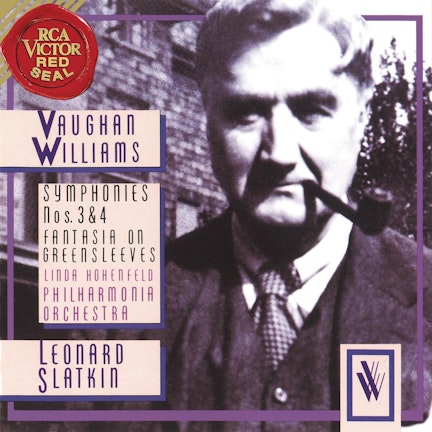
The Lark Ascending, a Romance for violin and orchestra, was composed in 1914 for Marie Hall but Vaughan Williams put it aside until after his service in the First World War.
Compositional Technique
The scoring of Sinfonia antartica is highly original, including a wordless solo soprano, a three-part women's chorus, organ, piano, and extensive tuned and untuned percussion.
Composition History
Vaughan Williams's Sinfonia antartica (Symphony No. 7) originated from his score for the 1948 film Scott of the Antarctic.
Compositional Technique
Vaughan Williams's Symphony No. 9 in E minor includes three saxophones and a flugelhorn, which the composer described as a 'beautiful and neglected instrument'.
Composition History
Vaughan Williams's Norfolk Rhapsody No. 1 is based on folk-songs he collected in East Anglia, having been inspired by Cecil Sharp's example.
Critical Reception
Vaughan Williams's Ninth Symphony was premiered just four months before his death and was initially 'widely dismissed as backward-looking'.
Composer's Artistic Vision
Vaughan Williams, who came from the radical Wedgwood and Darwin families, inherited a 'questing spirit' that is reflected in his art, including humanity's thirst to explore in Sinfonia antartica.