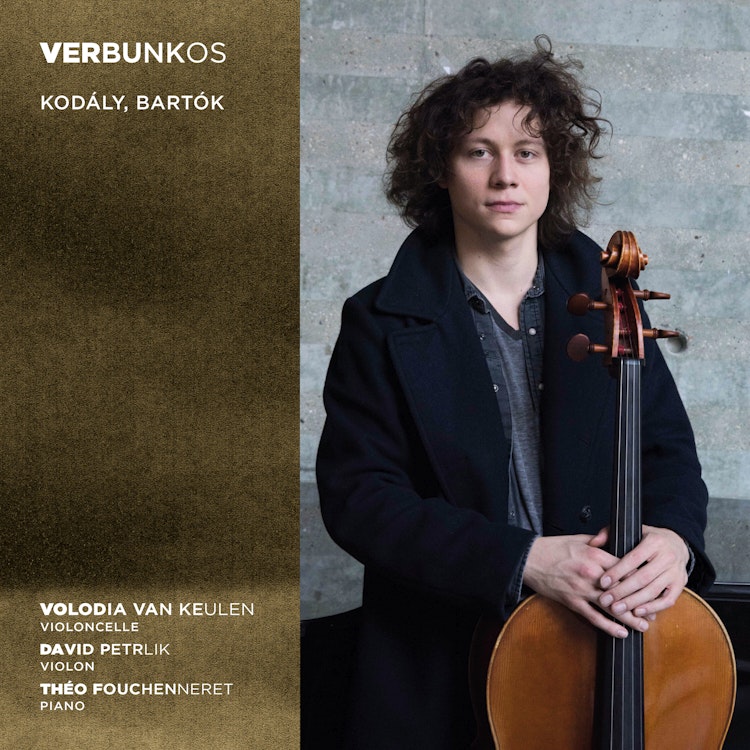
Béla Bartók's First Rhapsody for Violin and Piano (later transcribed for cello) was inspired by Kodály's discovery of old Verbunkos melodies.
Composer's Artistic Vision
Béla Bartók praised Kodály's ability to draw admirable sound effects from the cello, stating that all effects serve the precise expression of simple musical ideas.
Compositional Technique
Kodály's Cello Sonata, Op. 8, combines traditional architectures with the strophic structures of popular music, using a continuous process of variation.
Composer Biography
Kodály, like Bartók, collected peasant melodies and wrote a thesis in 1906 on "The Strophic Structure of Hungarian Folk Songs."
Compositional Technique
Bartók's First Rhapsody, like the traditional Verbunkos, follows a two-part structure: a slow section (Lassú) followed by a fast section (Friss).
Historical Context
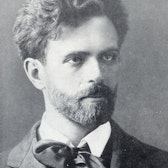
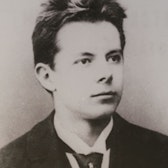
Zoltán Kodály and Béla Bartók were central figures in the emergence of a "Magyar modernity" in Hungary around the turn of the 20th century.
Compositional Technique
Kodály's Cello Sonata, Op. 8, requires a specific tuning where the lower strings are lowered by a semitone, altering the instrument's sonority and range.
You might also enjoy...
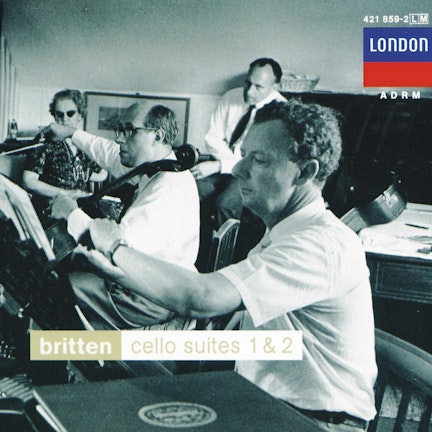
Britten: Cello Suites 1 & 2; Sonata for Cello and Piano