At the Ospedale della Pietà, Vivaldi's choir, which numbered around seventy musicians, could perform four-part choral writing by having female singers cover tenor and bass parts.
Critical Reception
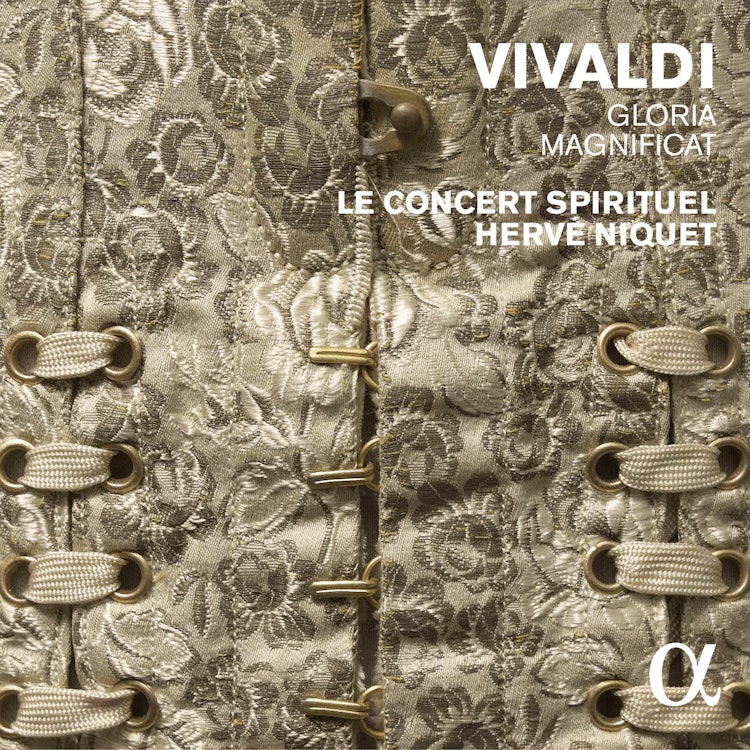
Vivaldi's Gloria RV 589, considered an 'emblematic' sacred vocal work, was introduced to modern audiences by Alfredo Casella in 1939.
Composer Biography
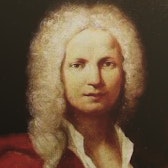
Unlike many great Italian violinist-composers of his time who produced little vocal music, Vivaldi aimed to be a 'universal' composer and wrote extensively for voice.
Composition History
Vivaldi's Magnificat exists in three distinct versions, including an early one for the Pietà, a later one with added oboes and optional double choir, and a final version commissioned in 1739 with elaborate solo arias.
Interpretation
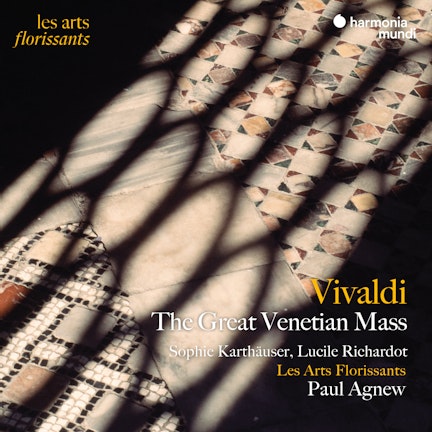
The performers on this album, Le Concert Spirituel, aim to revive the practice of performing Vivaldi's choral works with equal (female) voices, as was common in the 17th and 18th centuries.
Historical Context
Vivaldi's position at the Ospedale della Pietà, a Venetian orphanage for girls, meant he composed for an ensemble made up exclusively of female voices.
Composer's Artistic Vision
Vivaldi, a genius priest and educator, was able to combine moments of great tenderness with thundering, explosive choral sequences in his music.