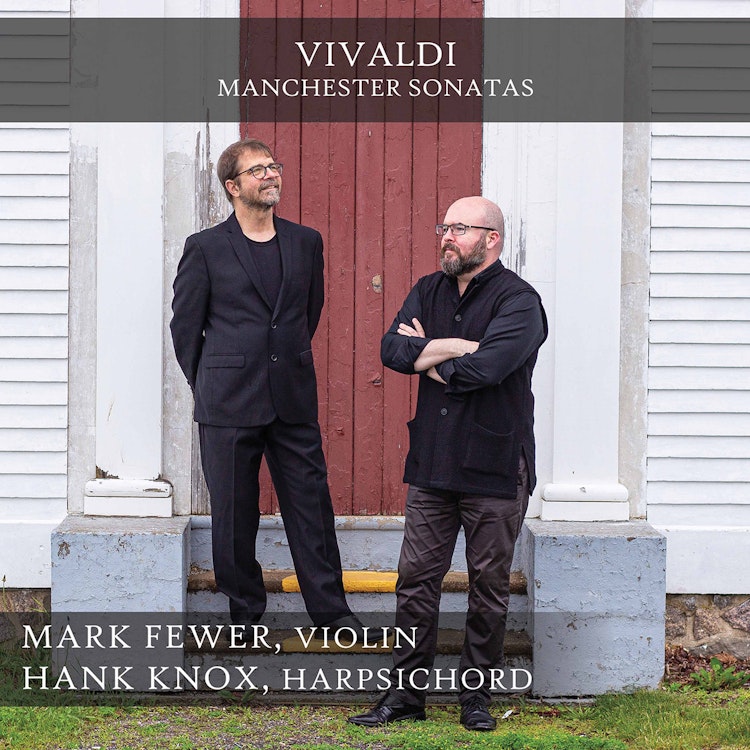
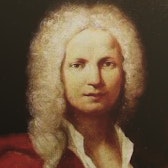
The Vivaldi 'Manchester' sonatas were only discovered in 1973 by musicologist Michael Talbot, despite being housed in Manchester's Henry Watson Music Library since 1965.
Compositional Technique
In these sonatas, the violin expresses multiple lines through compound melody, while the bass focuses on its harmonic role, resisting the Baroque tendency for motivic interplay.
Composition History
The 'Manchester' sonatas by Antonio Vivaldi, a collection of 12 works for violin and harpsichord, acquired their name through an extraordinary sequence of events, not a compositional connection to the city.
Compositional Technique
Like many collections of its time, the 'Manchester' sonatas contain both borrowed and newly composed music, with Vivaldi reworking pre-existing material to fit the new collection.
Interpretation
The bass line in the 'Manchester' score is rarely figured, giving the harpsichordist, Hank Knox, considerable interpretive freedom to improvise.
Composition History
These sonatas were part of Cardinal Ottoboni's private collection, a patron of the arts who also supported Arcangelo Corelli and Alessandro Scarlatti.
Compositional Technique
All but one of the sonatas follow the traditional slow-fast-slow-fast ordering of the sonata da chiesa, and all 12 feature a slow prelude followed by three dance movements, typical of the sonata da camera pioneered by Corelli.