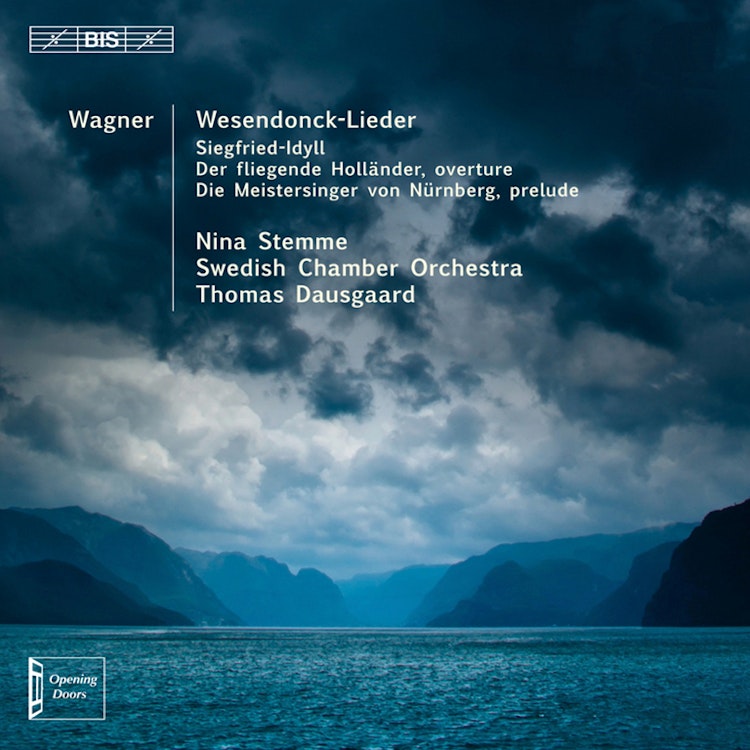
The Prelude to Die Meistersinger von Nürnberg was harshly criticized at its 1862 Leipzig premiere, with one reviewer calling it 'charmless, chaotic and incomprehensible' and 'a chaos, a shambles, nothing more.'
Composition History
The Siegfried-Idyll was composed by Richard Wagner as a birthday serenade for his second wife, Cosima, on December 25, 1870, and was first performed by an orchestra on the stairs of their home in Tribschen.
Performer Biography
Nina Stemme, a Swedish soprano, began her opera career as a choral singer and made her solo debut as Cherubino in Italy, later winning first prize in Plácido Domingo's Operalia Competition.
Composition History
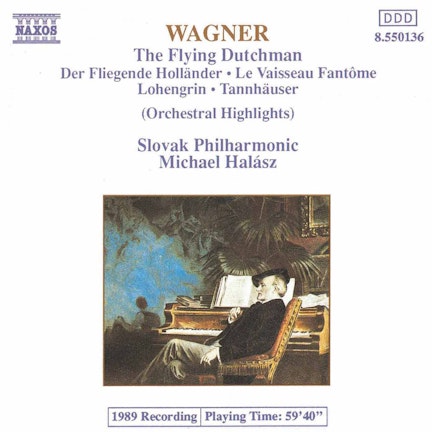
Richard Wagner began composing his opera The Flying Dutchman after a harrowing three-and-a-half-week sea voyage in 1839, during which his ship endured violent storms and sought refuge in a Norwegian harbor.
Composition History
Wagner's initial draft libretto for The Flying Dutchman was sold to the Paris Opéra, which then commissioned its resident composer, Pierre-Louis Dietsch, to set it to music, premiering as Le vaisseau fantôme in 1842.
Composer Biography
The Wesendonck-Lieder and Tristan and Isolde document Richard Wagner's forbidden love for Mathilde Wesendonck, the wife of his friend and patron, Otto Wesendonck.
Compositional Technique
Richard Wagner explicitly referred to two of the Wesendonck-Lieder, 'Im Treibhaus' and 'Träume,' as 'studies' for his opera Tristan and Isolde, anticipating its expressive sound world.
You might also enjoy...
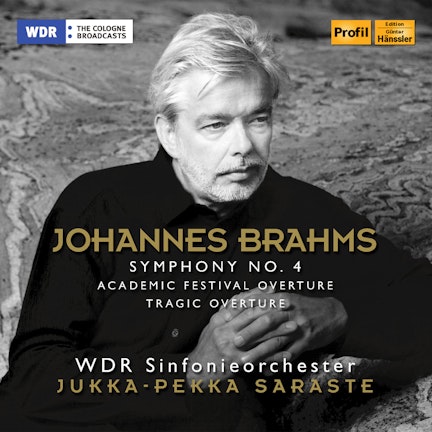
Brahms: Symphony No. 4 in E Minor - Academic Festival Overture - Tragic Overture
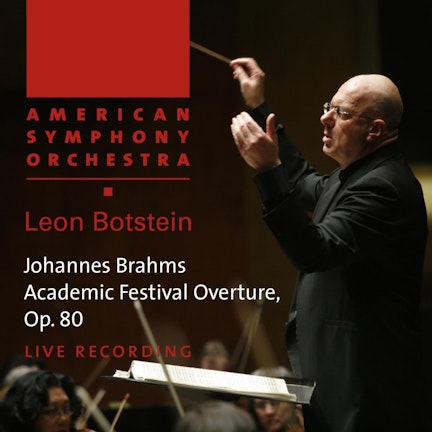
Brahms: Academic Festival Overture, Op. 80
Wagner: Favourite Overtures
Wagner: Orchestral Music
Wagner: Pieces From Tristan And Isolde/Lohengrin/Meistersinger/Parsifal/etc
Wagner: Orchestral Extracts/Bruckner: Symphony No 3
Johann Wilhelm Wilms: Symphony No. 6 op. 58 · Overtures