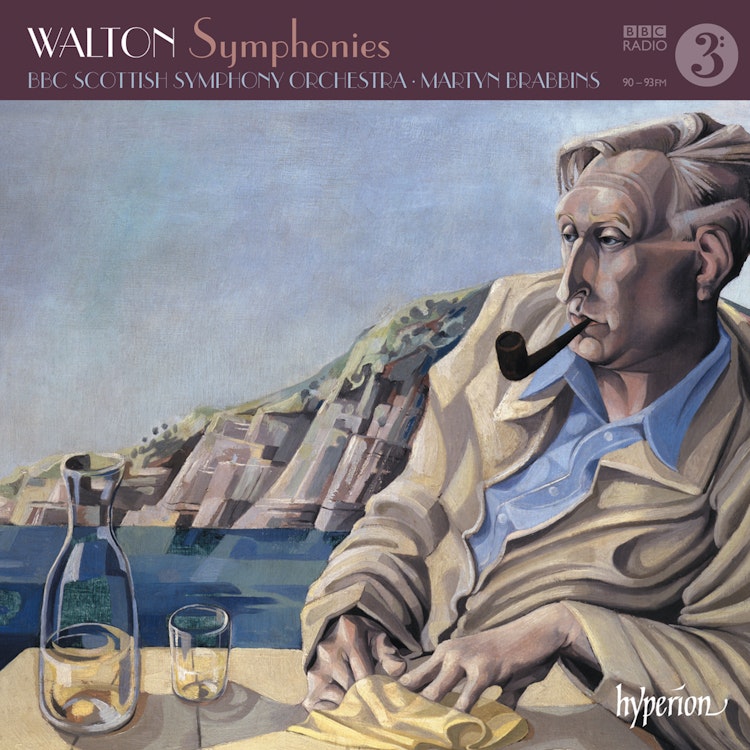
William Walton began composing his Symphony No. 1 at the request of Sir Hamilton Harty, conductor of the Hallé Orchestra, hoping to surpass composer Arnold Bax.
Critical Reception
Walton's Symphony No. 1 received an ecstatic reception and established him as a leading English composer, leading to a commission for King George VI's coronation.
Composer Biography
Walton prophetically stated in 1939, 'Today's white hope is tomorrow's black sheep,' and indeed, after World War II, he fell out of favor with critics who preferred Schoenberg's atonality.
Cultural Impact
Walton's five-minute orchestral piece Siesta was inspired by a romantic Siena night scene he witnessed, featuring mandolins, whistling, a flexatone, and dancing couples.
Compositional Technique
The Second Symphony features a more refined and exotic orchestration than the first, including instruments like vibraphone, piano, and celeste, which were absent in the earlier work.
Composition History
Walton's Symphony No. 2 was commissioned by the Liverpool Philharmonic Society to celebrate Liverpool's 750th anniversary, but its composition was delayed and met with lukewarm reception.
Composition History
The premiere of Walton's Symphony No. 1 was initially performed with only three movements because the composer struggled to complete the finale, partly due to writing his first film score.
You might also enjoy...
Elcock: Orchestral Music, Vol. 3
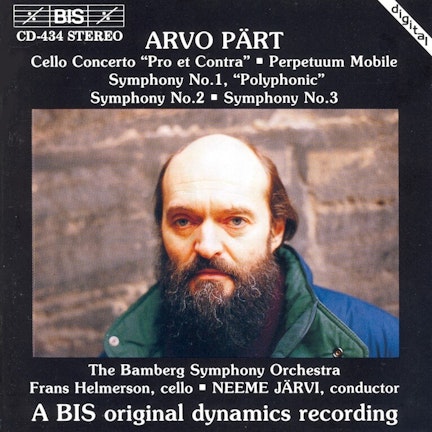
Part: Cello Concerto / Perpetuum Mobile / Symphonies No. 1, No. 2 and No. 3
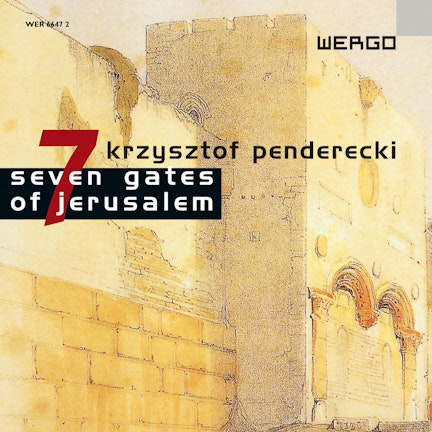
Krzysztof Penderecki: Symphony No. 7, "Seven Gates of Jerusalem"
Marsalis: Blues Symphony
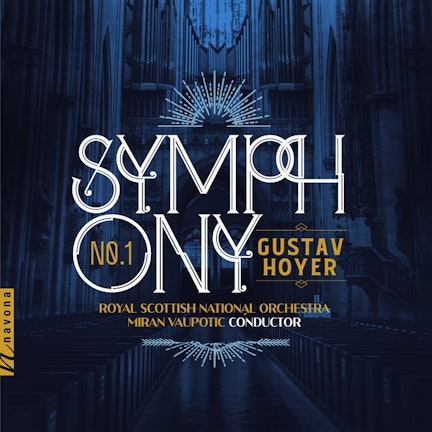
Gustav Hoyer: Symphony No. 1
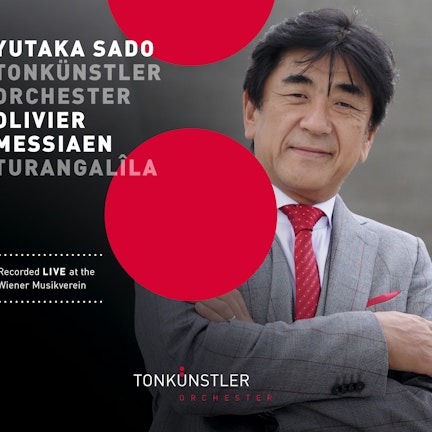
Messiaen: Turangalîla-symphonie, I/29 (Live)
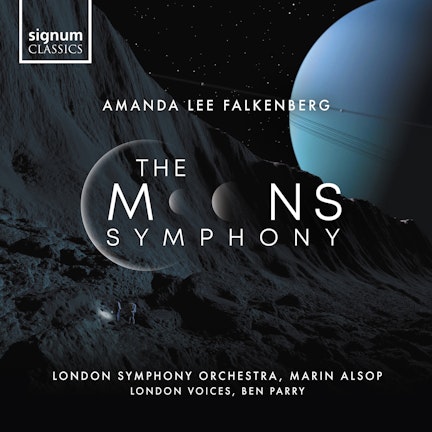
The Moons Symphony: VI. Ganymede Magnetic Forces and Colossal Discoveries