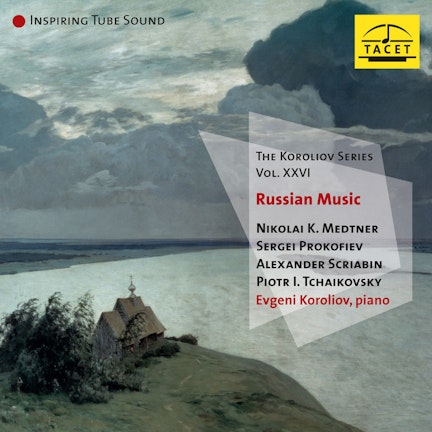
Prokofiev's three 'war' Sonatas (Nos. 6, 7, and 8) were officially seen as acts of resistance, allowing him to explore rhythmic and harmonic tensions while expressing his personal depression.
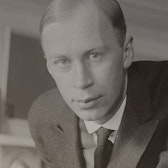
Composer Biography
Prokofiev's artistic approach was shaped by the trauma of World War I and the desire to participate in the promising future of the 1917 October Revolution.
Composition History
The Sixth Sonata, Opus 82, was inspired by Prokofiev's reading of Romain Rolland's biography of Beethoven, according to Prokofiev's second wife, Myra Mendelssohn.
Compositional Technique
Unlike many contemporaries, Prokofiev did not abandon classical rules or tonality, proving that violent dissonances could be composed within a C major key.
Compositional Technique
Prokofiev's piano writing is unique in its ability to suggest both the phrasing of strings and the percussiveness of timpani, treating the piano as one instrument among many in an imaginary orchestra.
Critical Reception
Prokofiev's Second Sonata was controversially described by a critic in 1914 as reflecting the "football generation" with something "stupid, inept and idiotic" about it.
Composer's Artistic Vision
Prokofiev believed that "without provocation there is no modernity," a philosophy he embodied by once wearing fluorescent yellow shoes on stage.
You might also enjoy...
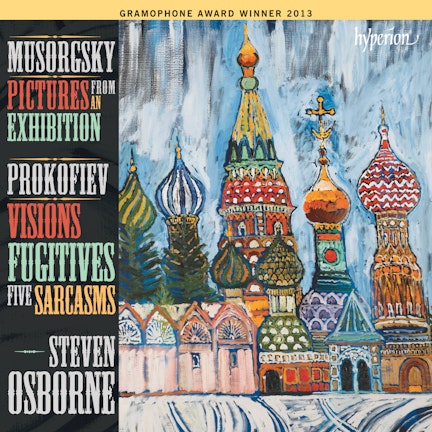
Mussorgsky: Pictures from an Exhibition; Prokofiev: Visions Fugitives & Sarcasms
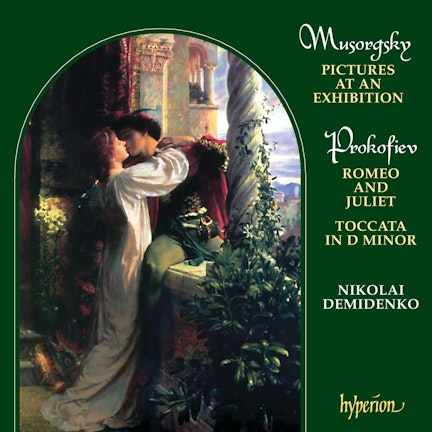
Mussorgsky: Pictures at an Exhibition – Prokofiev: 10 Pieces from Romeo & Juliet
Prokofiev/Scriabin: Piano Works
Prokofiev: Complete Piano Music Vol. 2
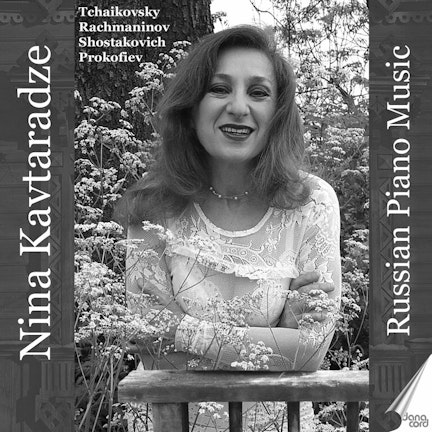
Russian Piano Music
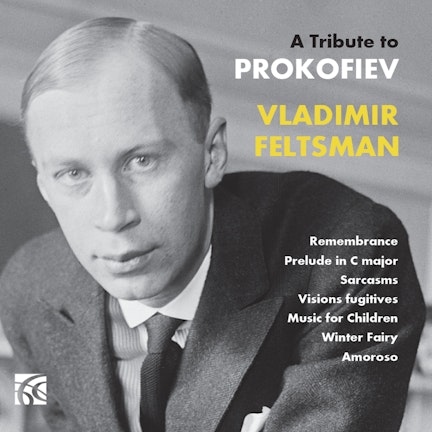
A Tribute to Prokofiev
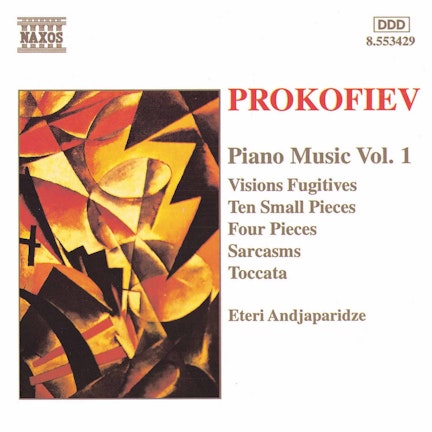
Prokofiev: Ten Small Pieces / Sarcasms / Visions Fugitives
Mussorgsky: Pictures at an Exhibition - 10 Pieces from Romeo and Juliet
Mussorgsky & Prokofiev
Mussorgsky: Pictures At An Exhibtion / Prokofiev: Romeo And Juliet
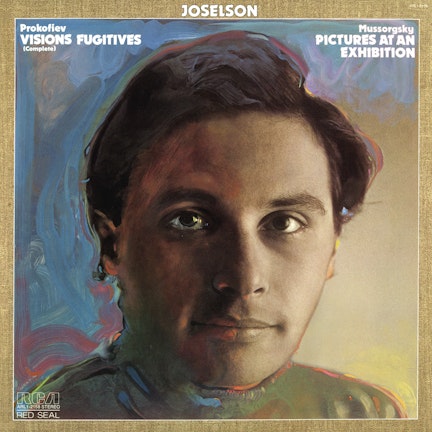
Prokofiev: Visions Fugitives, Op. 22 - Mussorgsky: Pictures at an Exhibition