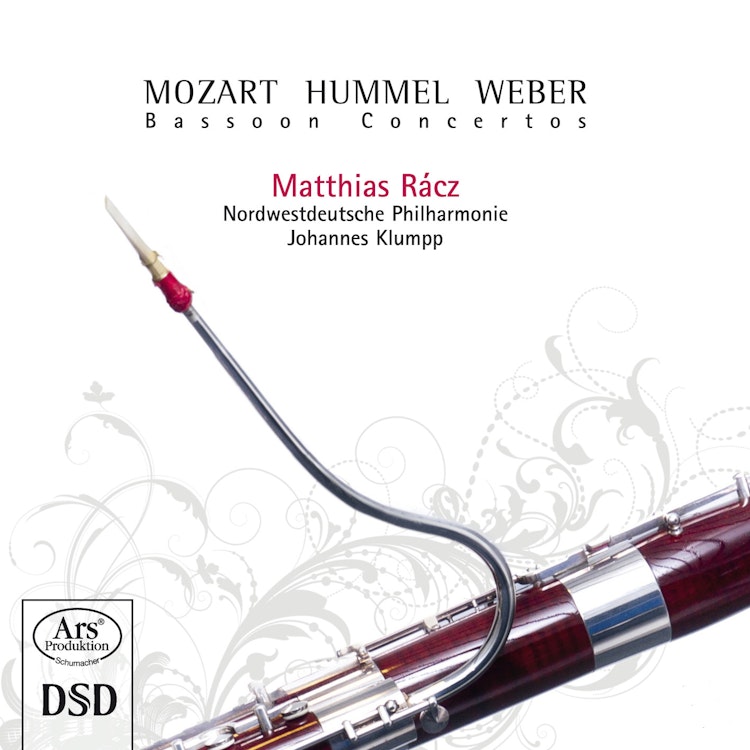
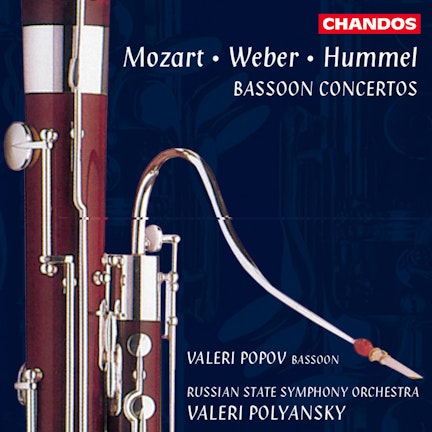
Carl Maria von Weber's Bassoon Concerto was written for the bassoonist Georg Friedrich Brandt, who had convinced Weber to compose for him after the success of his clarinet concertos.
Historical Context
The development of a new bassoon design around 1830 by Johann Adam Heckel likely contributed to the instrument's decline as a solo instrument for a period.
Composer's Artistic Vision
Mozart often composed instrumental works with a specific musician in mind, tailoring the piece to the performer's abilities and the instrument's possibilities.
Composer Biography
Johann Nepomuk Hummel, whose father was Kapellmeister at Schikaneder's theatre, lived in Mozart's household as an eight-year-old and received lessons from him.
Composition History
Carl Maria von Weber's 'Andante und Rondo Ungarese' for bassoon and orchestra was originally composed for viola and orchestra in 1809, then adapted for bassoon in 1813.
Historical Context
The bassoon concerto genre experienced its 'golden age' during the Baroque period, with composers like Vivaldi writing many works for the instrument.
Composer Biography
Wolfgang Amadé Mozart's Bassoon Concerto, completed in 1774 when he was 18, was his first concerto for a wind instrument.