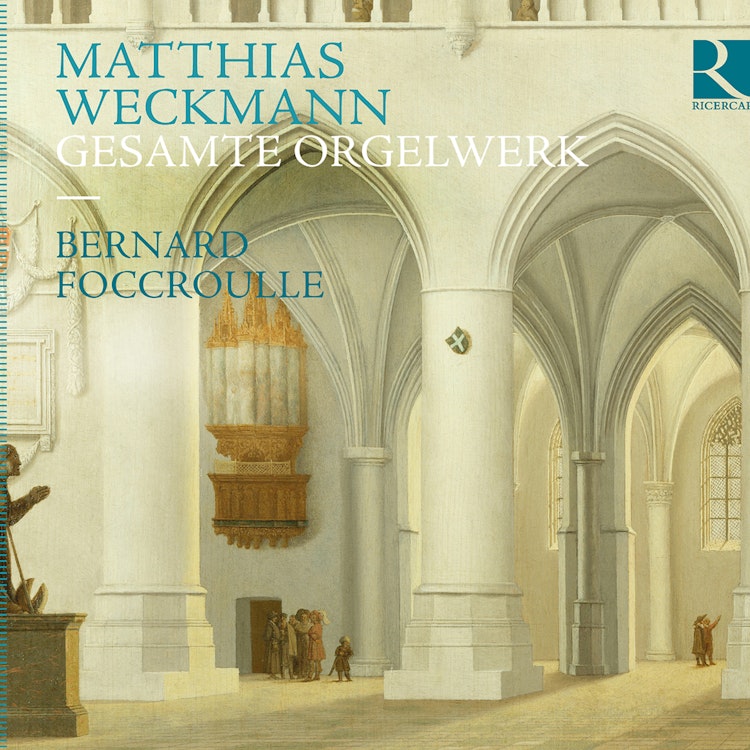
Weckmann's organ music is notable for its blend of serious counterpoint (stylus gravis) and ornamented style (stylus luxurians), influenced by his teachers Jacob Praetorius and Heinrich Scheidemann.
Composer's Artistic Vision
Many of Weckmann's organ works were composed in the spirit of musica poetica, using rhetorical figures to surprise the listener, increase tension, and highlight the meaning of words.
Composer Biography
Matthias Weckmann, born in Thuringia in 1616, began his musical studies at age twelve with Heinrich Schütz in Dresden.
Recording & Production
This recording features three different historical organs: the Stellwagen-Flentrop Organ in Hamburg, the Hus & Schnitger Organ in Stade, and the Schnitger Organ in Hollern.
Composer Biography
Weckmann was invited to Dresden in 1650 to compete against the celebrated Johann Jacob Froberger, the Emperor's harpsichordist, who declared Weckmann a true virtuoso.
Composer's Artistic Vision
The two major chorale cycles, Es ist das Heil uns kommen her and O lux beata trinitas, are among the longest Baroque organ works, each lasting about thirty minutes, and carry significant philosophical and theological weight.
Composer's Artistic Vision
Weckmann's O lux beata trinitas cycle is linked to the theories of Athanasius Kircher, a Jesuit scientist and music theorist, who developed the idea of a 'cosmic organ' in his 1650 treatise Musurgia Universalis.
You might also enjoy...
Reger: Organ Works, Vol. 4
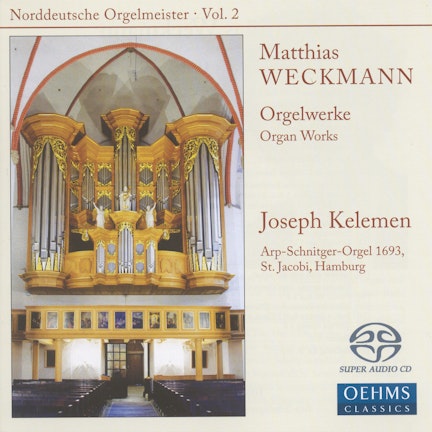
Weckmann: Organ Music
Malling: Paulus / Frelserens Syv Ord Paa Korset
Widor: Symphony No. 5 (Organ of Westminster Cathedral)
Reger: Das gesamte Orgelwerk, Vol. 2
Victorian Gems
Reger: Organ Works, Vol. 16
Reger, M.: Organ Works, Vol. 4
Reger: Complete Organ Works, Vol. 4
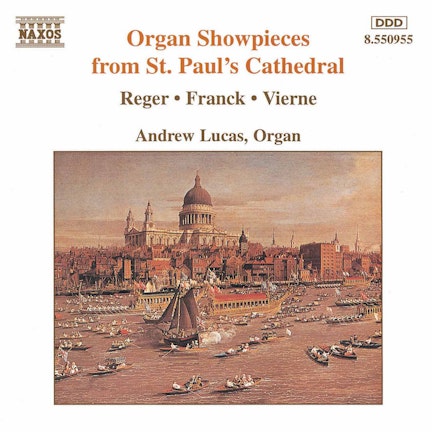
Organ Showpieces From St. Paul's Cathedral
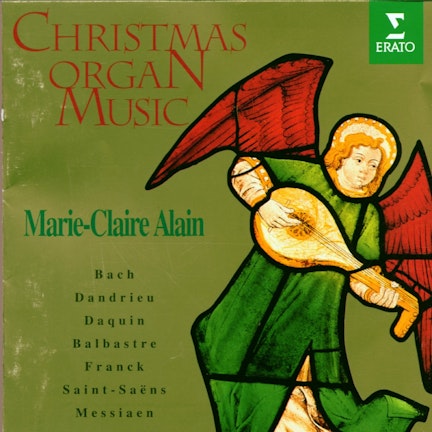
Christmas Organ Music
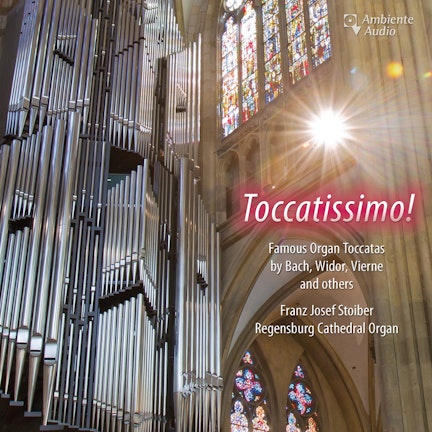
Toccatissimo! Famous Organ Toccatas
Messiaen: Organ Works Complete
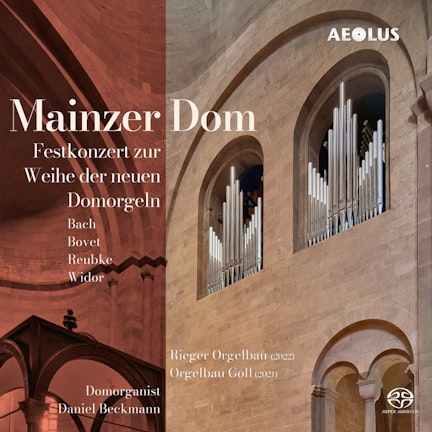
Mainzer Dom - Festkonzert zur Weihe der neuen Domorgeln