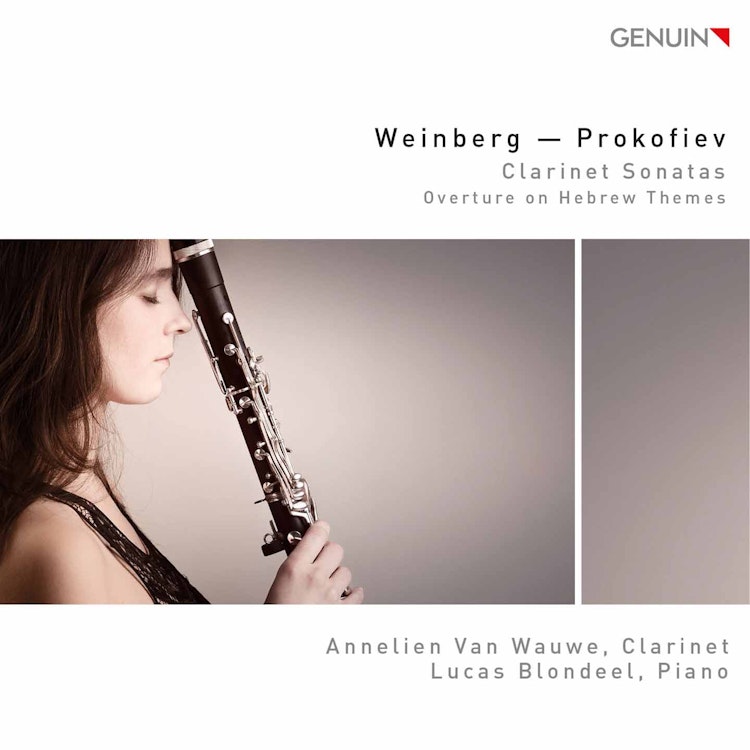
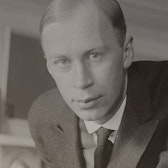
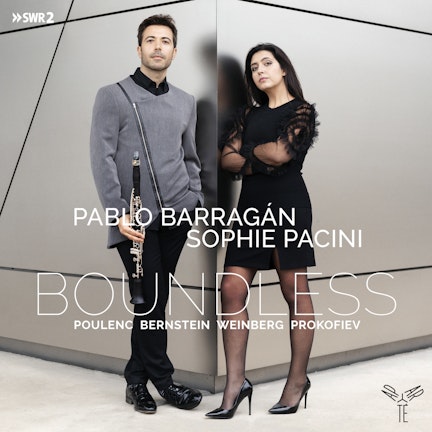
Sergei Prokofiev's death on March 5, 1953, coincided with Joseph Stalin's, causing his passing to go largely unnoticed due to national mourning.
Composition History
Prokofiev's Sonata for Flute and Piano, Op. 94, was composed during the war years, a relatively happy time for him, and reflects no tragedy despite the ongoing conflict.
Compositional Technique
Weinberg's Clarinet Sonata, Op. 28, incorporates elements of Klezmer music in its Allegretto movement and features a melody resembling a Kaddish, the Jewish prayer for the dead, in its final Adagio.
Composer Biography
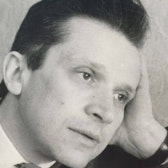
Mieczysław Weinberg's first encounter with Dmitri Shostakovich in 1943 in Moscow marked the beginning of a mutually respectful relationship and warm friendship.
Composer Biography
Mieczysław Weinberg, born in Poland to Jewish parents, fled German invasion in 1939 and later the Soviet Union in 1941, ultimately losing his entire family in the Holocaust.
Composition History
Prokofiev's Overture on Hebrew Themes was composed for the Ensemble Zimro, a group founded in St. Petersburg in 1918 to perform music collected by the Society for Jewish Music.
Composition History
Prokofiev composed his Overture on Hebrew Themes using two melodies from the Ensemble Zimro's repertoire: a Moldavian wedding tune and a Yiddish farewell song.
You might also enjoy...
Traceur: American Music for Clarinet & Piano
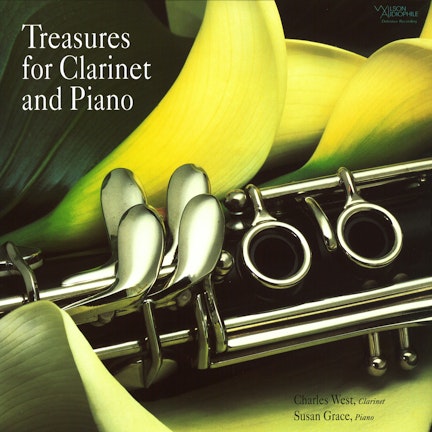
Treasures for Clarinet & Piano
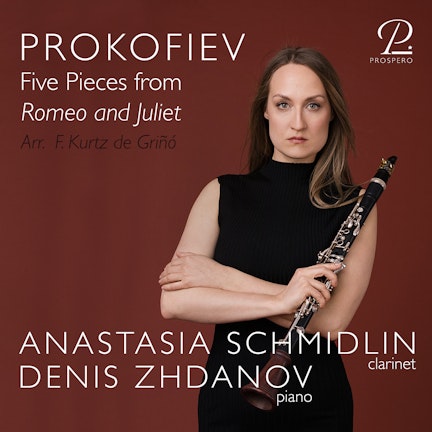
Prokofiev: Five Pieces from “Romeo and Juliet” (Arr. for Clarinet & Piano by Federico Kurtz de Griñó)
Horovitz: Two Majorcan Pieces for Clarinet and Piano
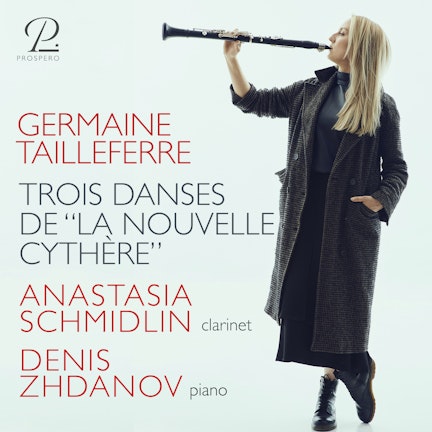
Tailleferre: Trois danses de "La Nouvelle Cythère", for Clarinet and Piano
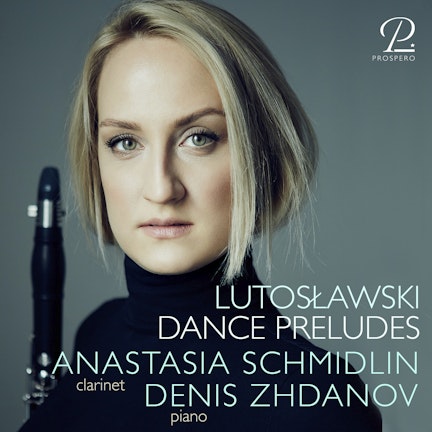
Lutoslawski: Dance Preludes for Clarinet and Piano
Arnold: Sonatina for clarinet and piano, Op. 29
Poulenc: Clarinet Sonata, FP 184 - Françaix: Theme et variations for Clarinet & Piano
Prokofiev: Suites from Cinderella and Romeo & Juliet