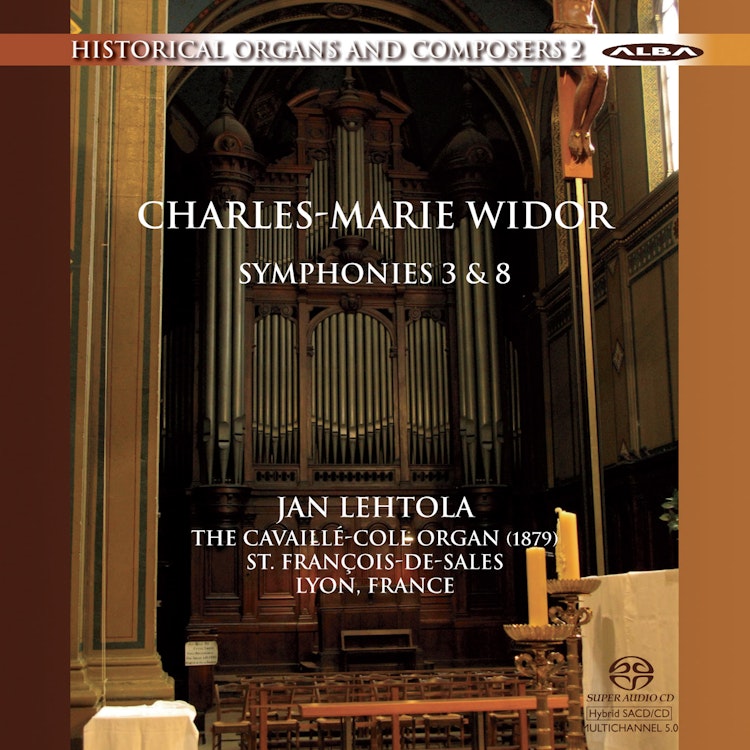
Charles-Marie Widor's organ symphonies combine musical texture with the organ's vast expressive potential, aiming for a grand, homogeneous sound known as 'symphonic organ style'.
Instruments
The Cavaillé-Coll organ at St. François-de-Sales in Lyon, built in 1879, is valued for its poetic expressiveness and its soloistic registers are considered superior to those of other Cavaillé-Coll organs.
Composer Biography
Charles-Marie Widor, a prolific composer, was appointed head organist of St. Sulpice Church in Paris on Aristide Cavaillé-Coll's recommendation and remained there for 63 years.
Instruments
Aristide Cavaillé-Coll, a leading organ builder, is considered to organists what Stradivarius is to violinists or Ferrari to racing drivers.
Compositional Technique
Widor's ten organ symphonies are divided into three groups, with the later groups showing increased attention to the organ's orchestral potential and more systematic thematic forms.
Historical Context
The French Revolution of 1792 led to cultural decline and the destruction of many church organs, negatively impacting organ playing technique and composition.
Recording & Production
This recording is part of a CD series dedicated to historical organs and composers, aiming to present works in an idiomatic environment, sounding as the composer intended.
You might also enjoy...
James Cook: Olympus and Apollo
Mendelssohn: Orgelsonate in B-Dur, Op. 54, Nr. 4
Dupré: In memoriam
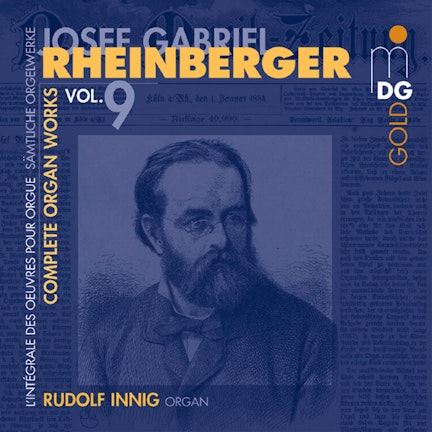
Rheinberger: Complete Organ Works Vol. 9
The Pope Benedict Organ
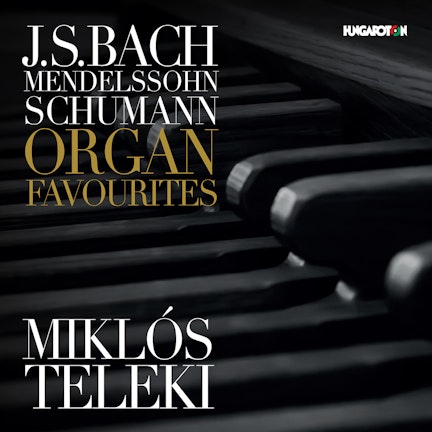
Bach, Mendelssohn & Schumann: Organ Favorites
Midnight Sessions at the Royal Albert Hall
I Will: Finnish Wedding Music
Form and Function
Jeffrey Nytch: I Was Glad
Music in the Times of Breakthrough
Rheinberger: Complete Organ Works Vol. 6
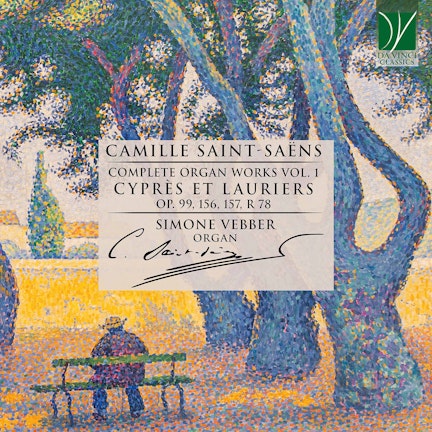
C. Saint-saëns: Complete Organ Works Vol. 1: Cyprès et Lauriers