Wind Band Music - Hindemith, P. / Holst, G. / Grainger, P. / Schwantner, J. (Trendsetters)
1/28/2010, 13 Tracks, 56:14
Featuring
Harlan D. Parker
Peabody Conservatory Wind Ensemble
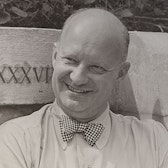
Paul Hindemith
Gustav Holst
Joseph Schwantner
Percy Grainger
Did you know?
1/7
Compositional Technique
Joseph Schwantner's "...and the mountains rising nowhere" calls for 46 different percussion instruments played by six players, along with tuned water goblets, whistling, and singing.
Critical Reception
Hindemith's Symphony in B flat convinced other first-rank composers, including Giannini, Persichetti, Creston, and Hovahness, that the band is a legitimate medium for serious music.
Composition History
Paul Hindemith's Symphony in B flat for Concert Band was composed at the request of Lt. Col. Hugh Curry, leader of the United States Army Band.
Composer's Artistic Vision
Percy Aldridge Grainger, a composer whose first love was the wind band, believed it was an unrivaled vehicle for deeply emotional expression.
Critical Reception
Gustav Holst's First Suite in E flat for Military Band, written in 1909, is generally regarded as the cornerstone of British concert band works.
Notable Performances
Paul Hindemith's Symphony in B flat had its premiere in Washington, D.C. on April 5, 1951, with the composer himself conducting.
Composer's Artistic Vision
In Lincolnshire Posy, Percy Aldridge Grainger aimed to create a musical portrait of each folk singer's personality and singing habits, rather than just using folk songs as a basis for his own compositions.
You might also enjoy...
Audibles
Angels Rising: Music of Remembrance and Light
Trittico
Playing With Fire
Maslanka: Garden of Dreams
Symphony No. 5
Above and Beyond (Live)
Collage - A Celebration of the 150th Anniversary of the Peabody Institute, 1857-2007
Transformations
Horns for the Holidays
Armenian Dances
Monumental Works for Winds
Tveitt / Rautavaara / Sallinen / Alfven / Nielsen / Schmidt: Works for Wind Orchestra