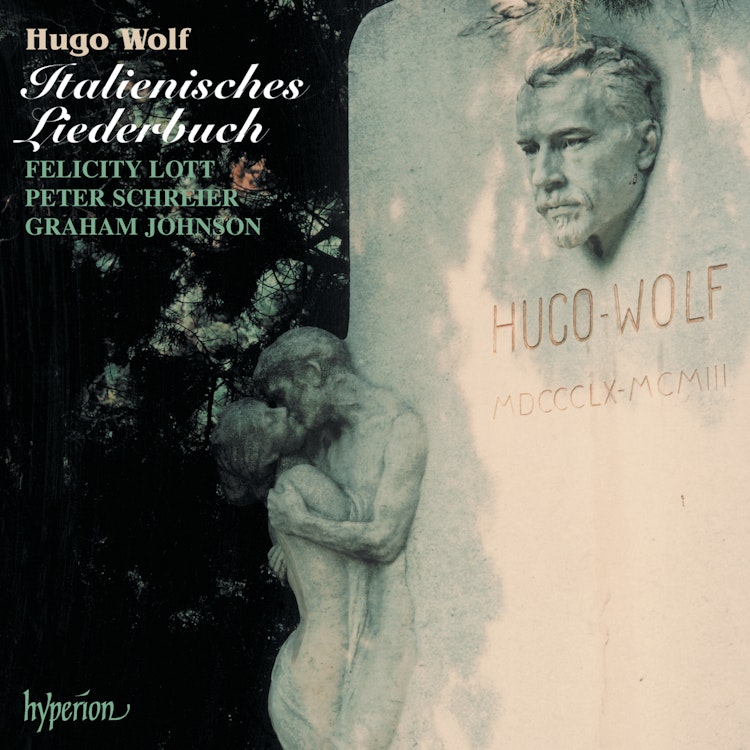
Wolf intended for the listener to be led deep into the poetry with minimal distractions, believing a staged or costumed performance of the Italienisches Liederbuch would reveal nothing that couldn't be heard in the music.
Composer's Artistic Vision
Hugo Wolf's Italienisches Liederbuch combines Italian folk earthiness with German art song traditions, moving away from monumental German literature to embrace a 'miniaturist' approach.
Compositional Technique
Wolf provided an extensive list of detailed instructions, including metronome marks, for his songs in the Italienisches Liederbuch, more than any other composer, to ensure his artistic intentions were followed.
Compositional Technique
The Italienisches Liederbuch uses tiny and subtle musical devices and inflections to mirror the intense human activity of an Italian village, creating music of 'explosive power' despite its modest dimensions.
Interpretation
Because Wolf never heard both parts of his Italienisches Liederbuch together, and there was no established performing tradition during his lifetime, later performers have had freedom in deciding the order of the songs.
Composer Biography
Hugo Wolf was a meticulous and demanding composer, often clashing with publishers over pagination and with singers, whom he considered 'mostly stupid,' for not adhering strictly to his detailed instructions.
Composition History
The Italienisches Liederbuch is actually two separate works, with Book I completed in 1891 and Book II in 1896, separated by greater stylistic differences and time than Schubert's Winterreise.
You might also enjoy...
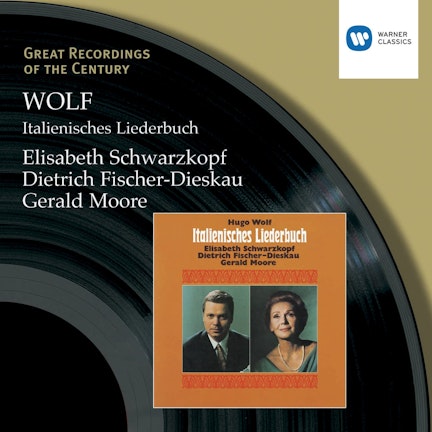
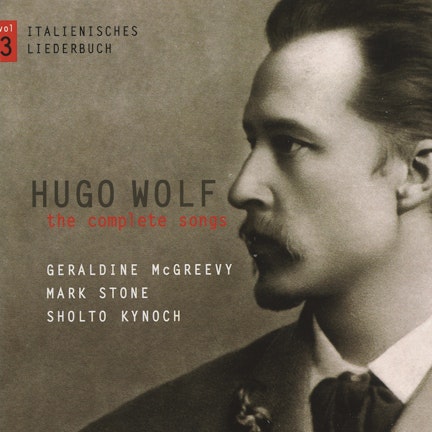
Wolf: Italienisches Liederbuch
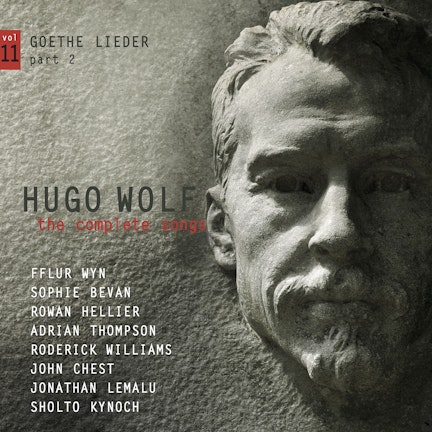
Hugo Wolf: The Complete Songs, Vol. 11 – Goethe Lieder, Pt. 2