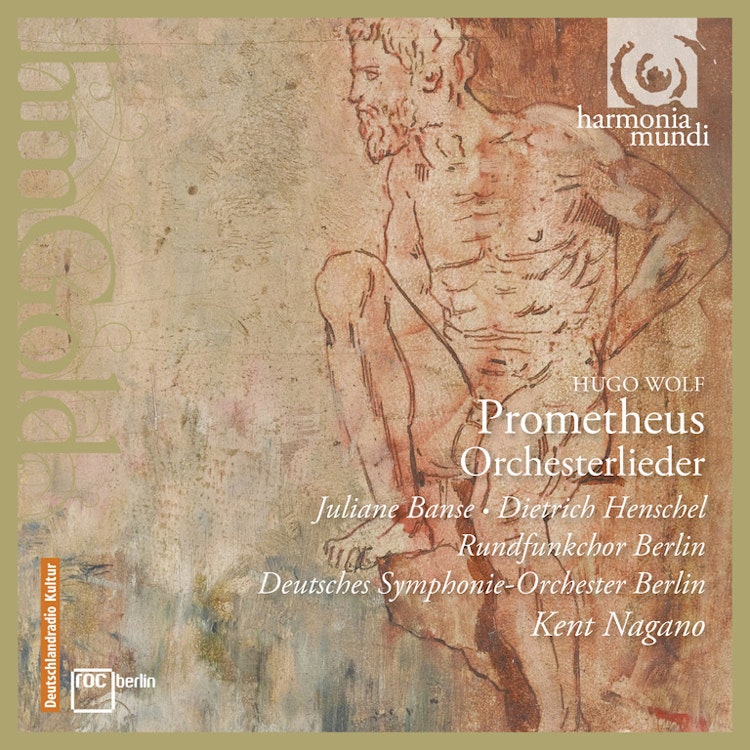
Many of Wolf's orchestral songs are based on poems that their authors placed within a larger narrative context, such as Goethe's Wilhelm Meisters Lehrjahre or Mörike's Maler Nolten.
Composition History
Hugo Wolf orchestrated 24 of his approximately 300 lieder, with a few sketches remaining unfinished.
Cultural Impact
Wolf's orchestral lieder are considered an independent aesthetic genre, midway between epic and opera, and contributed significantly to the history of music's path towards modernity.
Composer's Artistic Vision
Wolf's decision to orchestrate certain lieder was driven by an aesthetic consistency, choosing those that "cried out for orchestral colours" and possessed scenic qualities.
Compositional Technique
Wolf used a wide range of instrumental forces for his orchestral lieder, from small chamber ensembles to full operatic forces with chorus, depending on the piece's character.
Composition History
Wolf re-orchestrated two of his lieder, Mignon and Anakreons Grab, after accidentally leaving five of his scores on a Viennese tram.
You might also enjoy...
Wolf: Orchesterlieder
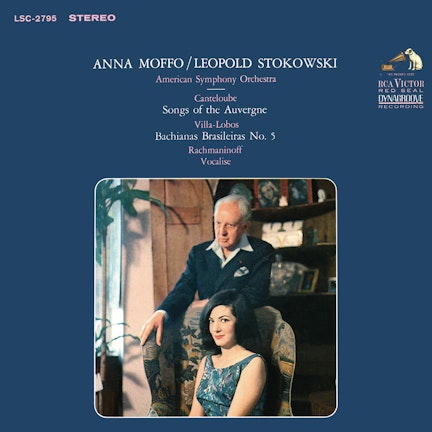
Anna Moffo sings Canteloube: Songs of the Auvergne; Villa-Lobos: Bachianas Brasileiras No. 5; Rachmaninoff: Vocalise
Liszt: Orchestral Songs
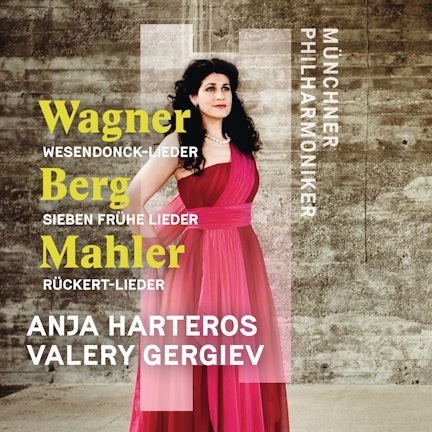
Wagner, Berg, Mahler: Orchesterlieder
Hans Sommer: Orchestral Songs
Rimsky-Korsakov: Mozart and Salieri / Songs / Glinka: Songs