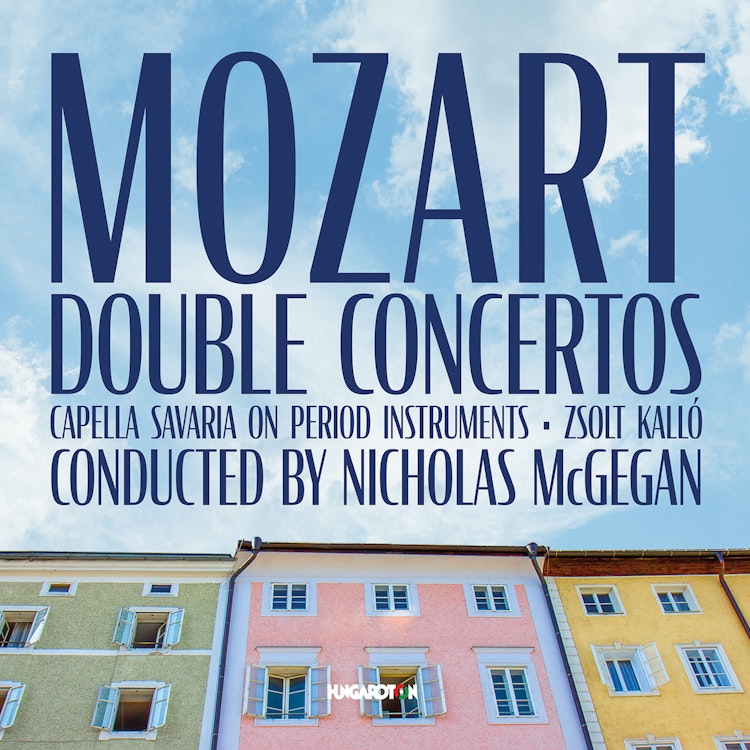
This album features a fragment of Mozart's Concerto for Violin, Piano and Orchestra in D major, K.Anh.56/315f, completed by Robert D. Levin, who first undertook the completion in 1968 as part of his undergraduate thesis.
Composer's Artistic Vision
Mozart constructed his movements from complex architectural models, using a large number of themes not for variety, but to clarify structure and create a narrative.
Compositional Technique
In Mozart's Sinfonia Concertante in E-flat major, the solo viola part was originally written a semitone lower in D major, with instructions for the soloist to tune the viola a semitone higher to achieve an E-flat sound, a technique called 'scordatura'.
Composition History
Mozart likely encountered the sinfonia concertante genre during his 1777-78 journey to Paris, stopping in Mannheim where composers like Carl Stamitz favored the form.
Performer Biography
Nicholas McGegan, the conductor, has a discography of over a hundred recordings, with more than 50 dedicated to the works of Handel.
Critical Reception
The Canadian Opus Magazine described Capella Savaria, the ensemble on this recording, as 'one of Europe's best ensembles'.
Instruments
Capella Savaria, the chamber orchestra on this recording, was founded in 1981 as Hungary's first period-instrument ensemble, playing authentic 18th-century instruments or their copies.
You might also enjoy...
Haydn:
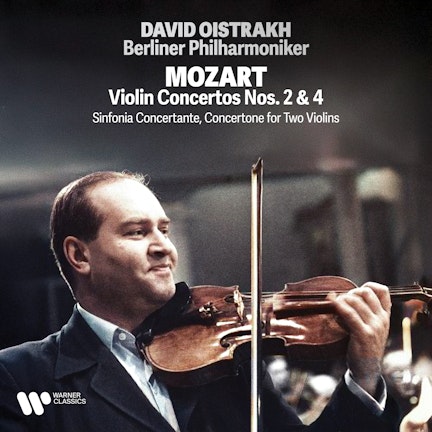
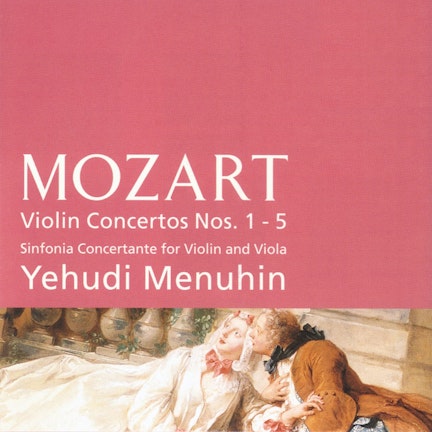
Mozart: Violin Concertos Nos. 2 & 4, Sinfonia concertante & Concertone for Two Violins (Remastered)
Mozart: Violin Concerto No. 5 / Mendelssohn: Violin Concerto in D Minor
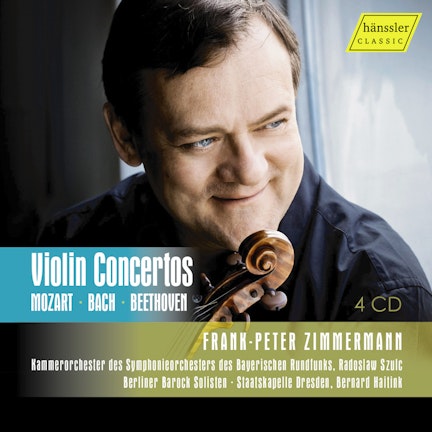
Frank-Peter Concertos
Mozart: Works for Violin & Orchestra (Live)
Mozart:Violin Concertos 4 & 5 /Rondos/Adagio
Mozart:Violin Concertos 4 & 5 /Rondos/Adagio
Mozart: Violin Concertos Nos. 2 & 5 and Sinfonia concertante
Haydn, J.: Violin Concerto in G Major / Haydn, M.: Violin Concerto in B-Flat Major / Mozart: Adagio