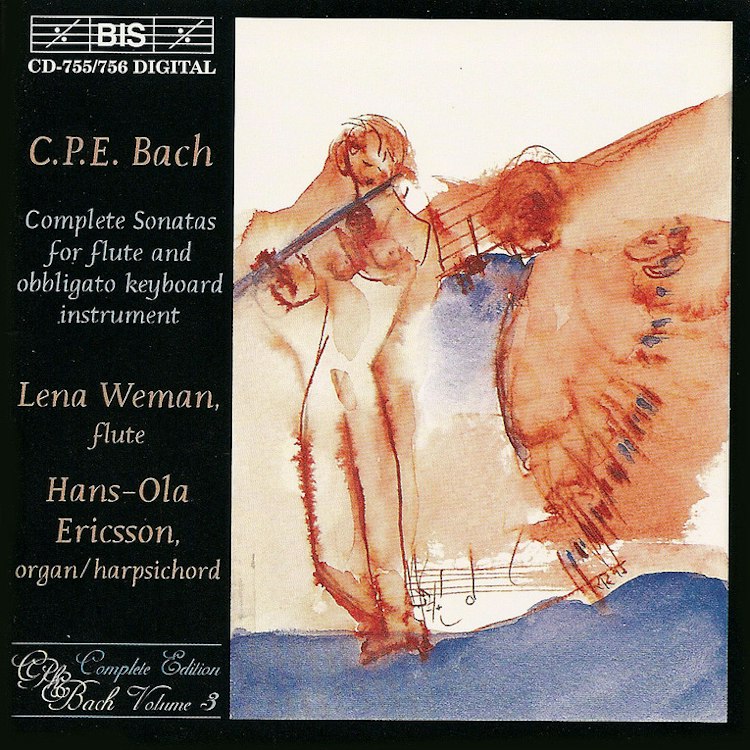
Bach, C.P.E.: Complete Sonatas for Flute and Obligato Keyboard Instrument
2/28/1997, 33 Tracks, 2:21:13
Featuring
Lena Weman
Hans-Ola Ericsson
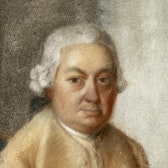
Carl Philipp Emanuel Bach
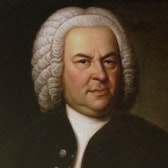
Johann Sebastian Bach
Anonymous
Did you know?
1/7
Cultural Impact
Carl Philipp Emanuel Bach's textbook, 'Versuch über die wahre Art, das Clavier zu spielen' (The True Art of Playing the Keyboard Instruments), was enormously popular in its time and remains an important source for historical performance practice.
Historical Context
Frederick the Great, Carl Philipp Emanuel Bach's employer, was a skilled flautist and composer who preferred a conservative musical style, favoring the flute music of Johann Joachim Quantz.
Composer Biography
Carl Philipp Emanuel Bach, son of Johann Sebastian Bach, initially studied law at university for seven years, making a living as a musician and composer, before deciding to devote his life to music at age 24.
Compositional Technique
Carl Philipp Emanuel Bach's keyboard compositions are revolutionary, often favoring the expressive clavichord over the harpsichord, and are noted for their 'empfindsamer Stil' (emotional style).
Composer Biography
Carl Philipp Emanuel Bach served as harpsichordist for Frederick the Great, the Crown Prince of Prussia (later King Frederick II), for almost 30 years, starting in 1738.
Recording & Production
The organ used for this recording is the Kjersgaard organ in the Freemasons' Hall in Uppsala, chosen for its tonal characteristics that make it an equal partner in the trio sonatas.
Composer's Artistic Vision
Carl Philipp Emanuel Bach's experimental style was not appreciated by Frederick the Great, who found Bach's integrity and unwillingness to compromise difficult to accept.