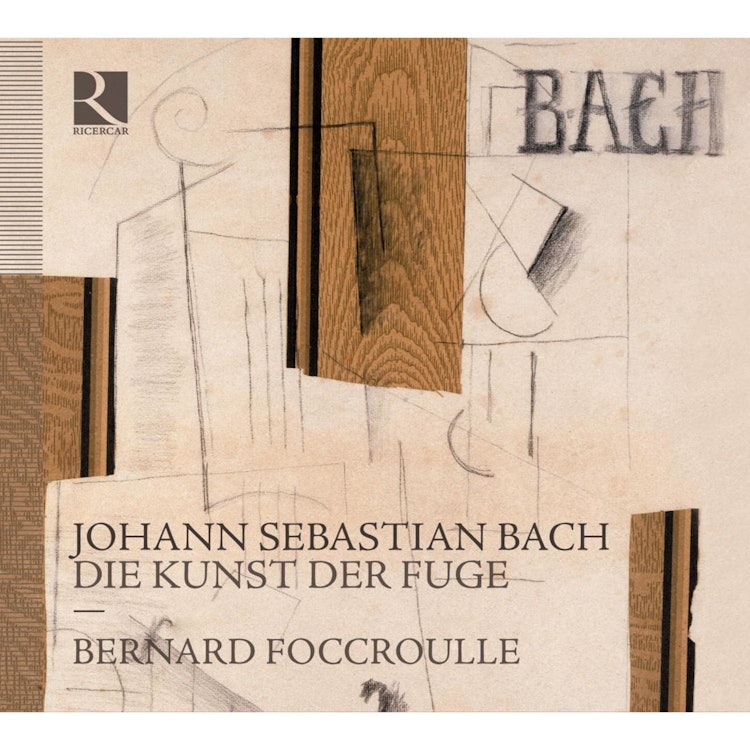
The cover art for this album features Georges Braque's "Violon Bach" (1912), a charcoal and collage piece from the Kunstmuseum Basel.
Composer Biography
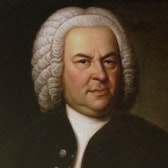
J.S. Bach frequently used the number 14 as a coded signature in his works, derived from the numerical value of the letters in his name (B=2, A=1, C=3, H=8).
Compositional Technique
The Art of Fugue uses the B-A-C-H motive (B flat, A, C, B natural) as a signature, which brings an expressive and subjective chromaticism that disturbs the tonal order.
Interpretation
For this recording, Bernard Foccroulle chose to present the final Contrapunctus 14 in both its unfinished version and a completed version he arranged, allowing the listener to choose.
Instruments
The organ used for this recording was built by Dominique Thomas for the Temple du Bouclier in Strasbourg, inspired by 18th-century central German instruments, particularly one by Heinrich Gottfried Trost in Waltershausen (1730).
Critical Reception
The initial publication of The Art of Fugue in 1751 and 1752 was a commercial failure, selling only a few dozen copies, as Bach's contemporaries found the music 'outdated' compared to the galant style.
Composition History
J.S. Bach's The Art of Fugue is an unfinished work, and he was working on its publication at the time of his death, giving it a testamentary dimension.
You might also enjoy...
E. Power Biggs plays Historic Organs of France
Barocke Orgelmusik aus Frankreich
Briegel: Zwölff madrigalische Trost-Gesänge & Fugen durch die 8 Kirchentöne
The Art of Fugue
Barocke Orgelmusik aus Frankreich
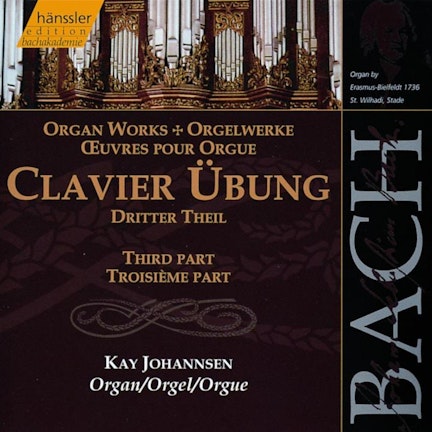
Bach: Clavier-Übung III
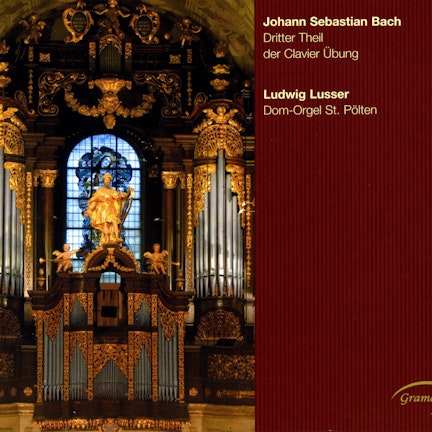
J. S. Bach: Dritter Theil der Clavier Übung
J.S. Bach: Dritter Theil der Clavier-übung
J.S. Bach: Clavier übung, Dritter Theil
Bach - Clavier-Übung III
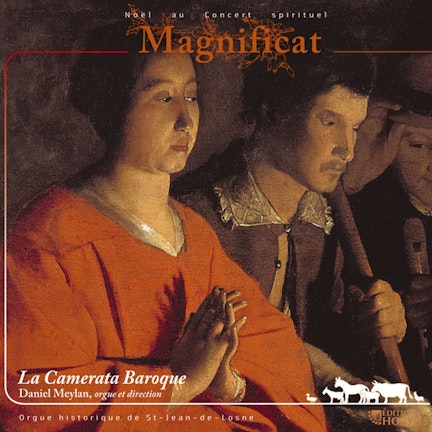
Magnificat, Noël au concert spirituel
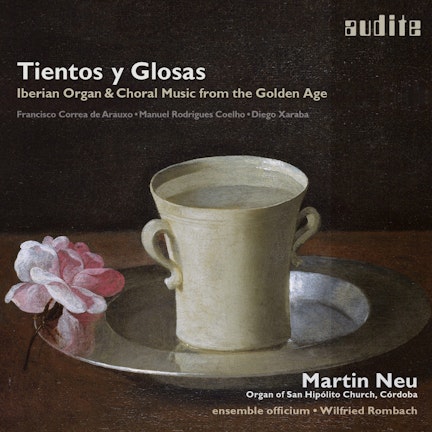
Tientos y Glosas
Buchner: Plectrum musicum, Op. 4 (Excerpts)
Coelho: Flores de musica pera o instrumento de tecla, & harpa, Volume 1