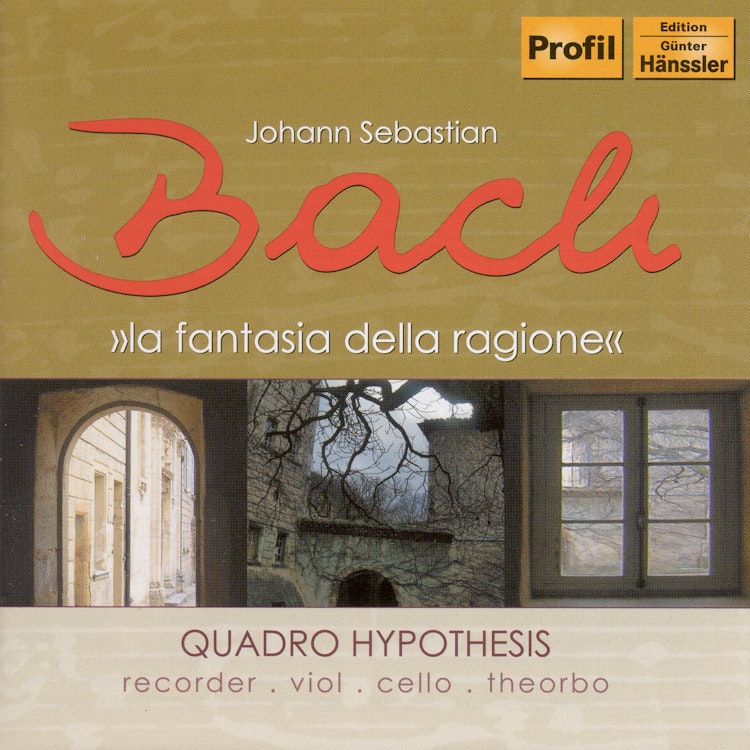
The Hypothesis Ensemble's Bach recordings focus on three-part compositions, transcribed for a "broken consort"—an ensemble of instruments from different families, highlighting their distinct timbres and playing techniques.
Critical Reception
The authorship of the Sonata BWV 1037 is debated among scholars, with some attributing it to Johann Sebastian Bach and others to his pupil Johann Gottlieb Goldberg, for whom Bach wrote the famous variations in 1742.
Composition History
Bach's Trio Sonatas BWV 525-530 were composed for teaching purposes, specifically to prepare his eldest son, Wilhelm Friedemann Bach, to become a great organist.
Composer's Artistic Vision
The Baroque era viewed music as "speech in notes," where a soloist's performance was structured according to rhetorical rules.
Composer Biography
Mozart, who initially only knew Johann Christian Bach, Johann Sebastian's son, discovered the elder Bach's compositions in 1782, leading him to a deep appreciation for the fugue.
Historical Context
In the 17th century, Western culture began to recognize music's unique ability to move and touch listeners, leading to theories that music could be as, or even more, persuasive than words.
Compositional Technique
The small changes made to the original music for these transcriptions were common practice in both Bach's and Mozart's eras, aiming to enhance the melodic instruments' potential and emphasize differences from the original chordal instrument.
You might also enjoy...
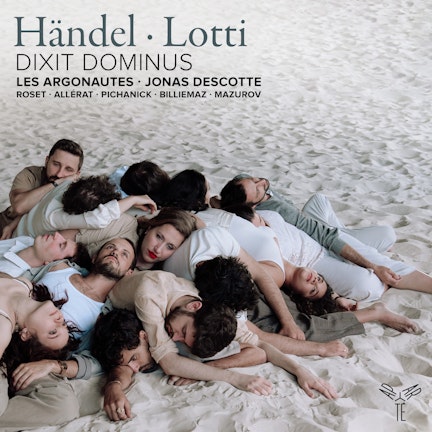
Dixit Dominus - Händel, Lotti
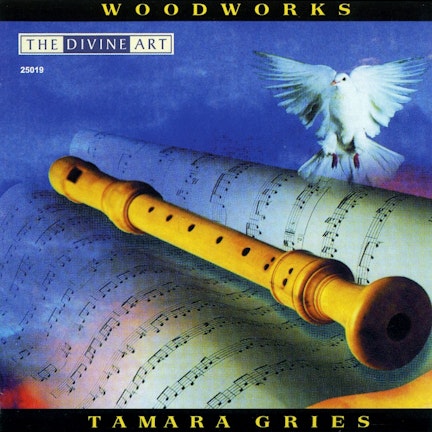
Gries, Tamara: Woodworks
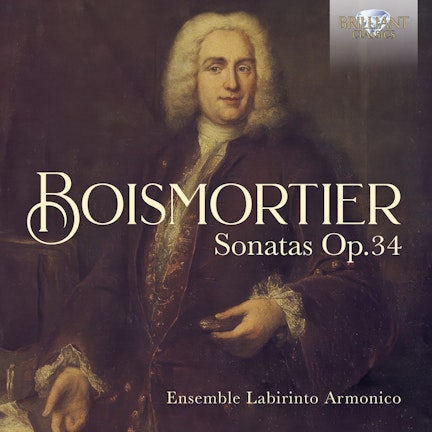
Boismortier: Sonatas, Op. 34
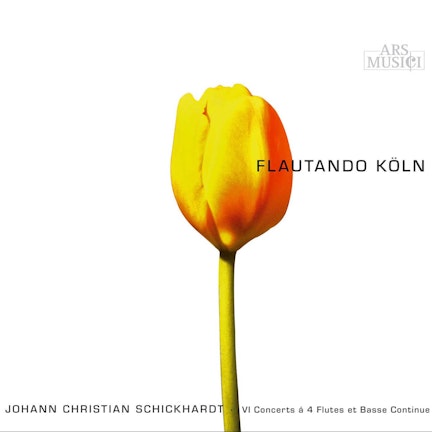
Schickhardt: VI Concerts Á 4 Flutes Et Basse Continue
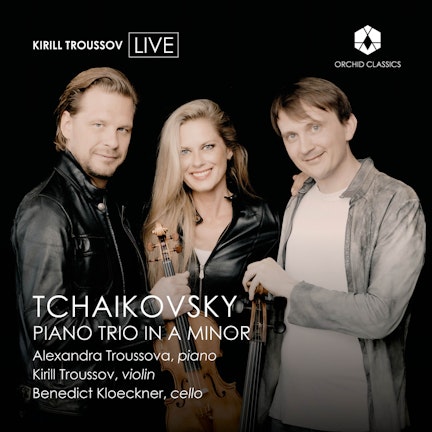
Tchaikovsky Piano Trio in A Minor
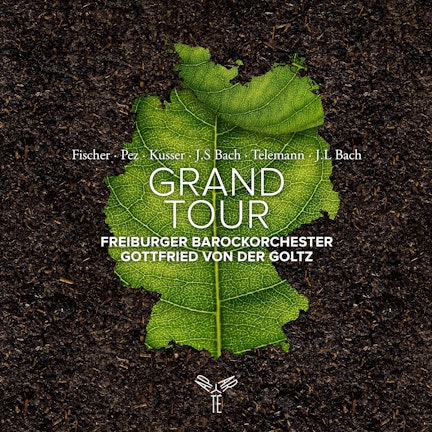
Grand Tour
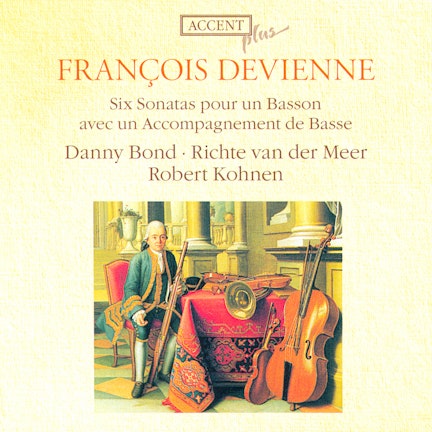
Devienne: Bassoon Sonatas Nos. 1-6
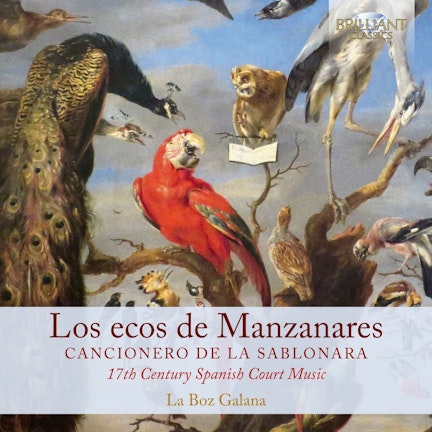
Los ecos de Manzanares: Cancionero de la sablonara
Johann Christian Schickhardt: Six Sonatas op. 22
The Organ at European Courts
Tessarini: Violin Sonatas
Biber & Biber
Viviani: Geistliche Motetten & Instrumentalmusik
Bodinus, S.: Trio Sonatas Nos. 1-6 From Musikalischen Divertissements, Part Iv