Claudio Merulo, a renowned organist in Venice and at the Farnese court, built a small octave-sounding positive organ for his personal use, which is still preserved.
Album & Artwork
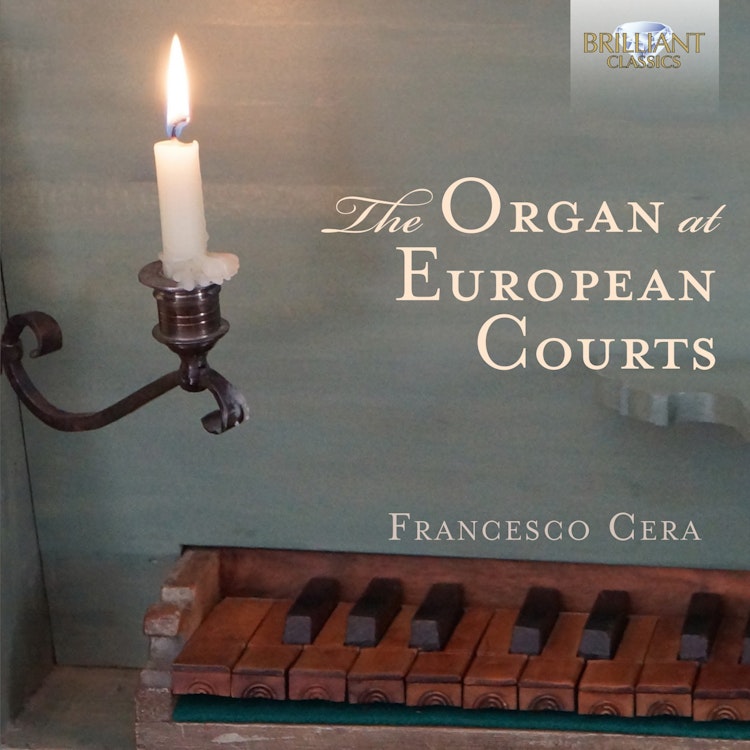
This album aims to present an unusual perspective on organ music by focusing on the secular repertoire performed by organists at royal courts and for noble families across five nations.
Composition History
The earliest organ music printed in Italy was Andrea Antico's 'Frottole intabulate da sonare organi' from 1517, containing elaborations of secular vocal pieces for organ.
Instruments
Some historical court organs featured pipes made of unusual materials like ivory, silver, alabaster, and parchment.
Historical Context
Small organs were commonly used in noble mansions during the Renaissance and early Baroque periods for secular music, contrasting with their usual association with church music.
Instruments
The 18th-century positive organ on this recording is an 'organo ottavino,' sounding an octave higher than larger church organs, valued for its lively sound and portability.
Instruments
Many court organs were richly decorated with carvings, paintings, and inlays of wood, ivory, and turtle-shell, sometimes combined with a spinet.
You might also enjoy...
Concertos for Baroque Lute (Fasch, Hagen, Kohaut, Kleinknecht)
Dixit Dominus - Händel, Lotti
Chamber Music (Baroque) - Falconieri, A. / Merula, T. / Cabanilles, J. / Storace, B. / Castello, D. / Marais, M. (Folias Festivals)
Cypriot Vespers
Opera Viva
Venice and Beyond: Concerti da Camera & Sonate Concertate for Woodwind Instruments
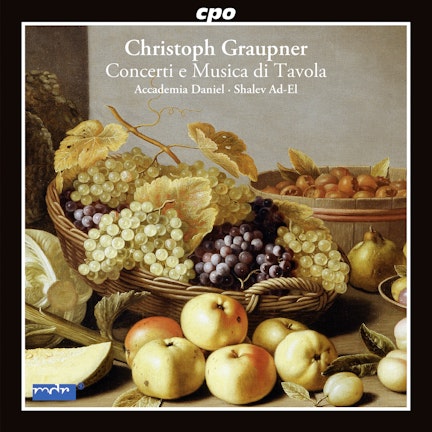
Graupner: Concerti e Musica di tavola
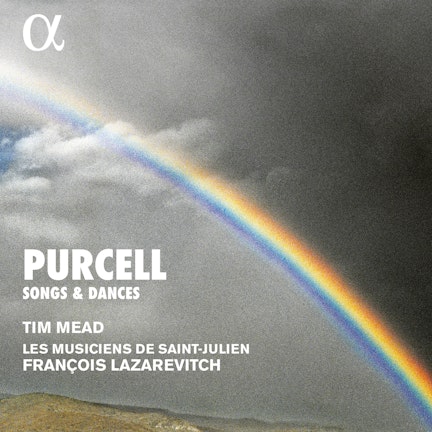
Purcell: Songs & Dances
Buxtehude: Cantatas & Sonatas
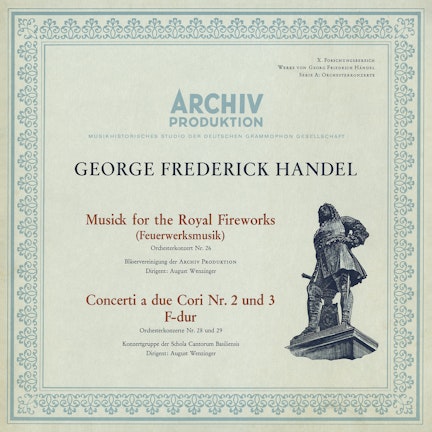
Handel: Music For The Royal Fireworks, HWV 351; Concerto a due cori No.2, HWV 333; Concerto a due cori No.3, HWV 334