The Trauerode BWV 198 was commissioned by wealthy Leipzig student Hans Carl von Kirchbach to commemorate Christiane Eberhardine, Electress of Saxony, who was revered as 'Saxony's Pillar of Prayer' for remaining Lutheran.
Historical Context
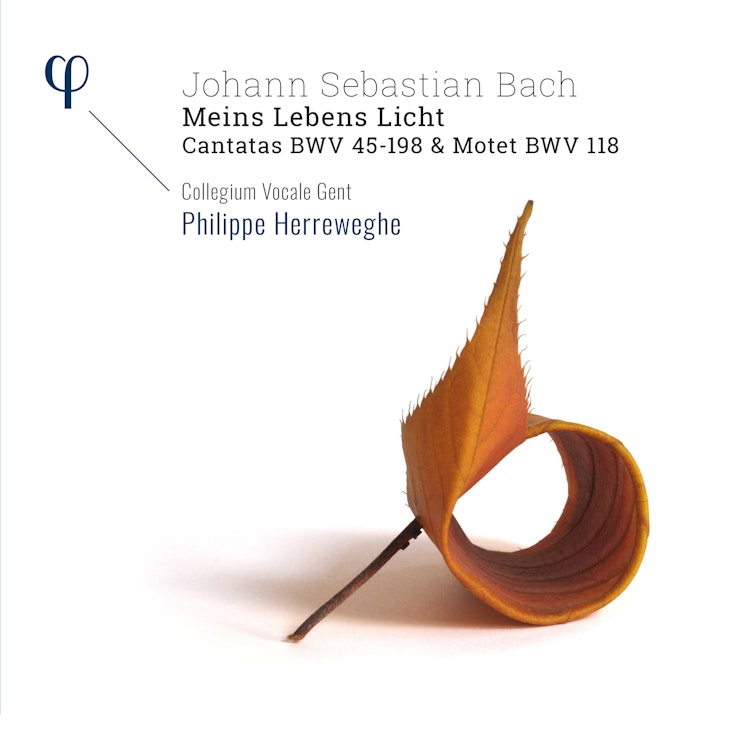
Motet BWV 118 was likely composed for the funeral of a prominent Leipzig personality, as its associated hymn portrays humankind as temporary visitors on earth.
Instruments
The Trauerode BWV 198 features a uniquely varied range of tone colours, blending traditional 'calm mourning music' instruments like recorders and violas da gamba with newer 'galant' style instruments such as transverse flute, oboe d'amore, and lute.
Compositional Technique
In Cantata BWV 45, Bach generated the entire opening chorus from a single theme, conveying a sense of internal unity despite its variety.
Instruments
The earlier score of Motet BWV 118, from around 1736, features an instrumentation exclusively of wind instruments, including cornett, trombones, and two 'litui' (high-pitched horns), suitable for open-air performance.
Composition History
Motet BWV 118, which Bach himself called a 'Motetto', is a chorale arrangement of Martin Brehm's 1608 hymn 'Herr Jesu Christ, mein's Lebens Licht'.
Cultural Impact
Bach considered the Trauerode BWV 198 such a success that he reused its choruses and arias in 1731 as the framework for his St Mark Passion, of which only the text has survived.
You might also enjoy...
Bach, J.S.: Magnificat - A Bach Christmas
Bach Family (Sacred Music)
Bach: Magnificat in E-Flat Major & Missa in F Major
Pachelbel's Canon & Other Baroque Favourites
C.P.E. Bach: Der Frühling
Bach Bachianas: Music By The Bach Family
Baroque - The Essentials
Bach: Jauchzet & Lobet
Gloria
Jauchzet Gott
Schutz: German Requiem / Seven Last Words of Christ