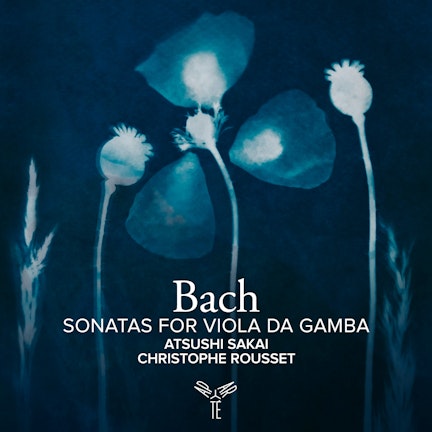
The first two viola da gamba sonatas (BWV 1027, 1028) use the Italian sonata da chiesa structure in four movements (slow-fast-slow-fast).
Composition History
Musicology has largely revised the belief that Johann Sebastian Bach's chamber music originated mostly from his Köthen period (1717-1723), now dating many works to his Leipzig years (1723-1750).
Compositional Technique
Bach's arrangement of parts in these sonatas, with the harpsichord dividing extreme voices and the viola da gamba covering intermediate registers, allows for a denser and more elaborate contrapuntal texture.
Composition History
The three sonatas for viola da gamba and 'obbligato' harpsichord (BWV 1027, 1028, 1029) are now assigned to the period 1736-1741, based on clues like watermarks and stylistic considerations.
Composition History
The four Duetti for keyboard (BWV 802-805) are found as an appendix to the third part of Bach's Clavier-Übung (1739), which contains preludes on catechism hymns for organ.
Performer Biography
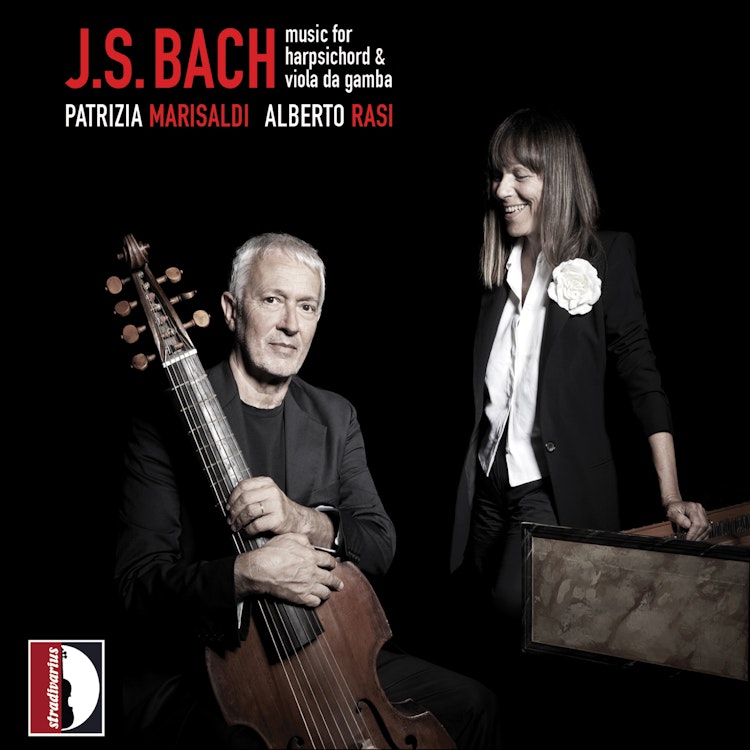
Patrizia Marisaldi, the harpsichordist, studied with Emilia Fadini in Milan and Ton Koopman in Amsterdam, and has performed in major European concert halls.
Compositional Technique
The Sonata BWV 1029 has a three-movement structure (fast-slow-fast), similar to the Sonata auf Concertenart (sonata in the form of a concerto) described by theorist Johann Adolf Scheibe in 1740.
You might also enjoy...
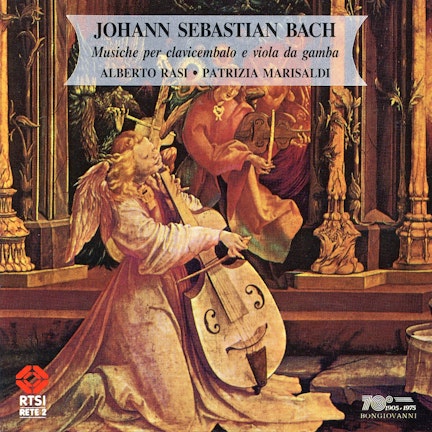
Bach: Musiche per Clavicembalo e Viola da Gamba
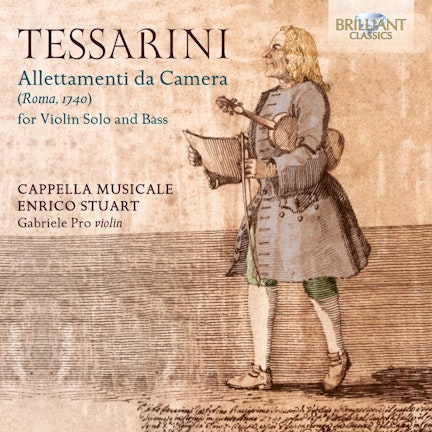
Tessarini: Allettamenti da Camera for Violin Solo and Bass
Bach: The Art of Fugue
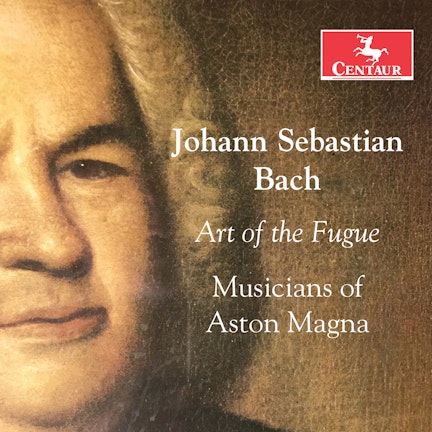
J.S. Bach: The Art of Fugue, BWV 1080 (Live)
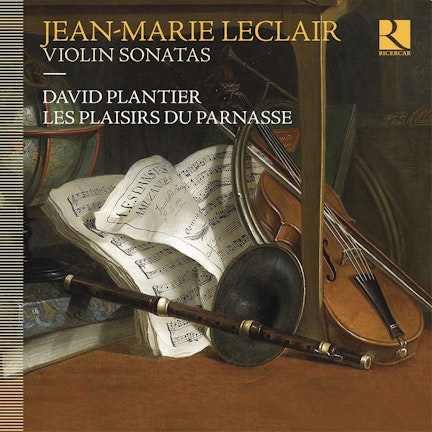
Leclair: Violin Sonatas
Bach - Sonatas for Viola da gamba and obbliggato Harpsichord
Viola Da Gamba Sonatas
Bach: Sonatas for Viola da gamba and Harpsichord, BWV 1027-1029, 1019
Schmelzer: Baroque World Theatre
Viola Da Gamba Recital: Tapio, Markus - Bach, C.P.E. / Bach, J.S.
J.S. Bach: Sonatas for Viola da Gamba
Matteis: False Consonances of Melancholy (Alpha Collection)