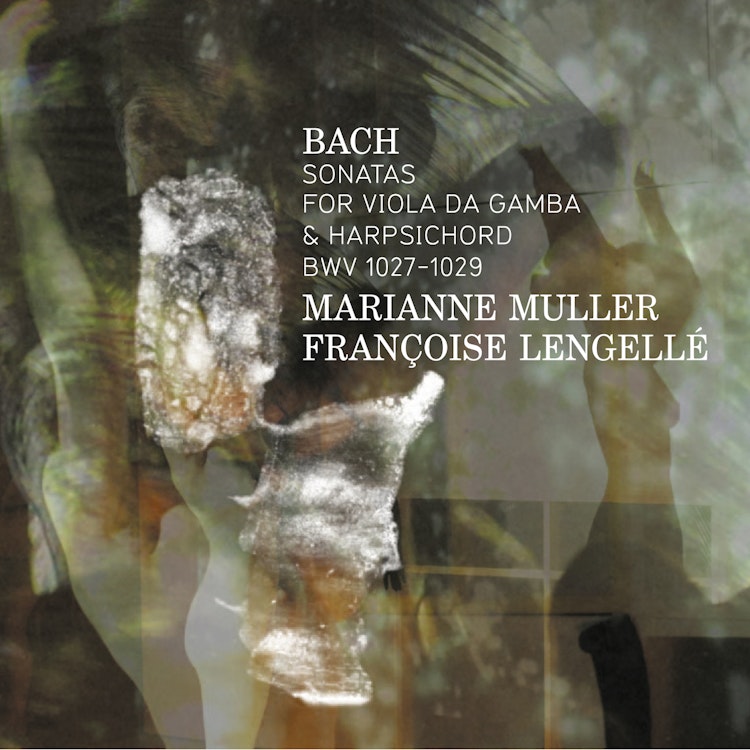
Bach: Sonatas for Viola da gamba and Harpsichord, BWV 1027-1029, 1019
3/4/2014, 16 Tracks, 1:03:42
Featuring
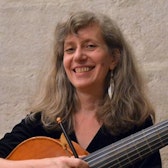
Marianne Muller
Françoise Lengellé
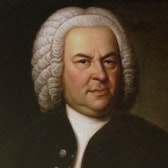
Johann Sebastian Bach
Did you know?
1/7
Performer Biography
Françoise Lengellé, a harpsichordist, won a prize at the Bruges International Harpsichord Competition in 1977, where she also received the Audience Prize.
Instruments
The harpsichord used in this recording is a 2005 copy by David Ley of a 1739 German instrument by Johann Heinrich Gräbner, a 'court organ builder' in Dresden.
Compositional Technique
Bach's sonatas for viola da gamba and harpsichord achieve a perfect balance, allowing the harpsichord to engage in dialogue and play two parts, creating a dense contrapuntal texture rather than a simple continuo.
Historical Context
The viola da gamba, an aristocratic instrument, gradually disappeared in the first half of the 18th century, yet it was during this period that it received some of its greatest masterpieces.
Performer Biography
Marianne Muller, a viola da gamba player, is a participant in and witness to the Baroque revival, and founded the ensemble Spirale in 2005, dedicated to the solo bass viol repertoire.
Composition History
Bach likely composed many works featuring the viola da gamba during his five years as Capellmeister and Director musices at the court of Cöthen, where Prince Leopold, a keen music-lover, was himself a gambist.
Composer's Artistic Vision
J.S. Bach was particularly fond of the viola da gamba, loving its inflections that are so close to the human voice and apt for expressing both gentleness and grief.
You might also enjoy...
Bach: Musiche per Clavicembalo e Viola da Gamba
Bach: Music for Harpsichord & Viola da gamba
Bach: Sonatas, Chorales & Trios
Vater unser. German Sacred Cantatas
Wilhelm Friedemann Bach: Claviermusik I
Bach: Keyboard Music, Vol. 1
Lamento
A & D Scarlatti - Concerti e Sinfonie
Viola Da Gamba Recital: Tapio, Markus - Bach, C.P.E. / Bach, J.S.