The Sonata in G major (BWV 1027) also exists in an earlier version for two flutes and thoroughbass (BWV 1039), suggesting Bach's flexibility in instrumentation.
Compositional Technique
Bach's three Sonatas for viola da gamba and obbligato harpsichord are notable for their integrative concept, where the harpsichord's right hand plays the second upper voice and the left hand plays the bass, creating a dense polyphonic texture.
Historical Context
The viola da gamba, after 1700, was primarily used in sacred music with programmatic intent, symbolizing transience and sorrow, similar to its depiction in Baroque still-life paintings.
Interpretation
The performers, Paolo Pandolfo (viola da gamba) and Markus Hünninger (harpsichord), allowed themselves interpretative liberties, such as interchanging voices and repeating the Adagio from the Second Sonata, to enhance musical enjoyment and adhere to 18th-century performance practice.
Composer's Artistic Vision
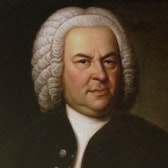
Johann Sebastian Bach, a virtuoso harpsichordist and organist, was particularly interested in elevating the keyboard instrument from its traditional role as a mere accompanying instrument.
Critical Reception
Johann Adolph Scheibe, a contemporary critic, included the viola da gamba in 1773 among the "pleasant instruments which are going out of fashion," highlighting its declining popularity.
Interpretation
Paolo Pandolfo, the viola da gamba performer, has spent thirty years associating with Bach's Sonatas to free himself from a "quarrelsome attitude" between the instruments.
You might also enjoy...
Bach: Sonatas for Viola da Gamba and Harpsichord
Bach, J.S.: Viola Da Gamba Sonatas, Bwv 1027-1029 / Trios
J.S. Bach: Works for Cello & Harpsichord (Live)
Yo-Yo Ma Plays Bach
Leclair: Flute Sonatas (Complete)
Telemann: Overtures - Du angenehmer Weiberorden - Trauer-Music eines kunsterfahrenen
Bach: Sonatas for Viola Da Gamba
J.S. Bach: Musikalisches Opfer
Le Roi s'amuse - Music for the King's Pleasure
Telemann: Complete Violin Concertos, Vol. 6
J.S. Bach: Brandenburg Concerto No. 6 in B-Flat Major, BWV 1051; Sonata for Viola da Gamba in G Minor, BWV 1029; Violin Sonata in F Minor, BWV 1018